
Blog / Honda

Lease or Finance a Honda in NJ: Choosing What Fits Your Life

Honda

Find the Smartest Way to Drive Your Next Honda in NJ

Choosing how to pay for your next Honda is just as important as choosing the model and color. The way you structure your payments affects your monthly budget, how long you keep the vehicle, and what your options are down the road. For many New Jersey drivers, the big question is simple: should you lease or choose Honda financing in NJ?

Both paths can work well, but they fit different lifestyles. Here, we will break down leasing and traditional financing in clear language, compare how they feel in real life, and share some questions to think about before you visit the dealership. The goal is to help you walk in feeling prepared, confident, and ready to choose what fits your life.

As the weather warms up and the roads fill with day trips, beach runs, school events, and summer commutes, it is a natural time to think about a new vehicle. Whether you are planning weekend drives or just want something safer and more comfortable for daily use, understanding your options now can make every season on New Jersey roads a lot easier.

How Honda Leasing Works for New Jersey Drivers

A lease is like a long-term rental with structure and guidelines. You choose a new Honda, agree on a set term, usually a few years, and drive it within a specific mileage limit. You pay for the portion of the vehicle you use during that time, along with agreed fees and taxes.

Leasing can help many NJ drivers enjoy a new Honda with a payment that is often lower than a typical loan payment for the same vehicle. Because lease terms are usually shorter, you are often driving a newer model that is within the factory warranty period.

Some common benefits of leasing include:

  • Often lower monthly payments compared to many loans 
  • Chance to upgrade into a new Honda every few years 
  • Regular access to the latest tech and safety features 
  • Typically driving a vehicle covered by a factory warranty 

Leasing can be a strong fit if:

  • You have a predictable commute and know your yearly mileage 
  • You want advanced safety and driver-assist features for family trips 
  • You like having a fresh, late-model vehicle for shore drives and holiday travel 

With a lease, it is important to stay within the mileage you choose at the start and to keep up with regular maintenance. At the end of the term, you return the vehicle and decide if you want to start another lease or explore other options.

What to Know About Honda Financing in NJ

Traditional Honda financing in NJ means taking out an auto loan so you can pay for the vehicle over time and eventually own it outright. You make monthly payments to pay down the amount you borrowed, plus interest, until the loan is finished.

When you finance, you are working toward full ownership. There are no mileage limits, so you can drive as far as you like without worrying about overage fees. You also have more freedom to keep the vehicle as long as you want once the loan is paid.

Key benefits of financing include:

  • No mileage limits or lease wear restrictions 
  • Freedom to keep your Honda long after the loan ends 
  • Flexibility to customize or personalize your vehicle 

Your monthly payment and total cost are affected by:

  • Credit score, which can influence your loan terms 
  • Down payment amount, which can lower the amount financed 
  • Loan length, which changes both monthly payment size and total interest paid 
  • Taxes and fees in New Jersey, which are part of your overall cost 

Financing can be a good choice if you like to hold on to vehicles for many years, drive a lot of miles, or want long-term cost control once your loan is finished.

Lease vs. Finance: Costs, Flexibility, and Lifestyle

Choosing between a lease and Honda financing in NJ often comes down to how you use your vehicle and how you feel about long-term ownership.

Over a period of three to six years, leasing may mean:

  • Lower monthly payments while you are in a lease cycle 
  • Regularly moving into a newer Honda every time you start a new lease 
  • Never truly owning the vehicle unless you choose a lease-end buyout 

Financing over that same time frame may mean:

  • Monthly payments that can be higher than many lease payments 
  • Full ownership at the end of the loan if you keep up with payments 
  • The ability to drive payment-free once the loan is satisfied 

Flexibility also looks different:

  • Lease-end options can include returning the vehicle, buying it, or starting a new lease 
  • Financing gives you long-term freedom to sell, trade, or keep the Honda as long as you like 

Different New Jersey situations can point you in different directions:

  • Multi-car families might lease one vehicle for daily use and finance another they plan to keep longer 
  • First-time buyers may like lower lease payments, while others prefer to build equity through financing 
  • Long-distance commuters often lean toward financing to avoid mileage concerns 
  • Drivers who think they might move out of state or change jobs may want the flexibility of full ownership 

How Clinton Honda Personalizes Your Payment Plan

At Clinton Honda, we know that a payment plan is not one-size-fits-all. Our sales and finance teams talk with you about how you actually drive, what your budget feels comfortable, and how long you think you might want to keep your next Honda.

We take time to:

  • Review your daily commute, weekend driving, and travel habits 
  • Look at your credit profile and down payment plans 
  • Compare sample lease and finance terms side by side 

There are often Honda specials and seasonal incentives that can influence whether leasing or financing feels better for your budget. Certified pre-owned options can also provide another path for both loans and certain leasing choices, with the added confidence of inspection and warranty coverage from Honda.

Our goal is to lay out estimated monthly payments, likely mileage needs, and routine maintenance expectations in clear terms. That way, you are less likely to run into surprises later.

Key Questions to Ask Before You Sign

Before you make a decision, it helps to think through a few simple but important questions. Being honest with yourself about your habits and plans can save you stress later.

Ask yourself:

  • How many miles do I usually drive each year? 
  • How long do I normally keep my vehicles? 
  • What monthly payment range truly feels comfortable? 
  • Do I expect any major life changes in the next few years? 

When you talk with a finance specialist, it is also smart to ask about:

  • Lease-end fees and how extra wear and tear is judged 
  • Mileage options and what happens if you go over your limit 
  • GAP coverage and how it works with both leases and loans 
  • Extended warranty options, especially if you plan to keep the vehicle past the basic warranty 

To make your visit smoother, bring:

  • Recent pay stubs or proof of income 
  • Information about any trade-in you might have 
  • A clear budget range in mind, including what you are comfortable putting down 

Drive Home Confident with the Right Honda Plan

Leasing and Honda financing in NJ both offer clear paths to a new Honda, but they fit different kinds of drivers. Leasing can be appealing if you like lower payments and new vehicles every few years, while financing can be better if you want to own your Honda, drive without mileage limits, and keep it for the long haul.

At Clinton Honda, we focus on helping you understand how each option fits your budget, driving habits, and long-term goals. When you choose a plan that matches your life, every season on New Jersey roads feels a little easier, from weekday commutes to weekend adventures.

Drive Home Your Ideal Honda With Flexible Financing Options

At Clinton Honda, we make it straightforward to align your budget with the right vehicle through personalized Honda financing in NJ. Our team is ready to walk you through each step, answer your questions, and help you compare options clearly. If you would like to talk through details or schedule a visit, simply contact us and we will help you get started.
Posted in:

Related Posts

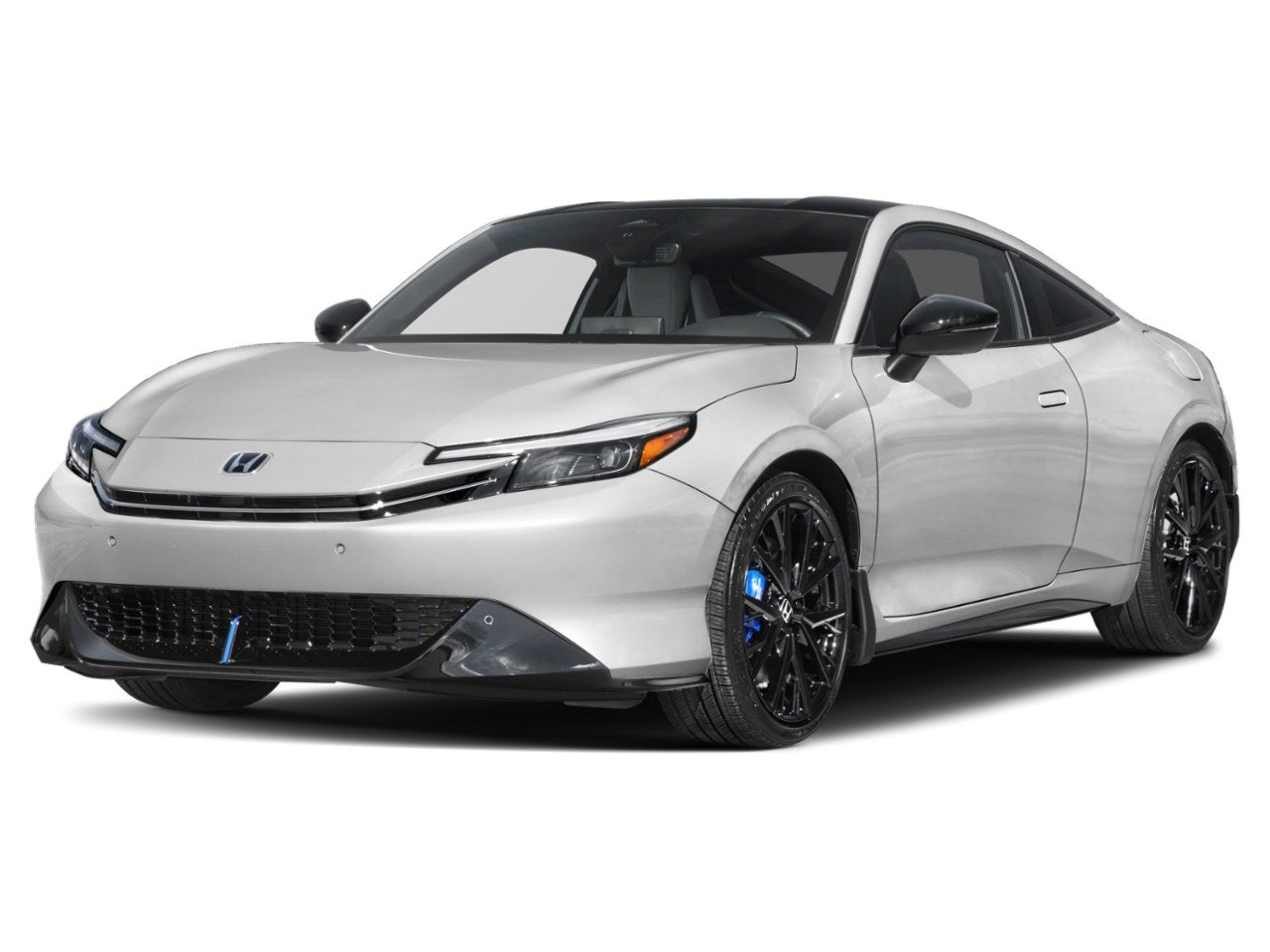
2026 Honda Prelude Hybrid Two-Tone front three-quarter exterior

What We Know So Far About the 2027 Honda Prelude's Return

THE SHORT ANSWER Honda has confirmed the Prelude returns as a hybrid coupe built on Civic underpinnings, using a two-motor hybrid system similar to the Civic Hybrid. Treat anything past that, including pricing, trims and performance numbers, as unconfirmed until Honda announces it, and plan your next steps around the facts you have. You're stopped at a light on Route 31, scrolling a video that swears the Prelude is coming back with a giant turbo and a stick shift. By the time the light turns green, you've seen two more clips that say the opposite. We hear some version of that story at Clinton Honda in Annandale all the time, so let's walk through what Honda has actually said, what's still guesswork, and what you can do at each stage between now and the day one rolls onto our lot. IN THIS POST Stage One: What Honda Has Confirmed Stage Two: Understanding the Hybrid Powertrain Stage Three: Styling Cues From the Concept Stage Four: Sorting News From Noise as Updates Roll In Stage Five: When to Expect It at Clinton Honda Stage Six: What to Do While You Wait Stage Seven: When It Arrives, Drive It Before You Decide Key takeaways Start with the short list, because it's shorter than the internet makes it look. Honda has said the Prelude is coming back as a hybrid coupe that rides on Civic underpinnings. Power comes from a two-motor hybrid system in the same family as the one in the Civic Hybrid. That foundation tells you a lot. A Civic-based platform points to a compact, front-drive layout and a chassis Honda's engineers already know how to tune for a sharp, connected feel. Going hybrid means this Prelude is built for smooth, responsive everyday driving rather than chasing the old high-revving formula. What hasn't come from Honda yet Price, trim names, option packages and final performance numbers haven't come from Honda. When a video quotes exact figures, it's someone's guess or a number borrowed from another market. Treat Honda's own announcements as the line between fact and rumor, and you won't get your hopes pinned on something that changes later. We'd rather you walk in knowing a little less but knowing it accurately. That's a better place to shop from than a pile of contradicting clips. Stage Two: Understanding the Hybrid Powertrain If you've driven a Civic Hybrid, you already have a feel for what's under the Prelude's hood. Honda's two-motor setup works differently from a gas engine bolted to a conventional transmission. Most of the time an electric motor drives the wheels while the gas engine works mainly as a generator, and at steady highway speeds the engine can connect directly to the wheels. What that means on your drive Picture pulling out of a shopping center onto Route 22, or merging onto Route 78 near Annandale. Electric motors deliver their push right away, so that first squeeze of the pedal feels quick and immediate instead of waiting on a downshift. In stop-and-go traffic, the car leans on its electric side, which tends to feel quiet and smooth. Why a sporty coupe went hybrid Some longtime fans hear the word hybrid and worry the fun got engineered out. Honda's pitch is the opposite: instant response, a planted chassis borrowed from the Civic, and tuning aimed at drivers who enjoy a winding road. There's also software Honda has discussed that makes the hybrid feel more engaging when you push it. You'll judge the final result best from the driver's seat, not from a spec sheet. Stage Three: Styling Cues From the Concept Honda showed the Prelude Concept at the Japan Mobility Show in 2023, and that car is the clearest preview of the production look. It's a low, wide two-door with a long hood, a fastback roofline and a clean body with very few creases. Up front, slim headlights give it a modern face that doesn't shout. Out back, a full-width taillight ties the rear together. Proportions do the heavy lifting here, since a coupe that sits low and wide looks planted even parked in your driveway. Concept versus showroom Concept cars nearly always change on the way to production. Mirrors grow, bumpers adjust for safety rules, wheels often shrink a size, and interior details get more practical. Use the concept as a sense of direction, not a promise down to the last trim piece. Overall shape and attitude usually survive that trip. If the concept's silhouette is what caught your eye, that's a reasonable thing to get excited about. Small details are where we'd hold off judgment until Honda shows the finished car. Stage Four: Sorting News From Noise as Updates Roll In Between now and launch, expect a steady drip of news. Here's the order details usually come out for a new Honda, and how much weight each deserves: Official reveal photos and press releases: solid, straight from Honda. Trim names and feature lists: reliable once Honda publishes them, though some features vary by market. Pricing: typically among the last details announced, often close to the on-sale date. Spy shots and leaked dealer paperwork: interesting, but easy to misread. Forum estimates: entertaining, rarely final. One quick test sorts most of it out. Ask where a claim came from. If the answer is Honda, take it seriously; if it's a friend of a friend, wait. We keep an eye on what Honda shares and pass it along when customers ask. Got a rumor you'd like checked? Reach out to our team and we'll tell you honestly whether it matches anything Honda has announced or still belongs in the speculation pile. Stage Five: When to Expect It at Clinton Honda Once Honda sets a launch date, the rollout to dealerships follows a familiar pattern. Early allocation tends to be limited, especially for an enthusiast model with this much buzz, and the first cars often go to drivers who've already told their dealer they're interested. Our part in the timeline We'll share arrival news as soon as Honda gives it to us, and we'll be straight with you about timing. Nobody here will promise a delivery date that Honda hasn't given us. We've won the DealerRater.com/Cars.com Consumer Satisfaction Award every year since 2015, and we were named the Cars.com NJ Honda Dealer of the Year for 2026. Those mean a lot to us, and they're a big reason we keep the process honest and simple, especially on a car people are this excited about. When Preludes start showing up, they'll appear in our new Honda inventory alongside the rest of the lineup. Checking there, or just letting us know you're interested, is the easiest way to stay in the loop. Stage Six: What to Do While You Wait Waiting doesn't have to mean sitting still. A few steps now can make the day the Prelude arrives a lot easier. Get your numbers in order If you're trading in your current car, know its value early. Our trade-in value tool gives you a starting point, and it's worth checking again closer to launch since values shift over time. Thinking about financing? Talking through options ahead of time helps you set a comfortable monthly budget. Approval and terms always depend on your credit and the lender, so nothing is settled until that review happens. Decide what matters to you Jot down your answers to a few questions: Is this your daily driver, or a weekend car for the back roads around Hunterdon County? Will you carry passengers in the back now and then, or is it mostly just you? How much does fuel economy weigh against pure driving feel? Those answers help you pick a trim quickly once Honda announces them, instead of deciding under pressure on the day. Where 1511 US-22 Annandale, NJ Call (908) 255-1985 KEY TAKEAWAYS Confirmed: a hybrid coupe on Civic underpinnings with a two-motor system like the Civic Hybrid's. Prices, trims and performance numbers floating around online are speculation until Honda announces them. Get your trade value and budget sorted now, then test drive the car once it arrives. FAQ Common questions Is the 2027 Honda Prelude confirmed to be a hybrid? Yes. Honda has confirmed the Prelude returns as a hybrid coupe built on Civic underpinnings, using a two-motor hybrid system similar to the one in the Civic Hybrid. Will the new Prelude have a manual transmission? Honda's two-motor hybrid system doesn't use a conventional multi-speed gearbox, so a traditional clutch-and-stick setup isn't part of how it works. Honda has talked about software that makes the hybrid feel more engaging when you drive it hard, and that's the piece to watch as more news comes out. Can I get on a list for a Prelude at Clinton Honda? Let us know you're interested and we'll reach out as Honda shares arrival details. We'll be honest about timing and won't promise a delivery date before Honda gives us one. How is the Prelude different from a Civic Hybrid? They share underpinnings and the same style of two-motor hybrid system. The Prelude is a two-door coupe with lower, sportier styling and a focus on driving feel, while the Civic Hybrid is the more practical everyday choice. Want to see it in person? Come by for a test drive, or browse what is on the lot right now. Schedule a test drive Browse new inventory Or call (908) 255-1985 · 1511 US-22, Annandale Or keep browsing Current offers Financing Value your trade Book service Contact us Used cars

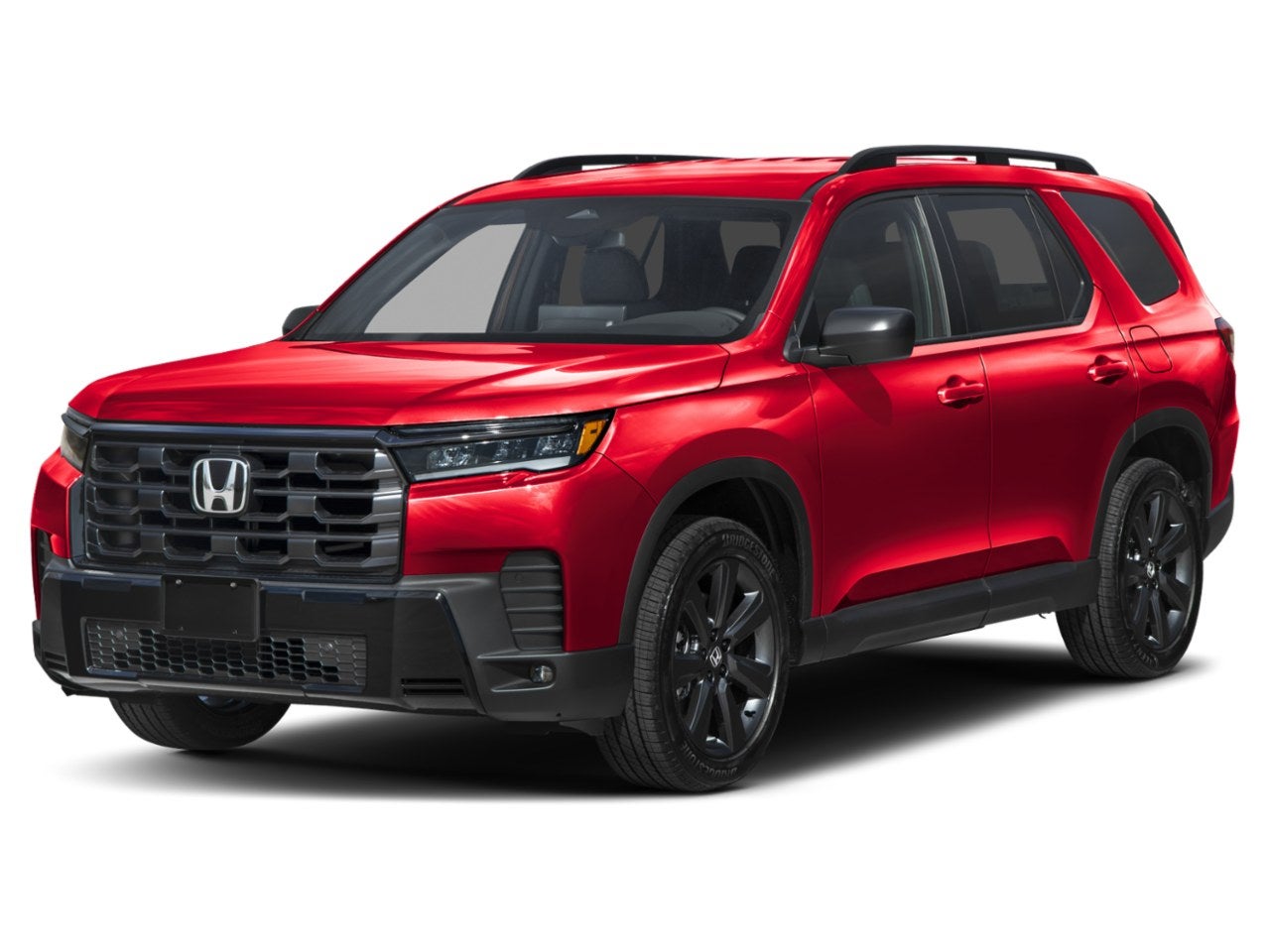
2026 Honda Pilot Sport (AWD) front three-quarter exterior

What It Really Costs to Own a Honda Pilot in Hunterdon County

THE SHORT ANSWER Owning a Honda Pilot in Hunterdon County costs about what you'd expect from any three-row SUV once you add up fuel, insurance, routine maintenance and depreciation. Honda's reliability helps keep the long-term numbers predictable. Your driving habits, insurance choices and financing decide most of the rest. A lot of families shopping for a Pilot compare monthly payments and stop there, then get caught off guard by the insurance quote or the first set of replacement tires. At Clinton Honda in Annandale, we'd rather you see the whole picture before you sign anything. Here's how fuel, insurance, maintenance, depreciation and financing actually add up for a Pilot driven around Hunterdon County, and where you can save on each one. IN THIS POST The Mistake That Skews the Math Fuel Costs for a Three-Row SUV Insurance Factors in Hunterdon County Routine Maintenance Costs Tires, Brakes and Other Wear Items Depreciation Over Time Financing: The Cost Hiding in the Payment How to Keep Your Pilot Costs Down Key takeaways The Mistake That Skews the Math That monthly payment feels like the whole story, and it's the easiest thing to compare between a Pilot and whatever else is on your list. But it only covers the part you see on paper. Plenty of what you'll spend never shows up on a loan statement at all. Total cost of ownership is the real picture. It's fuel for the school run and the commute, insurance on a newer three-row SUV, oil changes and tires, interest if you finance, and the value the Pilot loses before you sell or trade it. Two SUVs with similar payments can land in very different places once those pieces are added up. The pieces we'll walk through Fuel, based on how and where you drive Insurance, shaped by your record, your ZIP code and your coverage choices Routine maintenance, plus wear items like tires and brakes Depreciation, the cost you never write a check for Financing, which can quietly cost more than any repair None of these is fixed. You control more of them than you'd think, and that's where the real savings hide. Fuel Costs for a Three-Row SUV A Pilot is a big, capable family hauler, and it drinks fuel like one. You're moving more weight and pushing a larger shape through the air than you would in the Honda CR-V, so expect to fill up more often than a compact crossover owner. Next to other three-row SUVs, though, it sits right in the mix. How you drive in Hunterdon County matters more than the window sticker. Long, steady stretches on I-78 or Route 31 are kind to mileage. Short hops around Clinton, Flemington and Lebanon, with cold starts and stop signs, are not, and winter makes it worse because engines take longer to warm up. Habits that cost you at the pump Hard launches from lights and cruising well above the flow of traffic Leaving a roof box or bike rack on all season Running tires below the pressure on the door-jamb sticker Hauling around sports gear you won't need that week Gas prices swing with the season and the station, so your true cost comes from your own driving. Track a month of fill-ups and you'll have a better estimate than any brochure can give you. Insurance Factors in Hunterdon County New Jersey insurance has a reputation for being pricey, and part of that comes down to how coverage works here. It's a no-fault state, so your policy includes personal injury protection, and the options you pick on that coverage move your premium. Plenty of your rate also depends on things that have nothing to do with the Pilot itself. What insurers weigh Your driving record and claims history Your ZIP code, including local theft and accident patterns Who's on the policy, especially teen drivers Your deductibles and whether you carry collision and comprehensive How many miles you drive and what you use the vehicle for Hunterdon has a lot of rural roads and a lot of deer. Comprehensive coverage is what usually pays when one steps out in front of you on a back road at dusk, so it's worth keeping even if you trim elsewhere. A Pilot's standard driver-assist and safety tech can help on the insurance side, but discounts vary from one company to the next. Get quotes on the specific trim you're considering before you buy, not after. Comparing three or four insurers often reveals a wider spread than people expect. Routine Maintenance Costs Here's where a Pilot tends to treat its owners well. Honda's reputation for reliability shows up as predictable maintenance rather than surprise repairs, and most of what you'll pay for in the early years is the routine stuff. How the Pilot tells you service is due Instead of a fixed schedule taped to the windshield, the Pilot uses Honda's Maintenance Minder. It tracks how you actually drive and shows a code on the dash when oil, filters or other items need attention. Lots of short winter trips may bring it up sooner, while long highway runs can stretch it out. What a typical visit covers Oil and filter changes Tire rotations Brake and fluid inspections Cabin and engine air filters as they come due Following the Minder keeps small costs small. Skipping an oil change to save a little now is how people end up with bigger bills later. When a code pops up, you can book service with us online and plan the visit around your week instead of waiting until something feels off. Tires, Brakes and Other Wear Items Scheduled service is only half the maintenance story. Some parts simply wear out with use, and on a heavier three-row SUV they deserve a line in your budget. Tires are the big one. A Pilot rides on larger tires than a sedan, and they cost more to replace. Hunterdon drivers also face a real decision: all-seasons year-round, or a dedicated winter set for the hills and back roads from December into March. Two sets cost more up front, but both last longer because neither is on the vehicle all year. Other things to set money aside for Brake pads and rotors, which wear faster with a full car and lots of stop-and-go Wiper blades, which take a beating from salt and ice The battery, which cold mornings test hard Alignment, especially after a rough pothole season Road salt brings its own costs. Rinsing the underside through the winter helps protect brake lines and hardware from corrosion. If you like handling small jobs yourself, genuine wiper blades and filters from our parts department keep it simple. Depreciation Over Time Depreciation is the expense most people forget, because it never arrives as a bill. It's the gap between what you pay for the Pilot and what it's worth when you sell or trade it. For many owners, it ends up being one of the largest costs of the whole ownership stretch. Hondas have generally held their value well. Three-row family SUVs also stay in steady demand around here, since there's always another family that needs the extra seats, and that works in your favor when it's time to move on. What helps a Pilot hold its value Complete service records, ideally all in one place Fixing dents, curb rash and interior wear before they pile up Reasonable mileage for its age A popular trim and color the next buyer actually wants You can also sidestep part of depreciation by letting someone else absorb the steepest early drop. A certified pre-owned Pilot has already taken that first hit and comes backed by Honda's certified program. Browse our certified pre-owned Pilots and see how the math compares to new. Financing: The Cost Hiding in the Payment Interest doesn't feel like an ownership cost, but it is one. A longer loan can shrink your monthly payment while raising what you pay overall, and on a bigger purchase like a three-row SUV, that difference adds up fast. What shapes your financing cost Your credit history, which affects the rates lenders offer Loan length, since more months usually mean more total interest Your down payment, including any trade-in equity How an outside pre-approval stacks up against what the dealer can arrange Rates and approval depend on your credit and the lender, so nobody can promise them up front, and an honest dealer won't try. What we can do is lay out a few options side by side so you see the total cost, not just the monthly number. Our financing team is happy to walk through it with you. A bigger down payment and a shorter term are the two simplest levers. Pulling one or both usually saves more over the life of the loan than haggling over a small difference in the vehicle's price. How to Keep Your Pilot Costs Down Pull it all together, and owning a Pilot here looks a lot like owning any other three-row SUV, with Honda's reliability keeping the long-term numbers steady. Your savings come from a handful of decisions you make early and habits you keep up. Before you buy Drive the trim you want on roads you actually use Get insurance quotes on that exact trim Compare new, certified and gently used Pilots Take a few minutes to value your trade so you know your equity After you buy Follow the Maintenance Minder and keep your records Check tire pressure monthly and rotate on schedule Rinse off winter salt Shop your insurance again at every renewal We've won the DealerRater.com/Cars.com Consumer Satisfaction Award every year since 2015. We were also named the Cars.com NJ Honda Dealer of the Year for 2026. Mostly, though, we just like helping families land on a choice that still feels good years later. Stop by in Annandale and we'll talk through your numbers, no pressure. Where 1511 US-22 Annandale, NJ Call (908) 255-1985 KEY TAKEAWAYS Judge a Pilot by total cost of ownership: fuel, insurance, maintenance, depreciation and interest, not just the monthly payment. Hunterdon driving shapes your costs: short winter trips, deer on back roads and road salt all show up in the budget. Following the Maintenance Minder, shopping insurance and comparing loan terms are the easiest ways to save. FAQ Common questions Is a Honda Pilot more expensive to insure than a smaller SUV? Often a bit, since it's a larger vehicle that costs more to repair or replace, but your record, ZIP code, drivers on the policy and deductibles usually matter more. Quote the exact trim with a few insurers before you buy to see where you land. Do I have to service my Pilot at a Honda dealer to keep the warranty? No. Federal law lets you have maintenance done wherever you choose, as long as it's done properly and on time and you keep records. Many owners still come to us because our technicians work on Hondas every day and we use genuine parts. Are winter tires worth it for driving around Hunterdon County? For a lot of local families, yes. The hills, back roads and early-morning ice here are where winter tires make a real difference in stopping and turning, and because you're splitting the year between two sets, each one lasts longer. Want to see it in person? Come by for a test drive, or browse what is on the lot right now. Schedule a test drive Browse new inventory Or call (908) 255-1985 · 1511 US-22, Annandale Or keep browsing Current offers Financing Value your trade Book service Contact us Used cars

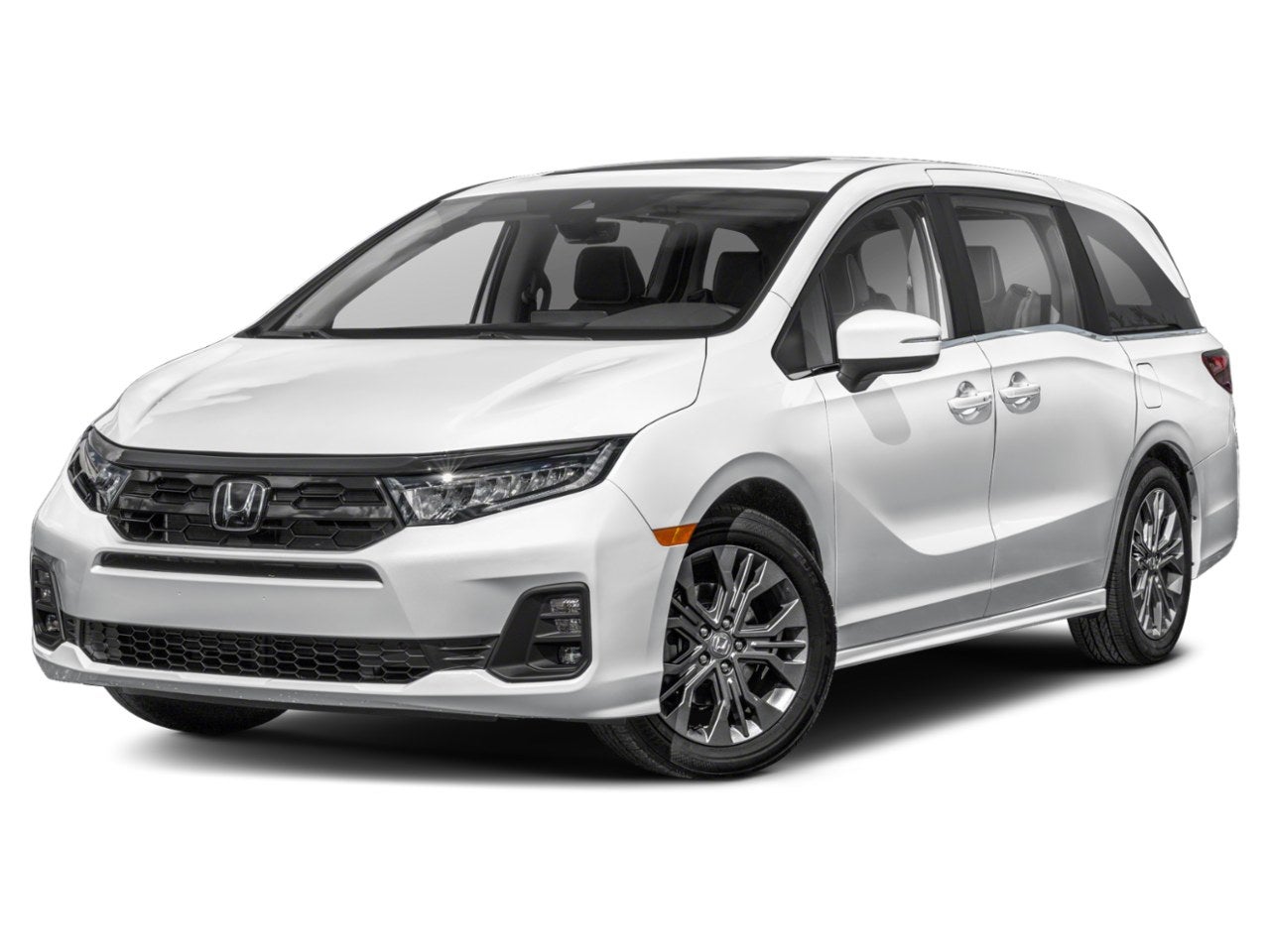
2026 Honda Odyssey Touring (2WD) front three-quarter exterior

Signs Your Honda Odyssey Needs New Tires Before Fall Rains Hit Route 78

THE SHORT ANSWER Shallow tread, wear bars showing flush with the tread, vibration at highway speed, or a pull on wet roads all mean your Odyssey needs new tires. Replace them before fall rain gets heavy, because worn tread loses wet grip long before it looks bald. If your Odyssey's tread passes the quarter test, the wear bars are showing, the van shakes at highway speed, or it drifts on wet pavement, it's time for new tires. Get them replaced before fall rain settles in. Here at Clinton Honda in Annandale, we see the same pattern every autumn: families who were fine on dry summer roads find out on a soaked stretch of Route 78 that their tires have less grip than they thought. Below are the signs to look for, what each one means, and what we'd do about it. IN THIS POST Checking Tread Depth Why Wet Traction Matters in a Minivan Wear Bars Flush With the Tread Signs of Uneven Wear Vibration at Highway Speed Pulling or Sliding on Wet Pavement Scheduling a Tire Check at Clinton Honda Key takeaways Checking Tread Depth Shallow tread is the most common sign, and you can check it yourself in under five minutes. Tread is measured in 32nds of an inch. Most states set the legal minimum at 2/32, but wet grip fades well before that point, which is why many tire experts suggest replacing at 4/32 if you drive in heavy rain. The coin tests Penny: Put Lincoln's head into a groove, head down. If you can see the top of his head, the tire is at or near the legal limit and overdue. Quarter: Do the same with Washington. If his whole head shows, you're at roughly 4/32 or less, and wet traction is already compromised. Check the inner, center and outer grooves on all four tires. They rarely wear evenly, and one low spot is enough to cause a slide. What to do If the quarter test fails anywhere, start planning a replacement now. Waiting until the first heavy storm in October usually means shopping in a hurry, and that's rarely when you make the best choice for your family. Why Wet Traction Matters in a Minivan Tire grooves are drainage channels. They push water out from under the tread so the rubber can stay in contact with the road. As tread wears down, those channels shrink, and at highway speed the tire can ride up onto a thin film of water. That's hydroplaning, and when it happens your steering and brakes stop doing much of anything. An Odyssey makes this more serious than it would be in a small car. A minivan loaded with kids, car seats, sports bags and groceries carries real weight, and more weight takes more grip to stop. Worn tires lengthen wet stopping distances noticeably, even when they still feel fine on a dry day. Fall on Route 78 piles on extra challenges. Tractor-trailers throw up sheets of spray, water pools in low spots and along the shoulders, and wet leaves turn ramps and back roads around Clinton and Lebanon slick. We'd hold a family hauler to a higher standard than the legal minimum for exactly these reasons. Wear Bars Flush With the Tread Look closely into the main grooves of your tires and you'll find small raised strips of rubber running across them. These are tread wear indicators, molded in at the 2/32 mark. On a healthy tire they sit well below the surface, and you may barely notice them. Once the surrounding tread wears down to meet them, they show up as solid bands stretching across the tire. That means the tire has reached the legal limit. To find them quickly, look for a small triangle or the letters TWI on the shoulder of the tire. The bars sit in line with those marks. What to do Flush wear bars aren't a "plan ahead" sign. They mean replace now. A tire at this depth has very little ability to clear water, and in a downpour on the interstate it can lose grip with almost no warning. If you spot them on even one tire, keep your speed down in wet weather and get the van in as soon as you can. While you're down there, check the opposite tire on the same axle, since the two usually wear at a similar rate. Signs of Uneven Wear A tire can have decent tread in one spot and almost none in another. Run your hand across the tread, or compare the coin test at the edges and the center. The wear pattern tells you why the tire is aging, not just that it is. What the pattern means Both outer edges worn: The tire has been running underinflated. Center worn more than the edges: Too much air pressure. One edge worn down: The wheels are likely out of alignment. Feathered tread, smooth one way and sharp the other: A toe alignment problem. Cupped or scalloped patches: Worn suspension parts or a wheel out of balance. What to do Putting new tires on a van with an alignment or pressure problem just wears out the new set early, so ask for an alignment check whenever you replace tires showing these patterns. After that, regular rotations keep the wear even. Your Odyssey's Maintenance Minder will tell you when one is due, and staying on schedule is one of the easiest ways to get the most life out of a set. Vibration at Highway Speed You'll feel this one before you see it. As the Odyssey picks up speed on 78, a shimmy comes through the steering wheel, the seat or the floor. It often smooths out a little at higher speeds, which makes it easy to ignore. Try not to. What it means Sometimes the cause is minor, like a wheel weight that fell off and threw the balance out. A pothole hit hard enough to bend a rim can do it too. The serious possibility is a separated belt inside the tire, where the internal layers have pulled apart. That often shows up as a bulge or a lumpy spot in the tread or sidewall, and a tire in that condition can fail suddenly. What to do Walk around the van and look for bulges, bubbles or flat spots on all four tires. If you find one, don't drive on that tire at highway speed. Put the spare on or have it looked at right away. If everything looks normal, get the wheels balanced and inspected soon. Balancing is quick, and it rules out the simple fixes before you assume the worst. Pulling or Sliding on Wet Pavement Some drivers only notice a problem when it rains. The van drifts toward one side, the steering feels light and vague, or the anti-lock brakes start chattering earlier than you'd expect at a stoplight on Route 31. Those are your tires telling you they can't move water out of the way fast enough. What it means A pull that happens on dry roads too usually points to alignment or a low tire. A pull that shows up only in the wet often means the tires on one side have less tread than the other, so one side loses grip first. A floaty, sliding feeling means the tread has worn too shallow to drain properly. What to do Check the pressure in all four tires with a gauge, using the numbers on the sticker inside the driver's door jamb. Keep an eye on the tire pressure warning light as nights cool off. Cold air lowers pressure, and fall is when that light tends to come on. Have the tread measured at every position. If pressure is correct and the pull continues, the tires or the alignment need attention before the next storm. Scheduling a Tire Check at Clinton Honda If any of these signs sound familiar, or if you just can't remember the last time someone looked closely at your tires, early fall is the right time to have them checked. You'll want it done before the heavy rain starts, not after the first close call. What we look at Our technicians measure tread depth at several points on each tire with a gauge rather than relying on a coin. We check and adjust pressures, inspect the sidewalls for cracks, cuts and bulges, and read the wear pattern for signs of an alignment or suspension issue. Then we'll walk you through what we found in plain terms and tell you whether the tires have another season in them. We've won the DealerRater.com/Cars.com Consumer Satisfaction Award every year since 2015, and we were named the Cars.com NJ Honda Dealer of the Year for 2026. Explaining your options clearly is a big part of how we work. When you're ready, book a service appointment online, and let us know you'd like a tire inspection so we can plan the time for it. Where 1511 US-22 Annandale, NJ Call (908) 255-1985 KEY TAKEAWAYS If Washington's whole head shows in the quarter test, your tires have lost much of their wet-weather grip. Uneven wear and highway vibration point to problems that can ruin a new set of tires if they aren't fixed first. Get your tires checked in early fall, before the heavy rain on Route 78 starts. FAQ Common questions How often should I check the tires on my Odyssey? Once a month is a good habit, along with a quick look before any long road trip. Check the pressure when the tires are cold, ideally first thing in the morning, and do a coin test across each tire while you're at it. Do I need to replace all four tires at once? Four at a time is ideal because matching tread gives you even grip front to back and side to side. If you replace only two, have the new pair mounted on the rear axle. Deeper tread in back helps keep the van from spinning out if the tires lose grip in the wet. Can a tire be too old even if the tread looks fine? Yes. Rubber hardens and cracks with age, which cuts wet grip even when there's plenty of tread left. Look for the DOT code on the sidewall. The last four digits show the week and year the tire was made. Many manufacturers recommend a professional inspection after about five years and replacement by around ten, no matter how the tread looks. Are all-season tires enough for fall in New Jersey? For fall rain, a good all-season tire with healthy tread handles the job well. Tread depth matters more than the tire category here. If you regularly drive the hills of Hunterdon County in snow and ice, winter tires are worth considering once temperatures stay cold. Why does my tire pressure light come on when the weather cools off? Air contracts as it cools, so pressure drops on chilly fall mornings, sometimes enough to trigger the warning. Fill the tires to the pressure on the driver's door jamb sticker, not the maximum printed on the tire. If one tire keeps losing air faster than the others, have it checked for a slow leak. Let us take care of it Book online in a minute and pick a time that works for you. Book service Order parts Or call (908) 255-1985 · 1511 US-22, Annandale Or keep browsing Current offers Financing New inventory Contact us Used cars Certified pre-owned