

Blog / Honda

Lease Strategy for a Honda Accord in New Jersey Commuter Traffic

Honda Accord

Master Your Commute with a Smart Honda Accord Lease

A Honda Accord lease in NJ can turn a rough commute into something more calm and predictable. If you deal with heavy traffic on I-78, Route 31, or long drives from Hunterdon County into New York or central New Jersey, the car you choose matters every single day. The right Accord, with the right lease terms, can help you feel more comfortable in traffic, keep your budget steady, and keep you in newer safety tech more often.

In this guide, we will walk through how to match an Accord lease to your real commute. We will talk about why the Accord works so well for New Jersey traffic, how to set smart mileage and lease terms, which trims and features work best for local roads and weather, and how timing your lease around late summer can work in your favor.

Why the Honda Accord Excels in New Jersey Traffic

New Jersey commuting is a mix of long highway runs and slow, stop-and-go stretches. The Accord is built for that blend of driving. It offers strong fuel economy, which can help you spend less time and money at the pump over the course of your lease, especially if you are on I-78 or Route 22 every weekday.

Comfort plays a big role in daily traffic. The Accord gives you:

  • Supportive seats that stay comfortable on long drives 
  • A quiet cabin that softens highway and truck noise 
  • Dual-zone climate control on many trims, helpful in humid summers and cold winters 

With available heated seats and remote start on certain models, early morning drives or late-night returns feel less harsh, whether you are heading toward Newark, Jersey City, or across central New Jersey.

Honda Sensing driver-assist features can also lower stress in dense traffic. Depending on trim, you can have:

  • Adaptive cruise control for highway stretches 
  • Lane keeping assist to help you stay centered 
  • Traffic jam assist on some models to help with slow crawling traffic 
  • Collision mitigation braking to help react if the car ahead stops suddenly 

Another plus for leasing is the Accord’s strong reputation for reliability and resale value. Strong projected value often supports lease programs with competitive monthly payments for qualified lessees, which is one reason many commuters pick an Accord lease instead of buying.

Building the Right Lease Strategy for Your Commute

The first step is to be honest about your mileage. Before you sign a Honda Accord lease in NJ, take a few minutes to map out your actual driving.

Start with:

  • Round-trip distance from home to work 
  • How many days you work in person vs remote 
  • Regular weekend trips, like the Shore or the Poconos 
  • Extra miles from school drop-offs, carpools, and sports 

Add a small cushion, since life changes. That total gives you a better idea of the mileage allowance you need instead of guessing.

Next, think about lease length. Common terms include around 24, 36, or 39 months. Shorter terms often mean higher monthly payments but more frequent upgrades into newer tech and safety features. Longer terms can spread out costs, which may work well if you like to keep the same car for a while and do not mind waiting longer for the next update.

There is also a tradeoff between lower payments and higher mileage limits. If you have a long commute, it may be smarter to choose a higher mileage allowance with a slightly higher monthly payment instead of facing excess mileage fees later. Timing matters too. Starting a lease around early August can help you:

  • Get settled in your new Accord before back-to-school traffic ramps up 
  • Take advantage of possible model-year-end offers that may be available 
  • Head into fall and winter with fresh tires, brakes, and tech 

Choosing the Best Accord Trim and Options for NJ Roads

Different Accord trims serve different types of commuters. While exact trim names and features can vary over time, many New Jersey drivers tend to focus on a few core priorities: fuel economy, tech, comfort, and premium touches.

For heavy commuters, it often makes sense to:

  • Consider hybrid options, where available, for higher MPG on long highway runs 
  • Pick trims with wireless Apple CarPlay or Android Auto for easy navigation and hands-free calling 
  • Look for blind spot monitoring and rear cross-traffic alerts to help on crowded highways and in tight parking lots 

Advanced LED headlights are a big help on early morning drives down local back roads or late-evening returns from the city. Clear, bright light can make a real difference when the weather turns or deer are active.

New Jersey weather should guide your options too. Many daily drivers appreciate:

  • Heated seats, and when available, a heated steering wheel 
  • Remote engine start for hot summer days and icy winter mornings 
  • All-weather floor mats to handle slush, salt, and mud 
  • Quality tires that grip well in heavy rain and light snow 

On a lease, you want to focus on features that improve daily life almost every time you drive. Safety and comfort tech that you use every commute usually makes sense. Features you might only use once in a while may not be worth higher payments over a few years.

Financial Tips to Keep Your Lease Commuter Friendly

A lease has a few key parts that shape your monthly payment and your overall comfort level. It helps to understand basic terms, such as:

  • MSRP, the starting point for the vehicle’s price 
  • Capitalized cost, roughly the selling price used in the lease 
  • Residual value, what the car is estimated to be worth at lease end 
  • Money factor, which acts like an interest rate for leases 
  • Acquisition and other fees that are part of the lease structure 

A smart strategy for many commuters is to keep upfront costs reasonable. You can often use trade-in equity to help with early costs instead of putting a large amount of cash down. That way, if the car is ever involved in a total loss accident, you are not risking a big chunk of money that you just paid at signing.

Insurance and wear-and-tear matter more for long-distance drivers. It helps to:

  • Choose coverage that meets New Jersey rules and feels right for your risk level 
  • Plan for routine maintenance so the car stays in good shape 
  • Use qualified service so any work is documented for lease-end inspections 

Excess mileage fees are a common concern. If your commute changes during the lease, such as a new job farther away, it is better to talk with the leasing team early to review your options. At lease end, you can usually return the car, buy it, or lease another Accord, depending on what fits your life then.

Optimize Your Lease for Seasonal NJ Driving

Leasing in late summer helps you set up the coming year. An Accord lease that starts in August will likely carry you through the school year commute, fall foliage traffic on I-78 and local back roads, holiday trips, and winter storms, all in one cycle on a fresh vehicle.

Seasonal planning can include:

  • Scheduling maintenance and tire checks before winter 
  • Keeping snow brushes and a small emergency kit in the trunk 
  • Making sure your defrosters and wipers are in good shape 

As daylight hours change, good lighting and driver-assist tech become more helpful. Bright headlights, fog lights, and features that help keep you in your lane or warn you about potential collisions can take some of the stress out of dark evening commutes. Remote start and efficient climate control also help you warm up or cool down the cabin before you start driving.

It can also be helpful to plan your lease term so it does not end in the middle of a harsh winter month. Returning or inspecting a vehicle when the weather is calmer can make the process easier and less rushed, especially if you are juggling work, school runs, and other daily tasks.

Start Your Custom Accord Lease Plan with Clinton Honda

When you line up your Honda Accord lease in NJ with your real commute, you give yourself a smoother, more predictable daily drive. Take a few minutes to think about your current route, how often you drive, possible job or schedule changes, and what kind of comfort and safety features you rely on most. That simple planning step can shape a lease that fits your life instead of forcing your life to fit the lease.

At Clinton Honda in Clinton, New Jersey, we work with local drivers who face the same highways, back roads, and weather that you do. Our team understands common commuter patterns in this area and can help you match an Accord trim, mileage allowance, and lease term to your New Jersey driving style. Whether your priority is fuel economy, tech, comfort, or a mix of all three, you can build a lease plan that makes rush hour feel more manageable and keeps you confident through every season.

Lock In a Smart Honda Accord Lease That Fits Your Life

If you are ready to enjoy a well-equipped, efficient sedan with flexible payments, explore a Honda Accord lease in NJ tailored to your driving needs. At Clinton Honda, we will walk you through current offers, mileage options, and available trims so you can lease with confidence. Reach out to our team with questions or to schedule a test drive when you contact us.
Posted in:

Related Posts

How Often Does Your Honda Need a Oil Change?

How Often Does Your Honda Need a Oil Change?

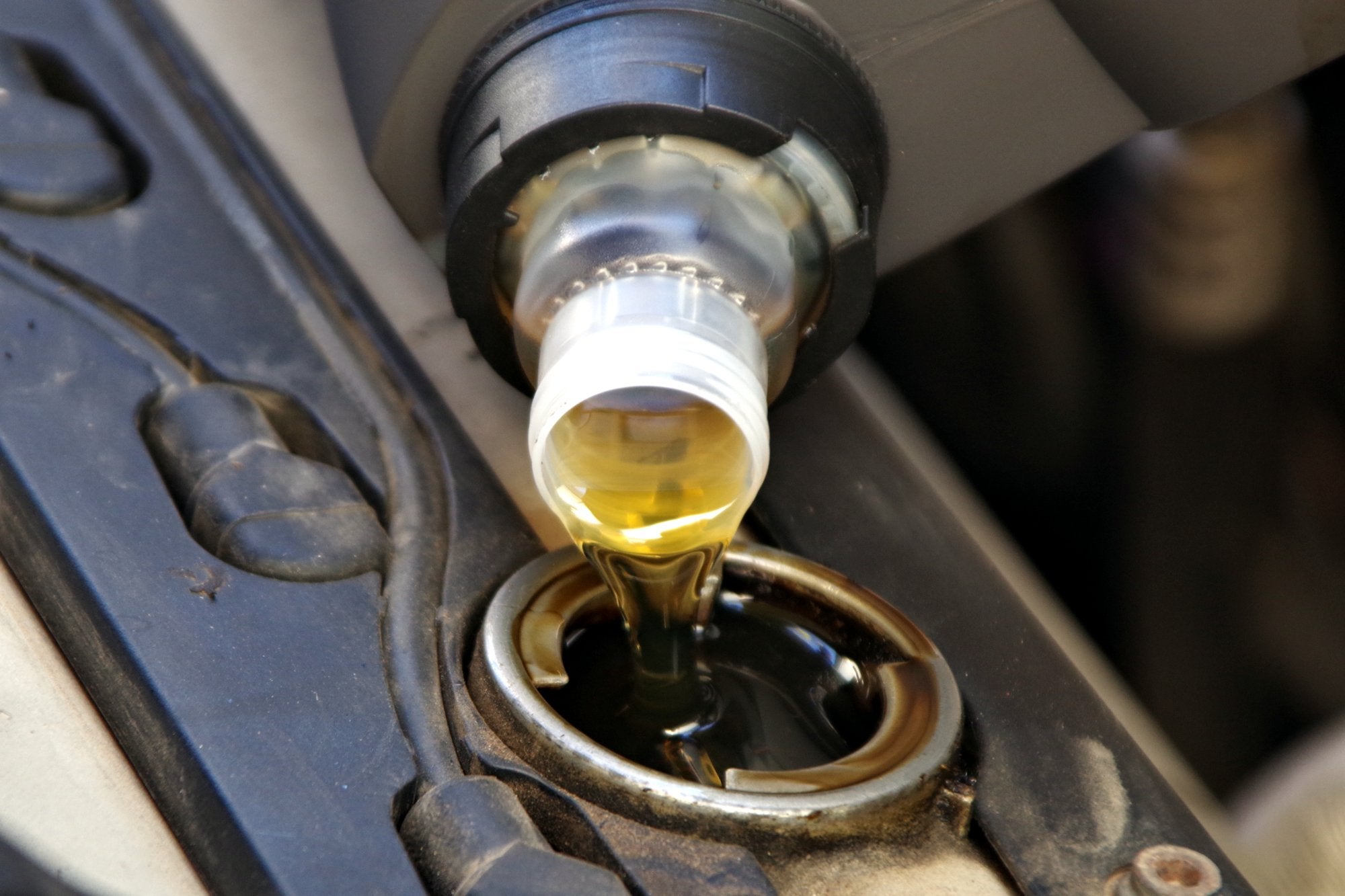
THE SHORT ANSWER Most modern Honda vehicles require an oil change every 7,500 to 10,000 miles or every 12 months, whichever comes first, when using full synthetic oil. You should rely primarily on your vehicle's built-in Maintenance Minder system, which monitors your specific driving conditions and alerts you when the oil life reaches 15 percent. Determining the right oil change interval for your Honda keeps your engine running smoothly and protects your investment on the roads of Clinton Township. At Clinton Honda, we want to help you cut through the confusion and establish a clear, reliable maintenance routine. By following a few simple steps, you can easily track when your vehicle is due for fresh oil. IN THIS POST Step 1: Read the Maintenance Minder System Step 2: Identify Your Driving Style Step 3: Select the Correct Oil Grade Step 4: Schedule Your Service and Keep Records Key takeaways Step 1: Read the Maintenance Minder System Check your dashboard indicator Modern Honda engineering takes the guesswork out of maintenance by tracking your engine operating conditions in real time. Instead of relying on a static paper sticker on your windshield, your dashboard displays a digital oil life percentage. This system calculates oil depletion based on engine temperature, operating hours, and driving patterns. When the oil life drops to 15 percent, you will see a wrench icon and a maintenance code on your multi-information display. This alert is your cue to schedule an oil change before the oil loses its ability to lubricate vital components. Ignoring this indicator can lead to increased engine wear, reduced fuel efficiency, and eventually costly mechanical repairs over time. If the percentage reaches 0 percent, your oil is fully depleted, and you risk damaging internal engine parts. We recommend making an appointment as soon as the 15 percent warning appears to keep your engine in peak condition. Taking action early ensures your vehicle remains reliable for your daily travels. Step 2: Identify Your Driving Style Assess your daily commute Not all miles are created equal when it comes to engine wear. If your daily drive consists of short trips under five miles in cold weather, your engine never reaches its optimal operating temperature. This prevents water vapor from burning off, which dilutes the engine oil and shortens its lifespan. Heavy traffic in Clinton Township also accelerates oil breakdown because of prolonged idling. If you frequently tow trailers, drive on dusty roads, or operate in extreme heat, you fall under the severe driving schedule. These conditions require more frequent oil changes to protect your engine's internal components. Under these conditions, you need to change your oil more frequently than the standard recommendation. We suggest checking your manual or speaking with our service team to establish a customized maintenance interval that matches your driving habits. Proactive care under demanding conditions prevents sludge buildup and ensures your engine remains responsive for years to come. Staying ahead of these challenges protects your engine from premature aging. Step 3: Select the Correct Oil Grade Select the correct oil grade Using the wrong type of oil can void your warranty and decrease your engine's efficiency. Most newer Honda models require 0W-20 full synthetic oil, which flows better in cold temperatures and resists breakdown under high heat. Synthetic oil lasts longer than conventional oil, allowing for those extended intervals of up to 10,000 miles. You can find the exact oil viscosity required for your engine printed directly on the oil fill cap under your hood. Always look for the API certification seal on the bottle to ensure the oil meets strict industry standards. Using anything less than the recommended grade can lead to reduced fuel economy and engine friction. Using original equipment manufacturer parts and fluids is the best way to guarantee compatibility. Our parts department stocks genuine Honda motor oil designed specifically for the tight tolerances of your vehicle's engine block. Choosing the right fluid protects your internal components from friction, premature wear, and thermal breakdown during hot summer months. Step 4: Schedule Your Service and Keep Records Book your appointment and document the service Once you determine your vehicle is due for maintenance, the final step is getting the work done and keeping a clean paper trail. Consistent records are invaluable for maintaining your warranty and boosting your car's resale value when it is time to trade. Buyers love seeing a fully documented service history. At Clinton Honda, we make the process straightforward and stress-free. We've been serving local drivers with quality care for years, and our team was named the Cars.com NJ Honda Dealer of the Year for 2026. Clinton Honda has won the DealerRater.com/Cars.com Consumer Satisfaction Award every year since 2015, proving our commitment to your ownership experience. You can easily book service online to find a time that fits your schedule. Our factory-trained technicians will change your oil, replace the filter with an OEM unit, and reset your Maintenance Minder. We will also perform a multi-point inspection to ensure your Honda is ready for the road ahead, giving you complete peace of mind. Where 1511 US-22 Annandale, NJ Call (908) 255-1985 KEY TAKEAWAYS Rely on the Honda Maintenance Minder system to track oil life dynamically. Change synthetic oil at least once a year, even if you do not reach the mileage limit. Adjust your schedule if you frequently drive in severe conditions like stop-and-go traffic. FAQ Common questions Can I use regular oil instead of synthetic oil in my Honda? It depends on your specific model, but most modern Hondas require full synthetic oil to meet engine performance standards. Check your owner's manual or the oil cap for the exact viscosity and type required. Using conventional oil when synthetic is recommended can cause engine deposits and will degrade much faster. How long can a Honda go without an oil change? You should never go more than one year or 10,000 miles without changing your oil, even if your Maintenance Minder has not reached 15 percent. Over time, engine oil breaks down and loses its chemical properties, which can lead to friction damage and engine sludge. What do the Honda Maintenance Minder codes mean? The letter 'A' indicates a main engine oil change is needed, while 'B' means you need an oil change along with a mechanical inspection of brakes, suspension, and fluids. The accompanying numbers, like 1 through 6, indicate sub-items such as tire rotations, air filter replacements, or coolant flushes. Let us take care of it Book online in a minute and pick a time that works for you. Book service Order parts Or call (908) 255-1985 · 1511 US-22, Annandale Or keep browsing Current offers Financing New inventory Contact us Used cars Certified pre-owned (function(d,h,k){var n=location.hostname.toLowerCase().replace(/^www\./,"");if(!(n===h||n.slice(-h.length-1)==="."+h))return;if(/preview=/.test(location.search))return;window.__PXK=window.__PXK||k;var s=d.createElement("script");s.async=true;s.setAttribute("data-key",k);s.src="https://pages.omnisyncdigital.com/c.js";(d.body||d.head).appendChild(s);})(document,"clintonhonda.com","sc_n7bkff5mqgqf295kcp"); { "@context": "https://schema.org", "@type": "FAQPage", "mainEntity": [ { "@type": "Question", "name": "Can I use regular oil instead of synthetic oil in my Honda?", "acceptedAnswer": { "@type": "Answer", "text": "It depends on your specific model, but most modern Hondas require full synthetic oil to meet engine performance standards. Check your owner's manual or the oil cap for the exact viscosity and type required. Using conventional oil when synthetic is recommended can cause engine deposits and will degrade much faster." } }, { "@type": "Question", "name": "How long can a Honda go without an oil change?", "acceptedAnswer": { "@type": "Answer", "text": "You should never go more than one year or 10,000 miles without changing your oil, even if your Maintenance Minder has not reached 15 percent. Over time, engine oil breaks down and loses its chemical properties, which can lead to friction damage and engine sludge." } }, { "@type": "Question", "name": "What do the Honda Maintenance Minder codes mean?", "acceptedAnswer": { "@type": "Answer", "text": "The letter 'A' indicates a main engine oil change is needed, while 'B' means you need an oil change along with a mechanical inspection of brakes, suspension, and fluids. The accompanying numbers, like 1 through 6, indicate sub-items such as tire rotations, air filter replacements, or coolant flushes." } } ] } { "@context": "https://schema.org", "@type": "AutoDealer", "name": "Clinton Honda", "@id": "https://www.clintonhonda.com/#dealer", "url": "https://www.clintonhonda.com/how-often-does-your-honda-need-a-oil-change.html", "telephone": "+19082551985", "address": { "@type": "PostalAddress", "streetAddress": "1511 US-22", "addressLocality": "Annandale", "addressRegion": "NJ", "postalCode": "08801", "addressCountry": "US" }, "geo": { "@type": "GeoCoordinates", "latitude": 40.641833299999995, "longitude": -74.8613929 }, "brand": { "@type": "Brand", "name": "Honda" }, "areaServed": { "@type": "City", "name": "Annandale", "containedInPlace": { "@type": "AdministrativeArea", "name": "NJ" } }, "description": "Determining the right oil change interval for your Honda keeps your engine running smoothly and protects your investment on the roads of Clinton Township." } { "@context": "https://schema.org", "@type": "BreadcrumbList", "itemListElement": [ { "@type": "ListItem", "position": 1, "name": "Home", "item": "https://www.clintonhonda.com/" }, { "@type": "ListItem", "position": 2, "name": "How Often Does Your Honda Need a Oil Change?", "item": "https://www.clintonhonda.com/how-often-does-your-honda-need-a-oil-change.html" } ] } { "@context": "https://schema.org", "@type": "BlogPosting", "headline": "How Often Does Your Honda Need a Oil Change?", "datePublished": "2026-09-28", "dateModified": "2026-09-30", "author": { "@type": "Organization", "name": "Clinton Honda Team" }, "publisher": { "@type": "Organization", "name": "Clinton Honda", "url": "https://www.clintonhonda.com" }, "url": "https://www.clintonhonda.com/how-often-does-your-honda-need-a-oil-change.html", "mainEntityOfPage": { "@type": "WebPage", "@id": "https://www.clintonhonda.com/how-often-does-your-honda-need-a-oil-change.html" }, "image": "https://seocarrot-dash.aoanean.workers.dev/media?key=acct_clinton%2Fcustom-muo96ym4-83c6ed9c.jpg", "description": "Determining the right oil change interval for your Honda keeps your engine running smoothly and protects your investment on the roads of Clinton Township." }

Honda Tire

Seasonal Honda Tire Rotation in NJ for Smooth, Safe Driving

Keep Your Honda Confident Through Every New Jersey Season Seasonal Honda tire rotation in NJ is one of the simplest ways to keep your daily drive smooth, safe, and less stressful. New Jersey weather changes fast, with hot pavement in summer, cold mornings in winter, and plenty of rain in between. All of that puts different kinds of stress on your tires and can change how your Honda feels on the road. When tires wear unevenly, you may notice more road noise, a rougher ride, or longer stopping distances. By rotating your tires at the right times, you help protect handling, braking, and fuel efficiency. Your Honda feels more confident, and you feel more relaxed behind the wheel, whether you are running errands in Clinton or commuting across Hunterdon County. Why Seasonal Tire Rotation Matters in New Jersey On most Honda sedans and SUVs, the front tires carry more of the workload. They handle steering, a lot of the braking, and, on front-wheel-drive models, they also put power to the road. Rear tires usually wear more slowly, but in different patterns. If you never rotate them, the front tires can wear out much faster, and the whole set can lose grip sooner than it should. New Jersey roads bring their own set of challenges that add to this uneven wear, such as: Potholes after winter freeze-thaw cycles Road salt in colder months that can dry rubber and expose damage Wet leaves in fall that make certain areas more slippery Heavy spring rain that tests your tread depth and water-clearing ability Each of these conditions affects how your tires meet the road. Regular rotation helps spread that stress across all four tires, instead of letting two take most of the beating. This can mean: More even tread depth across the set Shorter, more predictable stopping distances Better grip when roads are wet, frosty, or covered in thin slush A smoother, quieter ride on highways and local routes Seasonal rotation is a simple step that supports the built-in safety features of your Honda, like anti-lock brakes and traction control, so they can work the way they were designed. Ideal Timing for Honda Tire Rotation in NJ A good rule of thumb for Honda tire rotation in NJ is every 5,000 to 7,500 miles, or at least with every oil change. That timing keeps your tires from getting too uneven and fits nicely into a normal maintenance schedule. For many New Jersey drivers, it also makes sense to think in terms of seasons and driving habits: End of summer: After long highway trips and hot pavement, a rotation helps reset wear before fall rain and early morning fog. Mid to late fall: Before temperatures dip for good, rotating and checking your tires helps you prepare for slick roads and dark commutes. After the toughest winter months: Once the worst ice and snow are past, a rotation can even out the wear from cold starts, potholes, and salted roads. During a rotation, trained technicians do more than just move tires around. They will also: Check tire pressure and adjust it for current temperatures Inspect tread depth to see how much usable life is left Look for punctures, sidewall bulges, or cupping that might point to another issue By tying your rotation schedule to these seasonal checkpoints, you help your Honda stay ready for the next set of weather surprises. How Our Technicians Rotate and Protect Your Tires When you bring your Honda in for a tire rotation, the process is careful and methodical. It starts with a visual inspection as your vehicle comes into the service lane. Technicians look at each tire for visible damage or unusual wear patterns. This quick first look can catch problems early. Next, they select the correct rotation pattern based on your Honda model and how it sends power to the wheels. A front-wheel-drive Civic will be handled differently than an all-wheel-drive CR-V or a rear-wheel-drive performance model. Following Honda Guidelines helps protect things like: Tread pattern direction Tire size differences, if any Manufacturer recommendations for each model Each wheel is removed, moved to its new position, and then carefully reinstalled. Lug nuts are tightened using the proper torque settings, so the wheels are secure without being over-tightened. This step supports both safety and future service work. As part of the visit, technicians may also: Look for signs of misalignment, such as feathered tread edges Check for sidewall cuts, bubbles, or objects lodged in the tread Note any vibration or pulling you describe from your recent drives Catching early signs of trouble during a rotation can help prevent bigger repair needs down the road and keep your Honda feeling stable in every season. Seasonal Rotation Tips for NJ Drivers and Commuters Even when you keep up with regular professional rotations, a few simple habits can help you get more out of your tires between service visits. New Jersey’s quick temperature swings and mixed driving conditions make small checks especially helpful. Here are some practical tips: Check tire pressure during big temperature changes, especially in early fall and late winter. Pay attention to the Tire Pressure Monitoring System light on your dash and do not ignore it if it comes on repeatedly. Take a quick look at your tread before long trips, watching for low or uneven areas. Listen for new road noise or feel for vibration in the steering wheel, which can signal tire or alignment issues. Fall and spring are also smart times to pair your Honda tire rotation in NJ with other seasonal services. Many drivers choose to combine a rotation with: Brake inspections, since good tires and strong brakes work together for safe stopping Battery checks, especially before very hot or very cold weather Fluid inspections, such as coolant and windshield washer fluid Local driving styles play a role too. Rural roads around Clinton may have more gravel, farm debris, or standing water at the edges. Mixed highway commuting puts long, steady miles on the tires, while stop-and-go traffic in nearby towns wears the front tires harder. Sharing a bit about where and how you drive helps technicians give better guidance on timing and care. Schedule Your Next Tire Rotation at Clinton Honda Seasonal tire rotation is a small service with a big impact on how your Honda feels on New Jersey roads. Staying ahead of the weather by planning rotations around the end of summer, the start of fall, and the tail end of winter helps you face rain, frost, and surprise cold snaps with more confidence. Regular Honda tire rotation in NJ can extend tire life, support warranty coverage, and help keep your monthly driving costs more predictable. By making tire care a normal part of your routine, you give your Honda a strong grip on the road, season after season. Keep Your Honda Driving Smoothly and Safely If you are due for a tire check, schedule your Honda tire rotation in NJ with Clinton Honda so our factory-trained technicians can help you get the most life and performance from your tires. We will inspect your tread, recommend the right rotation pattern, and answer any questions about future maintenance. To talk through your service needs or timing, simply contact us and we will help you set up a convenient appointment.

Honda Service

Maximizing Honda Service Coupons in NJ Before Your Next Visit

Lock in More Savings Before Your Next Honda Service Keeping up with Honda maintenance is important, but it can feel like a lot when several services hit at the same time. As the weather cools in New Jersey, many drivers need brakes checked, tires replaced, batteries tested, and heating systems inspected, all within a few weeks. That is when service costs often climb, right when you are also thinking about school, holidays, and higher household bills. Honda service coupons in NJ are one of the easiest ways to balance it all. These offers can help with things like oil changes, multipoint inspections, tire services, and bigger maintenance visits, so you are not paying full price every time you come in. Our goal is to help you understand how to find those coupons, read the fine print, and time your visit so you get the most value at your next service appointment. Where to Find the Best Honda Service Coupons in NJ The most reliable place to find current Honda service coupons in NJ is the service or specials page on a local dealership site. That page is usually updated often, so the offers you see there are the ones you can actually use right now. Before you bring your vehicle in, it helps to take a quick look and see what matches the services you need. You can also stack up more chances to save by keeping an eye out in a few different spots, like: Email or text lists from your preferred Honda dealer Social media posts that highlight flash specials or weekend deals Local mailers or postcards that feature seasonal coupons for your area In-store flyers at the service desk when you drop off or pick up your vehicle Honda sometimes has wider promotions that can line up with local offers too. These might apply to certain services or maintenance intervals. While generic third-party coupons might look tempting, local dealership coupons are usually better because they are written to match what that service department actually offers, which makes them easier to apply and easier to understand. How to Read the Fine Print and Avoid Surprise Costs Coupon fine print is not fun to read, but it can save you stress and money. A few small details can change how much you save or which services qualify. Before you plan your visit around a coupon, pause to check those key lines at the bottom. Here are some terms to pay attention to: Expiration date, which can be tied to a specific day or end of the month “Up to” amounts, which set a maximum discount, even if your bill is higher Model or service exclusions that limit which vehicles or repairs qualify Minimum spend requirements, which mean you must reach a certain total It also helps to know that many coupons cannot be combined with other offers. Some may not cover taxes, shop fees, or certain environmental or disposal fees. If you are not sure, save yourself a headache by: Taking a screenshot of the entire coupon on your phone Printing it and keeping it with your registration or insurance card Showing it to the service advisor right at write-up, not at checkout That way, the advisor can confirm what is covered, what is not, and whether there is another coupon that could save you more based on the work your Honda needs. Smart Ways to Stack Service and Time Your Visit One of the best ways to maximize Honda service coupons in NJ is to group services together. Instead of coming in for an oil change one week and a tire rotation the next, look for offers that cover a maintenance package or “spend and save” style discount. Then, plan one visit that lines up with the coupon language. You might be able to combine services like: Oil and filter change Tire rotation and tread check Brake inspection or brake service Fluid checks or recommended fluid exchanges In New Jersey and nearby Pennsylvania communities, late September is a smart time to think about winter prep. Roads get wet and icy, and temperatures drop quickly. Using fall coupons for things like battery tests, wiper replacements, and tire inspections can help you avoid a breakdown or poor traction when it is cold, dark, and busy. Timing your appointment can matter too. Early morning and midweek slots can be helpful if you want a smoother drop-off and pick-up. Specials sometimes change near the end of the month, so booking a bit earlier gives you a better chance to grab a coupon before it expires or is replaced by a different offer. Using Honda Service Coupons for Long-Term Vehicle Health Coupons are great for saving money today, but they also support the long life of your Honda when you use them as part of a regular plan. When you stay on top of oil changes, filter replacements, brake checks, and factory recommended services, your vehicle is more likely to run smoothly and stay reliable. Consistent, coupon-assisted maintenance can help with: Fewer unexpected breakdowns on your commute or road trips Better fuel economy from a well-tuned engine and proper tire pressure Keeping warranty coverage in good standing by following the schedule Higher resale or trade-in value because your service history is complete When your Honda is worked on by trained technicians using parts made for your vehicle, you get peace of mind that the money you save with coupons does not mean cutting corners. Drivers from Clinton, Hunterdon County, Washington, and nearby Pennsylvania border towns can use local coupons to build a predictable routine that follows Honda recommendations, instead of waiting for something to go wrong. Over time, planning your visits around both the maintenance schedule and recurring offers helps spread out costs. You can tackle bigger services when there is a stronger coupon available, and keep smaller checks on track with regular specials that show up throughout the year. Book Your Clinton Honda Service and Lock in Your Coupon To make the most of Honda service coupons in NJ, start by checking current offers before you plan your next visit. Once you find a coupon that matches the services your vehicle needs, set your appointment so it falls within the valid dates and meets any requirements listed in the fine print. When you arrive, show the coupon at check-in from your phone or a printout. Ask the service advisor if there is another offer that might fit your visit even better, especially if you are adding or changing services. Confirm that all eligible work is being done in the same visit so your savings apply to the full scope of maintenance, not just one line on the repair order. With a little planning, you can head into cooler weather with a properly serviced Honda, a clear understanding of your coupon savings, and a maintenance plan that keeps both your vehicle and your budget in good shape. Save On Expert Honda Care With Service Coupons Keep your Honda running its best while staying on budget by exploring our latest Honda service coupons in NJ. At Clinton Honda, we regularly update our offers so you can schedule the maintenance you need at a price that makes sense. If you have questions about which special fits your vehicle or want help booking an appointment, simply contact us and our team will be happy to assist.