
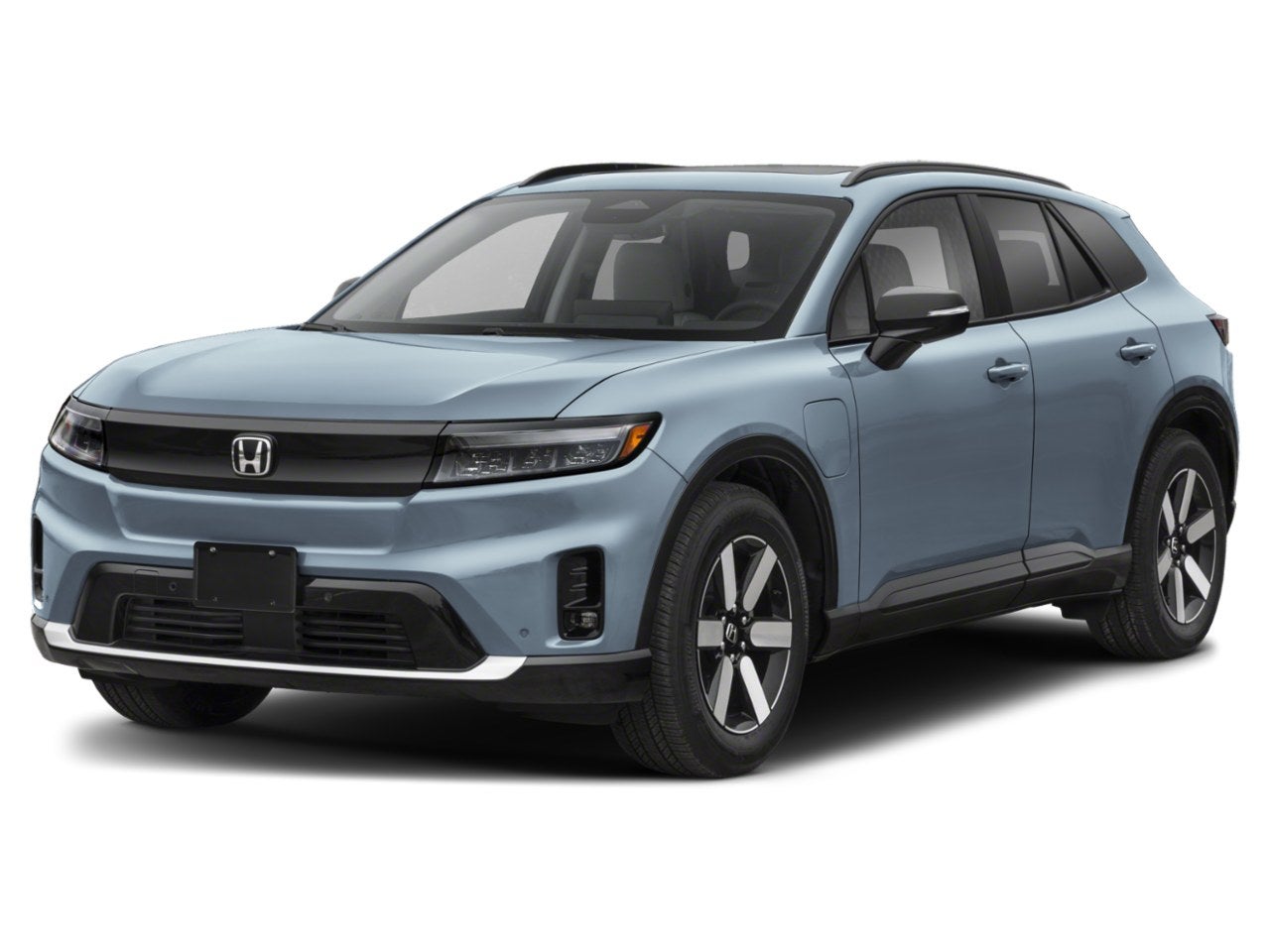
Winter in Annandale means frozen driveways, salted lanes on I-78 and plenty of mornings below freezing. If you've never owned an electric vehicle, you might wonder how a Honda Prologue gets through November to March. We're Clinton Honda, and we'll start with the basics so you know what to expect when it gets cold.
How Cold Weather Affects an Electric SUV
An EV, or electric vehicle, runs on a large battery pack instead of a gas tank. Range is how far you can drive on one full charge, and new owners watch it most closely in winter.
Cold reduces range for two reasons. Battery chemistry slows at low temperatures, so less of the stored energy is available to use. Heating the cabin also draws from that same battery, because there's no gas engine giving off spare heat. Expect fewer miles per charge in January than in June. That happens with any EV, and it doesn't mean something is wrong with yours.
Efficiency is rated in MPGe, short for miles per gallon equivalent, which lets you compare an EV's energy use with a gas car's. A Prologue EX (2WD) is rated 104 MPGe combined, while the all-wheel-drive EX comes in at 99. Higher means more efficient. Use those ratings to compare models, not to predict exactly what you'll get on a cold day.
For most Annandale drivers, the winter drop matters less than it sounds. You'll start most days with a battery you charged overnight, whether you're heading to Clinton, Flemington or onto I-78.
Front-Wheel Drive or All-Wheel Drive

Drivetrain means which wheels the motors turn. With front-wheel drive, power goes only to the front wheels. All-wheel drive sends power to all four, so the car can pull with whichever wheels have grip.
You can get the Prologue either way. EX (2WD) and Touring (2WD) use a Single Motor driving the front wheels, with 220 hp. EX (AWD), Touring (AWD) and Elite (AWD) add a second motor for a Dual Motor setup and 300 hp.
What that means on our roads
Around Hunterdon County, AWD earns its keep when you're pulling away from a stop sign on a snowy hill or climbing a slushy driveway. It won't help you stop or steer on ice, though. Tires do that job. Plenty of drivers do fine with front-wheel drive and good winter tires.
Cost is the other side of the decision. MSRP, the manufacturer's suggested retail price, is $39,900 for the EX (2WD) and $42,000 for the EX (AWD). To feel the difference yourself, book a test drive of both on the same day.
Charging at Home When It's Cold
Most owners do nearly all their charging at home, overnight. You'll hear two terms:
- Level 1: a standard 120-volt household outlet. It's slow, but it adds miles while you sleep.
- Level 2: a 240-volt circuit, like the one behind an electric dryer, usually paired with a wall-mounted charger. It's much faster and a better fit for winter, when you use more energy per mile.
A garage helps. Parked in a sheltered space, a battery starts the day warmer than one left in the driveway on a frozen night, and a warmer battery works more efficiently.
Habits that pay off
- Plug in every night, even if you only drove a few miles.
- Set charging to finish close to when you leave, so the battery is still warm as you pull out.
- Allow extra time for public fast charging in deep cold, since a chilled battery takes in power more slowly.
If you're adding a Level 2 circuit, a licensed electrician can tell you what your electrical panel can handle. We're glad to answer charging questions when you contact our team.
Driving and Caring for It Day to Day
Regenerative braking is how an EV slows itself. When you lift off the accelerator, the motor acts like a generator, slowing the car and sending some energy back to the battery. On packed snow or black ice, ease off the pedal gradually, the same way you'd brake gently.
Warm the cabin while the car is still plugged in. That heat comes from the wall instead of your battery, so you leave with a comfortable interior and a full charge. We'll show you how to set it up when you pick up the car.
On a slick morning along Route 31 or I-78, nothing matters more than your tires. EVs are heavy and deliver power the instant you press the pedal, so dedicated winter tires are worth considering if you drive early or on back roads.
Winter maintenance
There's no oil to change, but the car still needs some attention. Before the cold settles in, check:
- Tire tread and pressure, since pressure drops as temperatures fall
- Wiper blades, plus washer fluid rated for freezing weather
- The cabin air filter, since you'll run the heat for months
When it's time, you can book service with us and we'll go over all of it.
Choosing a Trim for Winter Life

In winter, cargo space fills up fast with boots, a snow brush, holiday shopping and ski bags. EX trims give you 25.2 cu ft behind the rear seats and 57.7 cu ft with them folded.
Touring and Elite have a bit less room, at 23.7 cu ft behind the rear seats. Fold the seats down and you get 54.5 cu ft, which is still plenty for a weekend away.
If winter driving is your top concern, here's a simple way to narrow it down:
- EX (AWD): the lowest-priced way to get all-wheel drive, and the trim with the most cargo room.
- Touring (AWD): the same Dual Motor setup in a higher trim.
- Elite (AWD): the top of the lineup, offered only with all-wheel drive.
Touring (AWD) carries an MSRP of $47,000, and Elite (AWD) comes in at $50,400.
You can browse our new Prologue inventory to see what's on hand. We've won the DealerRater.com/Cars.com Consumer Satisfaction Award every year since 2015. We were named the Cars.com NJ Honda Dealer of the Year for 2026, and we'd be glad to help you find the Prologue that fits your winters.
Annandale, NJ
- Cold shortens any EV's range, so plug in nightly and warm the cabin while the car is still connected.
- AWD Prologue trims help you get moving on snowy hills, but your tires are what stop and steer the car.
- Level 2 home charging and a garage make winter ownership noticeably easier.