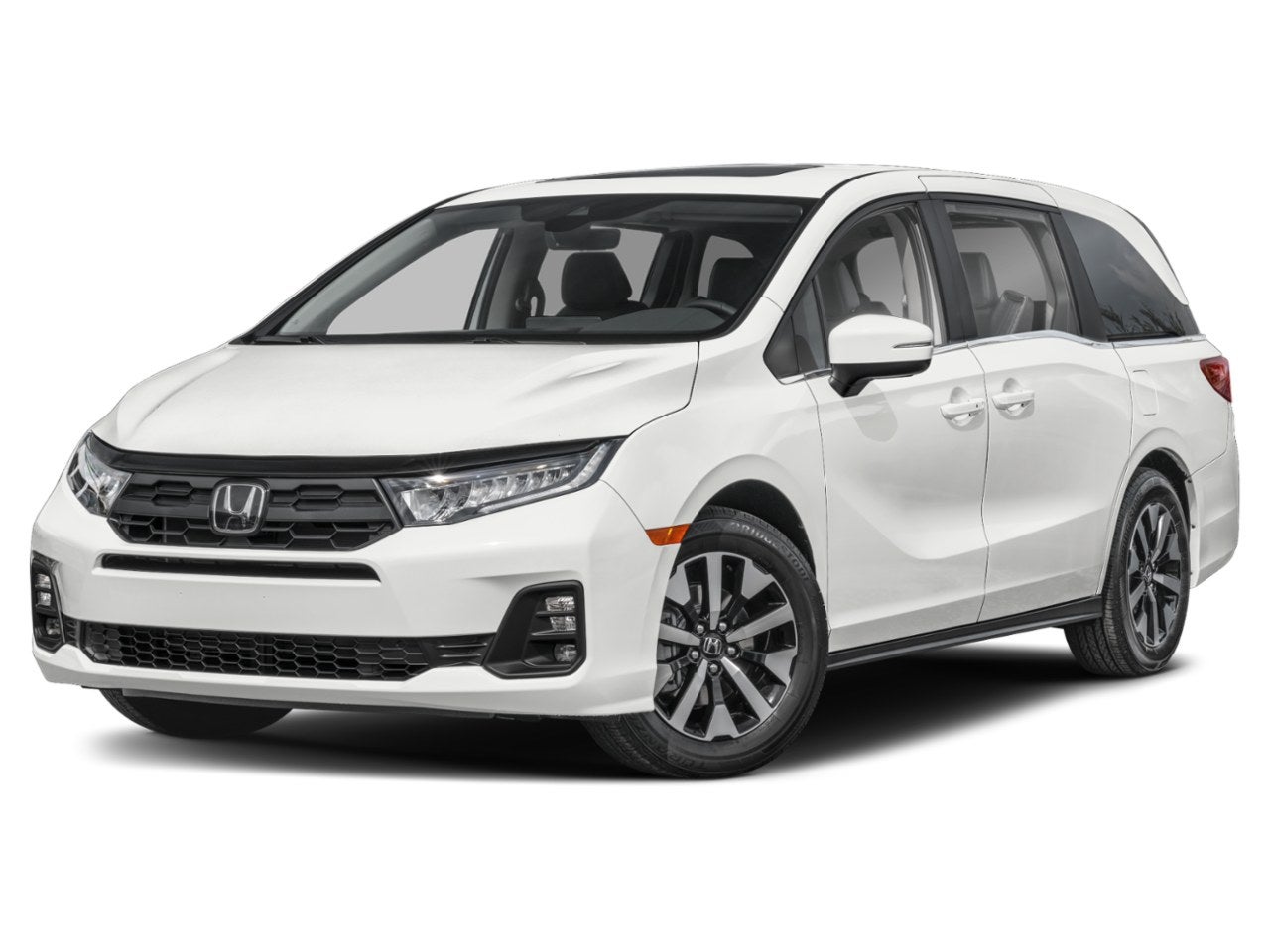

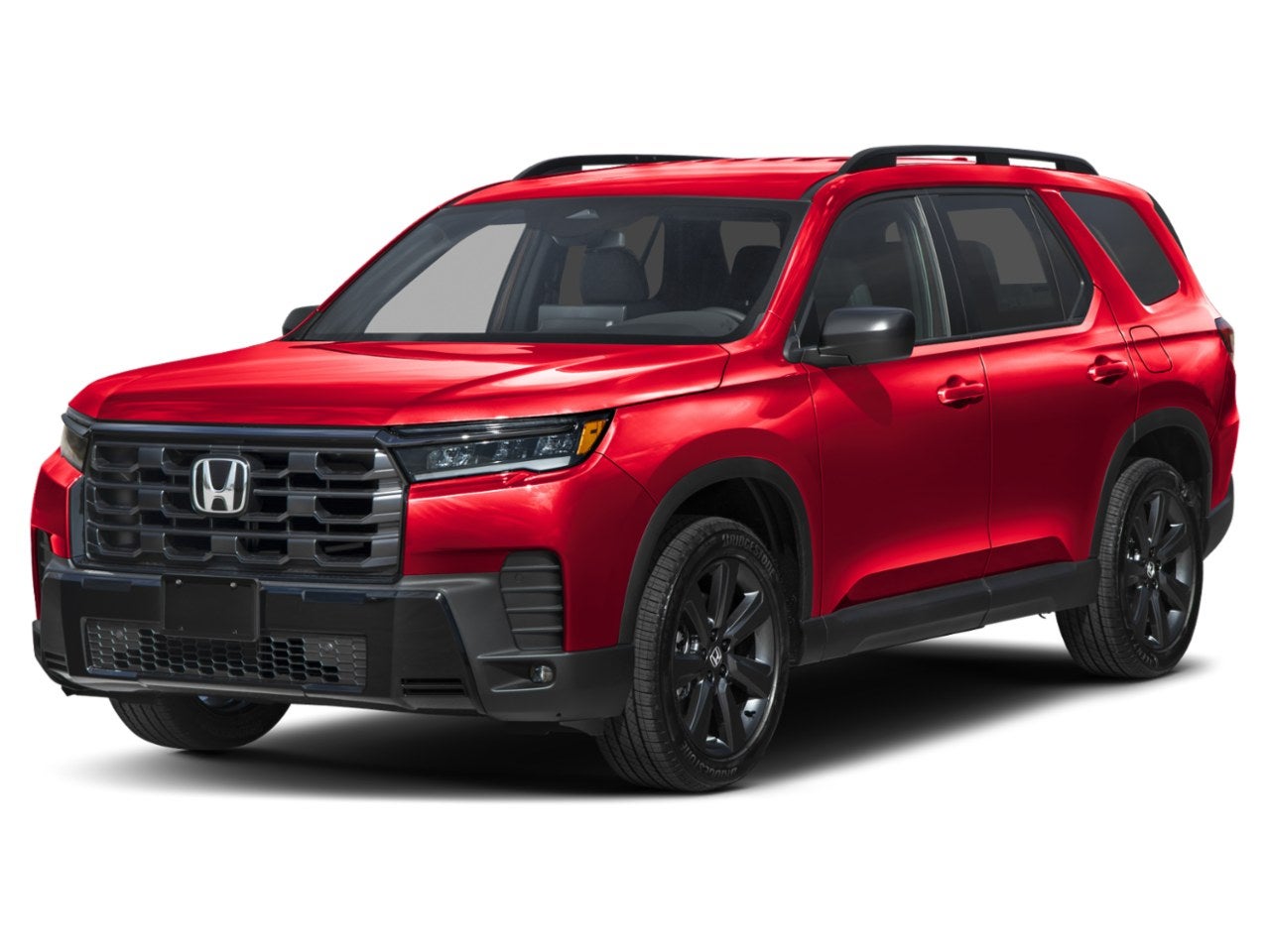
Nine trims, one engine, and a lot of letters in between. Shopping for a 2026 Honda Pilot can feel confusing if you've never done it before. At Clinton Honda in Annandale, we help families sort it out by starting with how they actually spend their weekends. We'll cover the basic terms first, then the two decisions that matter most, and then match trims to real weekend plans.
Pilot Trims, Explained From Scratch

A trim is a version of the same vehicle with its own mix of equipment and its own price. The 2026 Pilot comes in nine of them, from the Sport (2WD) up to the Black Edition.
Next to each trim you'll see an MSRP, short for manufacturer's suggested retail price. That's the starting point Honda sets before taxes, fees and options, so what you actually pay can differ. Current offers can move it too.
One thing surprises a lot of first-time Pilot shoppers: the engine never changes. Every trim uses the same 3.5L V6 making 285 hp, so climbing the ladder doesn't buy you more power. What changes as you go up is the drivetrain, the seating and the level of equipment and finish inside.
What stays the same
Eight seats come standard on all but one trim. The exception is the TrailSport, which seats seven. That single difference matters more than most people expect, and we'll come back to it.
So think of the trims less as a speed ladder and more as a menu. You're choosing how much grip, how many seats and how much comfort your family needs for the price.
Front-Wheel Drive or All-Wheel Drive

Drivetrain describes which wheels the engine powers. Front-wheel drive, shown as 2WD, sends power to the front wheels only. All-wheel drive (AWD) can send it to all four, which helps the Pilot find grip on wet, snowy or loose surfaces.
Only two trims give you that choice: the Sport and the EX-L. On both, picking AWD adds $2,100 to the MSRP. From the TrailSport up, AWD comes standard.
What it means at the pump
Fuel economy is shown as three numbers: city, highway and combined miles per gallon (mpg). The 2WD Sport and EX-L are rated 19 / 27 / 22, while their AWD versions come in at 19 / 25 / 21. Around town you won't notice a difference, but on a long highway run the 2WD versions pull slightly ahead.
Here in Hunterdon County, we'd weigh that against your weekends. If your Saturdays take you up I-78 or Route 31 toward ski trips in the Poconos, or out on back roads after a storm, AWD earns its keep. For mostly paved trips down to the shore, with good winter tires on hand, 2WD can save you money upfront and a little at the pump.
Seven Seats or Eight: The TrailSport Question

Eight seats are the Pilot's calling card. They're why families with three kids, or two kids plus a carpool friend, so often end up shopping it.
The TrailSport is the one trim that seats seven instead. It's also AWD-only and has the lowest fuel economy in the lineup at 18 / 23 / 20 mpg, with an MSRP of $50,595. As the name suggests, it's the Pilot aimed at trailhead parking lots and gravel access roads rather than the mall.
Who it suits
Count heads before you fall for it. A family of five that hikes the Delaware Water Gap or camps at state parks most weekends has seats to spare and may love what the TrailSport is built for. Six people who regularly bring grandparents or teammates along will notice the missing seat fast.
Our honest rule of thumb: if you'll ever need eight seat belts, even a few times a year, choose one of the eight-seat trims. A seat you need once a month matters more than a look you enjoy every day.
If seven seats really do cover your crew, the TrailSport is a fun, focused choice. Just go in knowing what you're trading for it.
Matching a Trim to Your Weekends
Start with how you actually spend Saturday and Sunday, not with the window sticker. Here's how we usually point families:
- Youth sports and errands around Clinton and Flemington: the Sport (2WD) at $42,395 has the lowest price and the best highway mpg in the lineup.
- Winter weekends and snowy back roads: the Sport (AWD) or EX-L (AWD) adds all-wheel grip without jumping to the top trims.
- Long drives where comfort matters: the EX-L in either drivetrain is the step up many families find worth it over the Sport, and it gives you a little more room with the rear seats folded.
- Trail days and camping: the TrailSport, as long as seven seats covers everyone.
- Road trips with the extended family: the Touring and above, where AWD is standard and all eight seats stay.
Don't skip the test load
Bring the gear you haul most often, like a stroller, a cooler, hockey bags or car seats. Fitting your real stuff into the Pilot tells you more than any brochure can.
When you book a test drive, tell us what you're bringing. We'll have the trims you're considering ready side by side so you can compare them directly.
The Top Trims and Your Next Steps
Above the TrailSport sit four more trims: the Touring at $51,295, the Touring Blackout, the Elite and the Black Edition at $55,195. They share the same engine, eight seats and fuel economy, so the differences among them come down to equipment, comfort features and styling. They suit families who want the nicest cabin for long drives and plan to keep their Pilot for years.
How to narrow it down
Go in this order: seat count first, then drivetrain, then how much comfort fits your budget. Those three questions narrow nine trims down to two or three within minutes. You can browse our new Pilot inventory to see which of them are on the lot right now.
We've won the DealerRater.com/Cars.com Consumer Satisfaction Award every year since 2015. We were also named the Cars.com NJ Honda Dealer of the Year for 2026. What that means for you is a team that would rather match you with the right trim than the priciest one.
Stop by our Annandale showroom and climb into the third row yourself. Then tell us where your weekends take you, and we'll help you find the Pilot that fits them.
Annandale, NJ
- Every 2026 Pilot trim has the same V6 engine, so moving up buys you equipment, not power.
- Settle seat count first: the TrailSport seats seven, and every other trim seats eight.
- Only the Sport and EX-L offer a front-wheel-drive version. AWD costs more but helps on snowy or rough roads.