
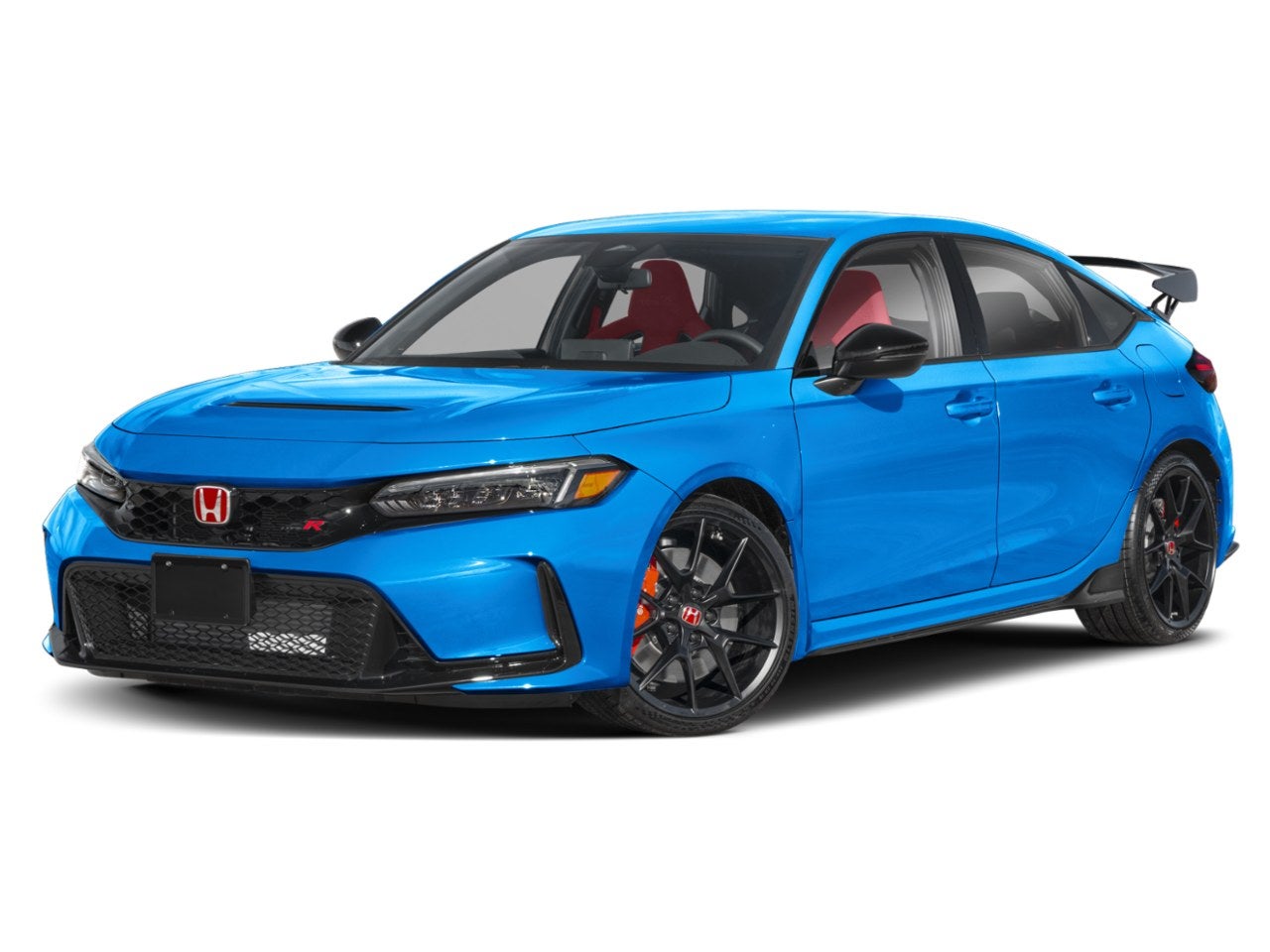
You pull out of the Clinton Honda lot onto Route 78, ease into the on-ramp, and tap a button on the steering wheel without even thinking about it. For most commuters that's where the drive mode story ends. For Civic Type R drivers in Annandale, it's really just the beginning, because that one button changes how the whole car behaves.
What Drive Modes Actually Do

A drive mode isn't a gimmick layered on top of the car. It's a set of instructions the Type R's computer sends to the throttle, the steering rack, the adaptive dampers and the exhaust valve all at once, so several systems shift together instead of one at a time.
Think of it as the car reading your mood. Flip a switch and the same Civic Type R that glides over potholes near the Round Valley exit can tighten up and feel planted through a sweeping curve ten minutes later.
The goal is flexibility. Honda built one chassis that has to work for a grocery run, a daily commute, and the occasional spirited back-road drive, and drive modes are how it pulls that off without you needing three different cars.
Comfort Mode Explained

Comfort is the setting most owners leave the car in for daily driving. Steering effort stays light, the suspension softens to soak up the seams and patch jobs you find on local roads, and throttle response eases off so the car doesn't lurch every time you touch the pedal.
The exhaust note quiets down too, which matters if you're leaving early for work and don't want to wake the neighborhood. This mode trades outright sharpness for a relaxed, predictable feel.
- Softer suspension for rough pavement
- Lighter steering for parking lots and tight turns
- Calmer throttle for smooth takeoffs in traffic
It's the mode that makes a Type R livable rather than exhausting, which is exactly the point for a car meant to be driven every day, not just on weekends.
Sport Mode Explained
Sport sits in the middle, and it's where a lot of drivers land once they get comfortable with the car. Steering weight builds up, giving you more feedback through turns, while throttle response sharpens so the car reacts closer to real time instead of smoothing things out.
The suspension firms up a step from Comfort without going full stiff, so you still feel confident hitting an uneven patch of road. It's a good choice for a backed-up commute that still has a few open stretches, or for a drive where you want the car a little more alert without committing to anything extreme.
Many owners describe Sport as the setting that makes the car feel like itself: quick, communicative, but not demanding constant attention. It's a reasonable default for anyone who wants more engagement than Comfort offers but isn't headed somewhere with hard corners and elevation changes.
+R Mode Explained
+R is the sharpest setting, built for the moments when you actually want to feel every input. Throttle response gets its most immediate mapping, steering firms up to its heaviest weight, and the adaptive dampers lock into their stiffest tune so the car stays flat through quick direction changes.
The exhaust opens up here too, so the car sounds as alert as it feels. Rev-matching on downshifts becomes more aggressive, helping the car settle faster when you brake hard into a corner.
+R isn't meant for potholed side streets or a daily grind through stop-and-go traffic. It's meant for a clear stretch of twisty road or a track day, where the stiffer ride and heavier controls pay off instead of wearing you down. Drop into +R on a rough commute and you'll feel every expansion joint; save it for roads that reward the extra sharpness.
How Each Mode Changes the Drive
It helps to separate the systems that drive modes actually touch, because each one has a different job.
The Three Systems
Throttle mapping decides how quickly the engine responds to your foot, steering assist decides how much effort it takes to turn the wheel, and the adaptive dampers decide how firm or soft the suspension feels over bumps. Comfort relaxes all three, +R tightens all three, and Sport lands in between.
Individual Mode
Many Type R drivers don't realize there's also an Individual setting that lets you mix and match, say firm suspension with lighter steering, so you can build a combination that suits your own roads and preferences rather than picking one of the three preset personalities. It's worth experimenting with once you know how the main three feel, since the right combination for a daily driver in Annandale might differ from what a weekend track regular wants.
When to Use Which Mode on Route 78

Local roads make this easier to picture than any spec sheet. Heading onto 78 during the morning crawl toward Bridgewater or Union, Comfort keeps the ride relaxed and takes the edge off stop-and-go traffic.
Once traffic opens up past Clinton, or you're running errands around town, Sport adds some liveliness without turning the commute into work. Save +R for the roads where the Civic Type R is really built to shine, places like the curves along Route 513 or a clear backroad loop through Hunterdon County on a weekend morning when you've got room to use the car the way its engineers intended.
Switching modes costs nothing and takes a second, so there's no reason to pick one and stick with it. Match the mode to the road in front of you, not the one you expect later.
Everyday Livability
One of the things that surprises people testing a Civic Type R for the first time is how normal it feels in Comfort. This isn't a car that demands you drive it hard just to keep it happy; it's built to disappear into daily life when you need it to and wake up when you don't.
That range is really the whole point of having drive modes in the first place. A car this capable could easily have been built stiff and loud all the time, but Honda clearly wanted the Type R to work as a real daily driver, not just a weekend toy.
Parents doing school drop-off, commuters fighting 78 traffic, and weekend canyon carvers are all driving the same car, just in different modes. That flexibility is a big part of what makes the Type R stand out from stricter track-focused hatchbacks that sacrifice everyday comfort for sharpness.
Getting a Feel for It Yourself
Reading about drive modes only gets you so far. The difference between Comfort and +R is something you feel in your hands and through the seat, not something that fully comes across on paper.
If you're curious how the Civic Type R responds on roads you actually drive, the best next step is to book a test drive and try a few modes back to back around Annandale. Bring your regular commute route if you can, since that's the drive that matters most day to day.
We've worked with plenty of local drivers weighing a Type R against their daily routine, and Clinton Honda has picked up the DealerRater.com/Cars.com Consumer Satisfaction Award every year since 2015, along with being named the Cars.com NJ Honda Dealer of the Year for 2026. If questions come up about ownership costs or trading in your current car, our financing and trade-in teams can walk through the details with you.
Annandale, NJ
- Comfort, Sport and +R each adjust throttle, steering and suspension together, not one at a time
- Comfort suits daily commuting on rough or congested roads, while +R is built for open, smooth stretches
- Individual mode lets you combine settings from different modes to match your own driving