Blog / Honda

Honda Ridgeline vs Honda Passport: Which One Hauls Better for Annandale Weekends?

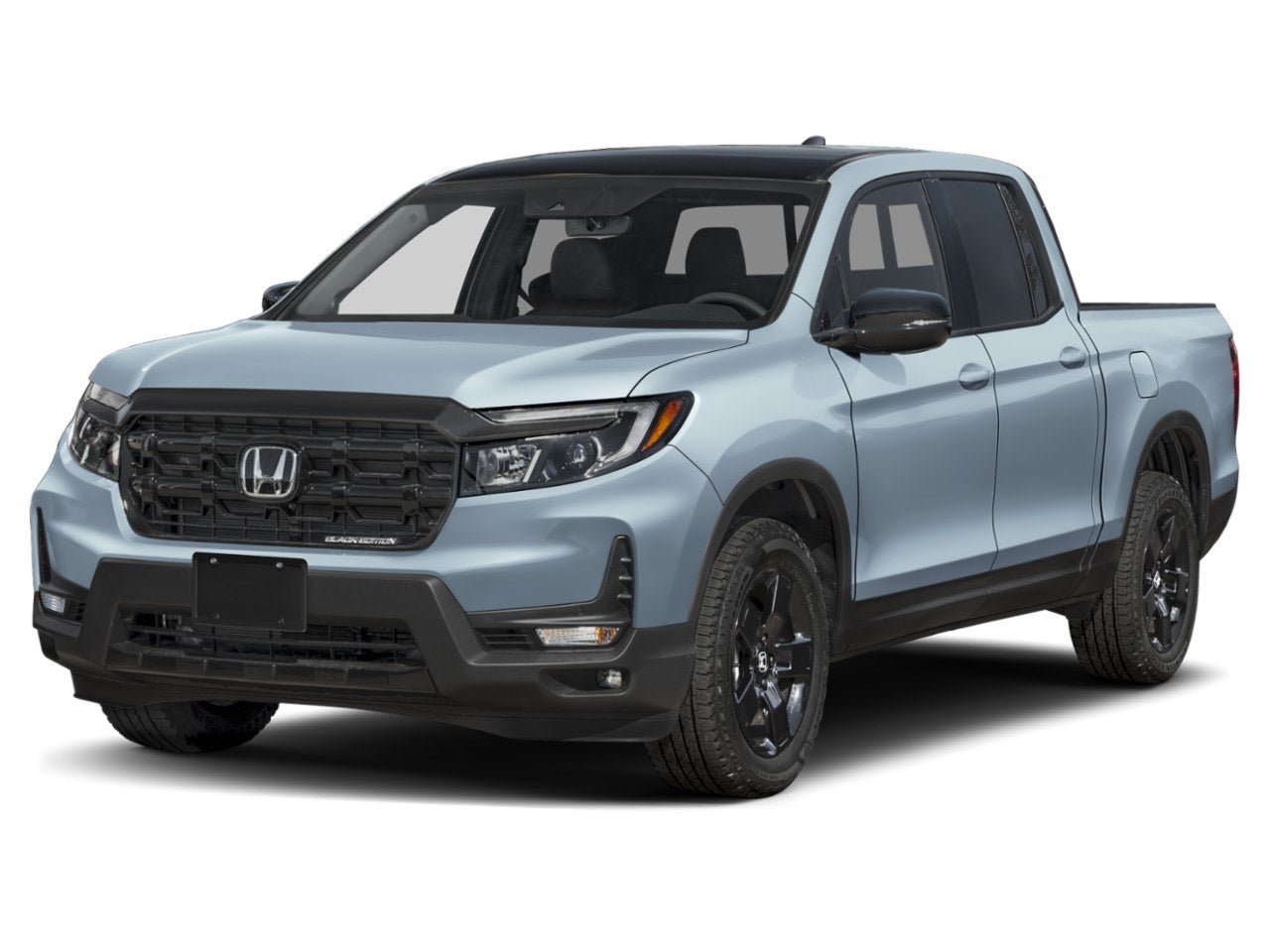
2026 Honda Ridgeline Black Edition Two-Tone front three-quarter exterior
THE SHORT ANSWER
For hauling on Annandale weekends, the 2026 Honda Ridgeline is the stronger choice. Its open bed, lockable in-bed trunk and standard all-wheel drive carry dirty, bulky and tall loads that would otherwise end up inside your cabin, while it still seats five in SUV-like comfort.

Weekends around Annandale usually come with cargo: mulch for the yard, a bike for the trails, a cooler for the lake. At Clinton Honda we sell both the Ridgeline and the Passport, and one of the most common questions we hear is which one hauls better. This guide starts from zero, defines the terms as we go, and lands on a clear answer: for real weekend hauling, it's the Ridgeline.

Ridgeline vs Passport: The Basics

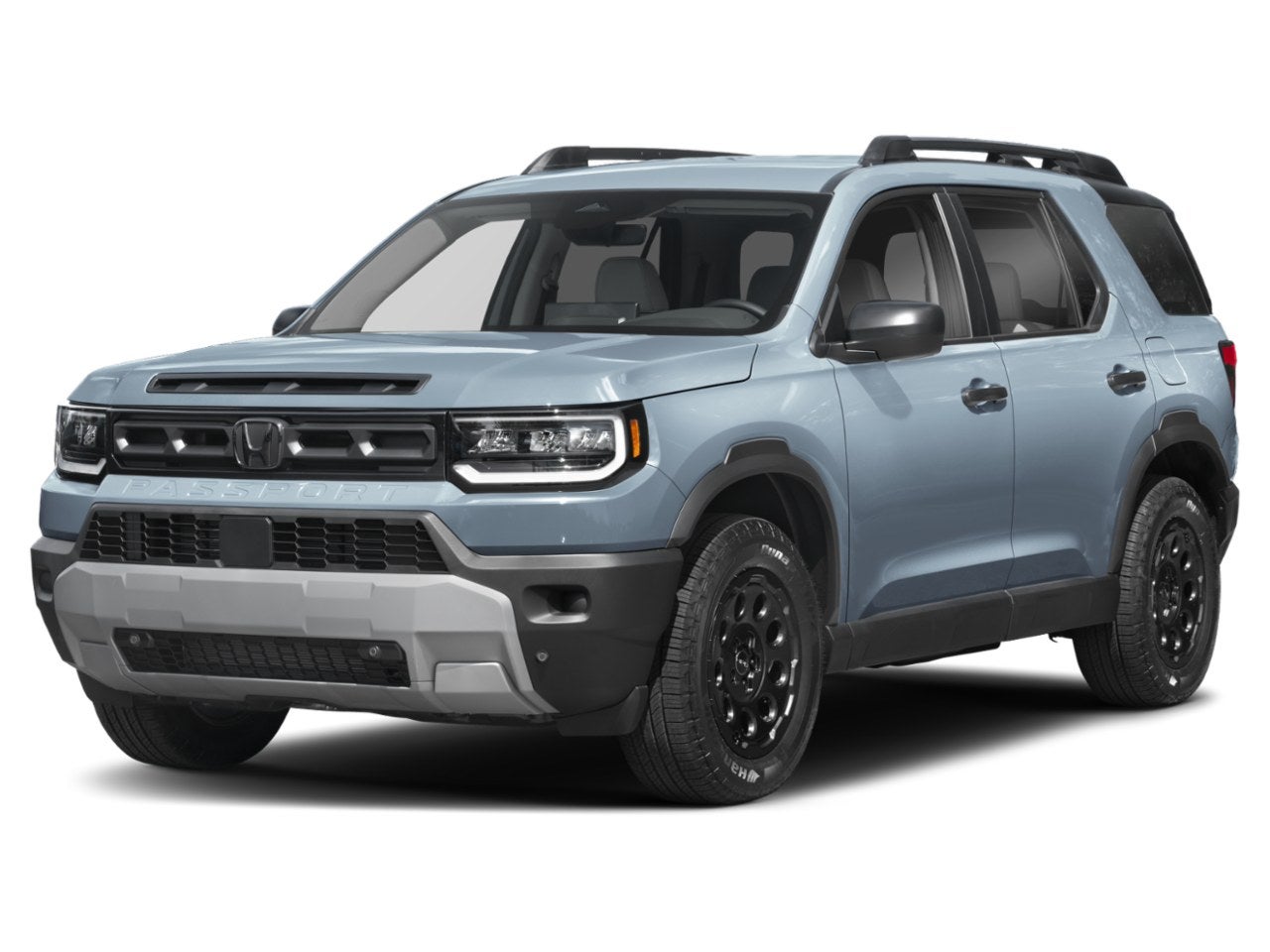
2026 Honda Passport RTL Towing front three-quarter exterior

These two Hondas have more in common than most people expect. The Ridgeline is a midsize pickup truck, with a cabin up front for people and an open bed in back for cargo. The Passport is a midsize SUV, where the cargo area shares one enclosed body with the seats.

A few terms worth knowing

  • Unibody: the body and frame are built as one structure, the way most SUVs are made. Unlike many pickups, the Ridgeline uses one, so it drives with SUV-like comfort.
  • All-wheel drive (AWD): a system that sends power to all four wheels as traction requires.
  • Trim: a version of a model with its own equipment and price.
  • MSRP: manufacturer's suggested retail price, the sticker starting point before taxes, fees and options.

Where the Ridgeline pulls ahead

With its unibody design, you get a truck bed with SUV manners. It seats five, and under the hood sits a 280-hp V6. That pairing explains why it handles weekend loads so well, and you can compare both models side by side in our new Honda inventory.

Ridgeline Bed vs Passport Cargo Area

2026 Honda Ridgeline dashboard

Hauling comes down to where your stuff goes. In the Ridgeline, it rides in a bed with 33.9 cubic feet of cargo space, open to the sky. Dirty, wet or awkwardly tall loads go there without a second thought: bags of mulch from a garden center on Route 31, a muddy bike after a ride at Point Mountain, a cooler packed with ice.

Two Ridgeline features beginners overlook

  • In-bed trunk: a lockable, weather-sealed storage well under the bed floor. Groceries, tools or wet swimsuits stay there, out of sight.
  • Dual-action tailgate: it folds down like a normal tailgate or swings open to the side like a door, so you can step right up to the bed.

What about the Passport's enclosed space?

The Passport keeps cargo inside and out of the weather, and that's a fair point in its favor. Ridgeline owners get the same peace of mind from the in-bed trunk for anything that needs to stay locked and dry. Meanwhile the open bed stays free for big, messy loads, so nothing muddy ever has to touch your carpet.

Ridgeline Power, AWD and Fuel Economy

2026 Honda Ridgeline side exterior

That V6 earns its keep when the bed is full. Merging onto I-78 with a load of firewood, or climbing the back roads toward Califon, you want power in reserve. No Ridgeline trim gets a smaller engine, so you never trade muscle for price.

Reading the fuel economy numbers

Fuel economy is shown in mpg, or miles per gallon, usually as city, highway and combined. Most Ridgeline trims rate 18 city and 24 highway. TrailSport versions give up a little on the highway, at 23, with a combined rating of 20.

Why AWD matters on weekends

AWD isn't only for snow, though Hunterdon County winters make a strong case for it. Wet grass at a campsite, a gravel trailhead lot and a slick boat launch all reward extra traction. On the 2026 Ridgeline, standard all-wheel drive comes on every trim, so you don't have to step up a level or pay for an option to get it. That's one less decision to make, and one more reason the Ridgeline handles a loaded-up Saturday with confidence.

Picking the Right Ridgeline Trim

2026 Honda Ridgeline rear three-quarter exterior

Six 2026 Ridgeline trims share the same engine, AWD and bed, so your choice comes down to style and focus rather than capability. Pricing starts at $40,795 for the Sport and tops out at $47,895 for the Black Edition Two-Tone.

The lineup, in plain terms

  • Sport: the entry point, with the full Ridgeline hauling setup.
  • RTL: the step up from Sport.
  • TrailSport: the trail-focused trim, worth a look if your weekends end on gravel and dirt roads.
  • TrailSport+HPD Wheels: the TrailSport with HPD wheels.
  • Black Edition: a black-themed appearance trim.
  • Black Edition Two-Tone: that same look with a two-tone finish.

How to narrow it down

Start with how you spend your weekends. Mostly pavement, yard projects and highway trips to the shore point toward the Sport, RTL or Black Edition versions. Frequent trailheads and unpaved roads make the TrailSport the natural fit. Once you've picked a direction, our team can walk you through financing options and lease programs so you can see what monthly cost works for you, with approval based on your own credit.

Test-Drive the Ridgeline at Clinton Honda

The quickest way to settle this is with your own gear. Bring the bike, the paddles or the cooler you actually use, and load them into a Ridgeline on our lot. Swing the tailgate open both ways, drop a bag into the in-bed trunk, and see how much room is left over.

What to check on your drive

  • Ride quality on rougher pavement, so you feel the unibody comfort for yourself.
  • Power merging onto I-78 or Route 22.
  • Back-seat room for your passengers.
  • How easily you can reach into the bed from the side.

Why shop with us

We've won the DealerRater.com/Cars.com Consumer Satisfaction Award every year since 2015. We were also named the Cars.com NJ Honda Dealer of the Year for 2026. Our team knows these trucks and will answer your hauling questions plainly, without pressure. When you're ready, book a Ridgeline test drive and give yourself an hour to load, drive and compare.

Where
1511 US-22
Annandale, NJ
KEY TAKEAWAYS
  • The Ridgeline's open bed and in-bed trunk handle mulch, bikes and wet gear without touching the cabin.
  • Every 2026 Ridgeline trim has a 280-hp V6 and all-wheel drive, so you pick a trim for style and focus, not capability.
  • A Ridgeline test drive at Clinton Honda with your own gear is the fastest way to see the difference.
FAQ

Common questions

Can the Honda Ridgeline handle winter in Hunterdon County?

Yes. AWD comes on every 2026 Ridgeline trim, which helps on snowy back roads, icy driveways and slushy commutes. Pair it with good winter tires and it's a confident cold-weather truck.

Does the Ridgeline ride like a traditional truck?

No, and that surprises a lot of first-time truck buyers. Its unibody construction gives it a ride much closer to an SUV, so daily driving around Annandale feels comfortable even with an empty bed.

Is the Ridgeline a good family vehicle?

It is. It seats five, and the open bed and in-bed trunk keep sports bags, strollers and muddy gear out of the cabin, which keeps the inside cleaner for your passengers.

Which Ridgeline trim is best for camping and trail weekends?

The TrailSport is built with trails in mind, and the TrailSport+HPD Wheels adds HPD wheels. Both have the same V6, AWD and bed as the rest of the Ridgeline lineup.
Want to see it in person?
Come by for a test drive, or browse what is on the lot right now.
Or call (908) 255-1985 · 1511 US-22, Annandale
Posted in:

Related Posts

2026 Honda Prelude Hybrid Two-Tone front three-quarter exterior

What We Know So Far About the 2027 Honda Prelude's Return

THE SHORT ANSWER Honda has confirmed the Prelude returns as a hybrid coupe built on Civic underpinnings, using a two-motor hybrid system similar to the Civic Hybrid. Treat anything past that, including pricing, trims and performance numbers, as unconfirmed until Honda announces it, and plan your next steps around the facts you have. You're stopped at a light on Route 31, scrolling a video that swears the Prelude is coming back with a giant turbo and a stick shift. By the time the light turns green, you've seen two more clips that say the opposite. We hear some version of that story at Clinton Honda in Annandale all the time, so let's walk through what Honda has actually said, what's still guesswork, and what you can do at each stage between now and the day one rolls onto our lot. IN THIS POST Stage One: What Honda Has Confirmed Stage Two: Understanding the Hybrid Powertrain Stage Three: Styling Cues From the Concept Stage Four: Sorting News From Noise as Updates Roll In Stage Five: When to Expect It at Clinton Honda Stage Six: What to Do While You Wait Stage Seven: When It Arrives, Drive It Before You Decide Key takeaways Start with the short list, because it's shorter than the internet makes it look. Honda has said the Prelude is coming back as a hybrid coupe that rides on Civic underpinnings. Power comes from a two-motor hybrid system in the same family as the one in the Civic Hybrid. That foundation tells you a lot. A Civic-based platform points to a compact, front-drive layout and a chassis Honda's engineers already know how to tune for a sharp, connected feel. Going hybrid means this Prelude is built for smooth, responsive everyday driving rather than chasing the old high-revving formula. What hasn't come from Honda yet Price, trim names, option packages and final performance numbers haven't come from Honda. When a video quotes exact figures, it's someone's guess or a number borrowed from another market. Treat Honda's own announcements as the line between fact and rumor, and you won't get your hopes pinned on something that changes later. We'd rather you walk in knowing a little less but knowing it accurately. That's a better place to shop from than a pile of contradicting clips. Stage Two: Understanding the Hybrid Powertrain If you've driven a Civic Hybrid, you already have a feel for what's under the Prelude's hood. Honda's two-motor setup works differently from a gas engine bolted to a conventional transmission. Most of the time an electric motor drives the wheels while the gas engine works mainly as a generator, and at steady highway speeds the engine can connect directly to the wheels. What that means on your drive Picture pulling out of a shopping center onto Route 22, or merging onto Route 78 near Annandale. Electric motors deliver their push right away, so that first squeeze of the pedal feels quick and immediate instead of waiting on a downshift. In stop-and-go traffic, the car leans on its electric side, which tends to feel quiet and smooth. Why a sporty coupe went hybrid Some longtime fans hear the word hybrid and worry the fun got engineered out. Honda's pitch is the opposite: instant response, a planted chassis borrowed from the Civic, and tuning aimed at drivers who enjoy a winding road. There's also software Honda has discussed that makes the hybrid feel more engaging when you push it. You'll judge the final result best from the driver's seat, not from a spec sheet. Stage Three: Styling Cues From the Concept Honda showed the Prelude Concept at the Japan Mobility Show in 2023, and that car is the clearest preview of the production look. It's a low, wide two-door with a long hood, a fastback roofline and a clean body with very few creases. Up front, slim headlights give it a modern face that doesn't shout. Out back, a full-width taillight ties the rear together. Proportions do the heavy lifting here, since a coupe that sits low and wide looks planted even parked in your driveway. Concept versus showroom Concept cars nearly always change on the way to production. Mirrors grow, bumpers adjust for safety rules, wheels often shrink a size, and interior details get more practical. Use the concept as a sense of direction, not a promise down to the last trim piece. Overall shape and attitude usually survive that trip. If the concept's silhouette is what caught your eye, that's a reasonable thing to get excited about. Small details are where we'd hold off judgment until Honda shows the finished car. Stage Four: Sorting News From Noise as Updates Roll In Between now and launch, expect a steady drip of news. Here's the order details usually come out for a new Honda, and how much weight each deserves: Official reveal photos and press releases: solid, straight from Honda. Trim names and feature lists: reliable once Honda publishes them, though some features vary by market. Pricing: typically among the last details announced, often close to the on-sale date. Spy shots and leaked dealer paperwork: interesting, but easy to misread. Forum estimates: entertaining, rarely final. One quick test sorts most of it out. Ask where a claim came from. If the answer is Honda, take it seriously; if it's a friend of a friend, wait. We keep an eye on what Honda shares and pass it along when customers ask. Got a rumor you'd like checked? Reach out to our team and we'll tell you honestly whether it matches anything Honda has announced or still belongs in the speculation pile. Stage Five: When to Expect It at Clinton Honda Once Honda sets a launch date, the rollout to dealerships follows a familiar pattern. Early allocation tends to be limited, especially for an enthusiast model with this much buzz, and the first cars often go to drivers who've already told their dealer they're interested. Our part in the timeline We'll share arrival news as soon as Honda gives it to us, and we'll be straight with you about timing. Nobody here will promise a delivery date that Honda hasn't given us. We've won the DealerRater.com/Cars.com Consumer Satisfaction Award every year since 2015, and we were named the Cars.com NJ Honda Dealer of the Year for 2026. Those mean a lot to us, and they're a big reason we keep the process honest and simple, especially on a car people are this excited about. When Preludes start showing up, they'll appear in our new Honda inventory alongside the rest of the lineup. Checking there, or just letting us know you're interested, is the easiest way to stay in the loop. Stage Six: What to Do While You Wait Waiting doesn't have to mean sitting still. A few steps now can make the day the Prelude arrives a lot easier. Get your numbers in order If you're trading in your current car, know its value early. Our trade-in value tool gives you a starting point, and it's worth checking again closer to launch since values shift over time. Thinking about financing? Talking through options ahead of time helps you set a comfortable monthly budget. Approval and terms always depend on your credit and the lender, so nothing is settled until that review happens. Decide what matters to you Jot down your answers to a few questions: Is this your daily driver, or a weekend car for the back roads around Hunterdon County? Will you carry passengers in the back now and then, or is it mostly just you? How much does fuel economy weigh against pure driving feel? Those answers help you pick a trim quickly once Honda announces them, instead of deciding under pressure on the day. Where 1511 US-22 Annandale, NJ Call (908) 255-1985 KEY TAKEAWAYS Confirmed: a hybrid coupe on Civic underpinnings with a two-motor system like the Civic Hybrid's. Prices, trims and performance numbers floating around online are speculation until Honda announces them. Get your trade value and budget sorted now, then test drive the car once it arrives. FAQ Common questions Is the 2027 Honda Prelude confirmed to be a hybrid? Yes. Honda has confirmed the Prelude returns as a hybrid coupe built on Civic underpinnings, using a two-motor hybrid system similar to the one in the Civic Hybrid. Will the new Prelude have a manual transmission? Honda's two-motor hybrid system doesn't use a conventional multi-speed gearbox, so a traditional clutch-and-stick setup isn't part of how it works. Honda has talked about software that makes the hybrid feel more engaging when you drive it hard, and that's the piece to watch as more news comes out. Can I get on a list for a Prelude at Clinton Honda? Let us know you're interested and we'll reach out as Honda shares arrival details. We'll be honest about timing and won't promise a delivery date before Honda gives us one. How is the Prelude different from a Civic Hybrid? They share underpinnings and the same style of two-motor hybrid system. The Prelude is a two-door coupe with lower, sportier styling and a focus on driving feel, while the Civic Hybrid is the more practical everyday choice. Want to see it in person? Come by for a test drive, or browse what is on the lot right now. Schedule a test drive Browse new inventory Or call (908) 255-1985 · 1511 US-22, Annandale Or keep browsing Current offers Financing Value your trade Book service Contact us Used cars

2026 Honda Passport RTL Blackout front three-quarter exterior

Honda Passport vs Honda Pilot: Which One Fits Your Annandale Garage?

THE SHORT ANSWER The Honda Pilot offers three rows of seating and standard room for up to eight passengers, making it the ideal family hauler. The Honda Passport removes the third row to maximize cargo space, ground clearance, and rugged capability for outdoors-focused drivers. Choose the Pilot for family carpooling or the Passport for adventurous weekends across New Jersey. A common mistake shoppers make when comparing midsize Honda SUVs is assuming the Passport is just a cut-down Pilot with identical daily habits. While both share a strong midsize platform and proven V6 power, their interior layouts and driving missions cater to entirely different lifestyle demands. At Clinton Honda in Annandale, we regularly guide local drivers through this exact decision so you end up with the right fit for your garage. Head-to-Head Comparison Sheet Evaluating key features side by side highlights where each SUV shines for local drivers. Here is how these two capable midsize models compare across core utility categories. Feature Honda Passport Honda Pilot Standard Seating Capacity 5 Passengers 7 to 8 Passengers Seating Rows 2 Rows 3 Rows Primary Focus Rugged Utility & Outdoor Cargo Family Passenger Transport Ground Clearance Higher Stance for Off-Roading Balanced Height for Easy Entry Ideal Driving Environment Back Roads & Unpaved Trails Highway Commuting & Carpools Reviewing these points side by side makes choosing between them straightforward based on your garage space and passenger count. If you prefer to look at pre-owned models, check out our used cars to explore available options. Our Take Our clear verdict comes down to how you plan to use your SUV every day. The Honda Pilot remains our overall pick for most suburban households because its three-row versatility handles everything from daily school runs to cross-country road trips without compromise. It offers exceptional long-term utility for growing families who need adaptable passenger seating. The Honda Passport stands out as the clear choice for drivers who want a rugged, highly capable crossover without carrying around an unused back row. Its bold stance and impressive cargo storage fit outdoor weekend adventures perfectly. We were named the Cars.com NJ Honda Dealer of the Year for 2026, and our team is ready to show you both models side by side. Visit our showroom in Annandale to compare seating, cargo space, and garage dimensions in person. Schedule a personal drive by choosing to book a test drive today. Size and Seating Many shoppers start their search by examining physical dimensions and seating capacity. The Honda Pilot features three full rows, accommodating up to eight passengers depending on whether you choose a second-row bench or captain's chairs. This layout gives growing families the seating flexibility needed for team carpools and holiday road trips around New Jersey. In contrast, the Honda Passport eliminates the third row entirely to focus strictly on a spacious two-row setup for five occupants. Removing that rear row frees up significant second-row legroom and creates an open, unobstructed rear cargo area. Passengers in the back seat of the Passport enjoy generous stretch-out room without feeling cramped by third-row encroachment. Parking both vehicles inside an average suburban garage requires looking closely at total body length. The Pilot extends slightly longer to accommodate its third row, which may require measuring your garage space carefully before bringing one home. For tight driveway turnarounds or shorter residential garages, the trimmed overall length of the Passport offers a distinct advantage. Interior Layout and Passenger Space Daily Cabin Comfort Stepping inside both models reveals distinct cabin designs tailored to different vehicle roles. The Honda Pilot cabin emphasizes passenger comfort and interior storage versatility for full loads. Clever cubbies, multi-tier door pockets, and abundant cup holders keep family gear organized across all three seating rows. You can review new inventory options to explore different seating configurations and interior finishes. Second-Row Convenience Honda Pilot: Offers easy one-touch folding second-row seats for effortless third-row access. Honda Passport: Delivers exceptionally wide second-row door openings and generous legroom. Choosing between them comes down to how often you carry more than four passengers. If back-seat passengers are usually adults or older teenagers, the open legroom of the Passport provides immediate comfort. When carpooling children and school gear is your primary mission, the extra row in the Pilot becomes indispensable. Off-Road vs On-Road Comfort Driving dynamics differ noticeably once you get behind the wheel on local highways and winding country lanes. The Honda Pilot prioritizes smooth highway riding, isolating road imperfections and road noise for long family trips. Its tuned suspension absorbs bumps effortlessly on Route 31, keeping every passenger relaxed across all three rows. All-Terrain Capability Honda Passport: Features higher ground clearance and aggressive approach angles for rough terrain. Honda Pilot: Emphasizes refined suspension tuning for stable, composed pavement cruising. When taking weekend trips off the beaten path, the extra riding height of the Honda Passport offers added confidence over rutted dirt roads and unpaved park trails. Shorter overhangs help it clear steep driveway entrances and unpaved paths with ease. On pavement, both SUVs handle with crisp steering precision, but the stiffer stance of the Passport gives it an athletic feel around sharp turns. Towing and Cargo Flexibility Cargo practicalities often dictate which SUV works best for home improvement projects and outdoor hobbies. The Honda Passport excels in raw cargo volume behind its second row, featuring a low floor and wide tailgate opening. Under-floor storage compartments keep muddy boots, tools, or valuable equipment out of sight. You can evaluate your current vehicle's trade value using our value your trade tool to plan your upgrade. Towing and Utility Both vehicles handle recreational trailering duties with impressive composure across Hunterdon County. Pulling a boat to Spruce Run Reservoir or hauling utility trailers is easy thanks to robust V6 muscle. Honda Pilot: Balances cargo volume across folded seat rows while retaining pulling power for camping trailers. Honda Passport: Maximizes flat cargo floor utility behind the second row for large boxes and sports equipment. If hauling cargo matters more than carrying extra passengers, the wide floor of the Passport wins out. For family vacations requiring both luggage space and seating, the folding seats of the Pilot offer versatile loading options. Which One Fits Hunterdon County Driving Navigating central New Jersey roads presents seasonal challenges from winter snowstorms to narrow country roads. The Honda Pilot delivers planted stability on icy morning commutes along Route 22, giving parents peace of mind during bad weather. Intelligent traction management modes allow both models to adjust power delivery for snow, sand, or mud conditions. Local drivers frequenting local parks or rural farms will appreciate the rugged build of the Honda Passport during off-pavement trips. Extra ground clearance protects the underbody when tackling snow-covered secondary roads or unpaved trailheads. Our team knows how local weather impacts daily commutes throughout the county. Clinton Honda has won the DealerRater.com/Cars.com Consumer Satisfaction Award every year since 2015, proving our commitment to helping local drivers choose the perfect vehicle. You can explore competitive payment choices through our financing center to fit your household budget. Where 1511 US-22 Annandale, NJ Call (908) 255-1985 KEY TAKEAWAYS The Honda Pilot features three seating rows and expansive passenger space for larger families. The Honda Passport trades extra seating for higher ground clearance and rugged cargo utility. Both Honda SUVs deliver confident handling on Route 31 and Hunterdon County back roads. FAQ Common questions How much longer is the Honda Pilot compared to the Honda Passport? The Honda Pilot is slightly longer overall than the Honda Passport to accommodate its third row of seating. The shorter length of the Passport makes it easier to park in compact suburban garages. Do both the Honda Passport and Honda Pilot come with all-wheel drive? Yes, both models offer available intelligent all-wheel-drive systems designed to manage snow, rain, and off-road terrain across Hunterdon County. Which SUV has more cargo space behind the second row? The Honda Passport offers more standard cargo space behind its second row because it omits the third row, featuring a lower cargo floor and extra under-floor storage. Can adults sit comfortably in the third row of the Honda Pilot? Yes, the third row in the Honda Pilot is designed to accommodate older children and adults comfortably on short to mid-length trips, with easy access via one-touch folding second-row seats. Which vehicle is better suited for light off-roading? The Honda Passport features higher ground clearance and shorter body overhangs, making it better suited for unpaved trails, rutted dirt roads, and rough winter conditions. Want to see it in person? Come by for a test drive, or browse what is on the lot right now. Schedule a test drive Browse new inventory Or call (908) 255-1985 · 1511 US-22, Annandale Or keep browsing Current offers Financing Value your trade Book service Contact us Used cars

2026 Honda Civic Type R front three-quarter exterior

Honda Civic Type R Drive Modes Explained

THE SHORT ANSWER The Civic Type R's drive modes change throttle response, steering weight and suspension stiffness together, letting the same car settle down for a commute or sharpen up for a back road. Comfort, Sport and +R each adjust those systems by a different amount, and an Individual setting lets you mix them to taste. You pull out of the Clinton Honda lot onto Route 78, ease into the on-ramp, and tap a button on the steering wheel without even thinking about it. For most commuters that's where the drive mode story ends. For Civic Type R drivers in Annandale, it's really just the beginning, because that one button changes how the whole car behaves. IN THIS POST What Drive Modes Actually Do Comfort Mode Explained Sport Mode Explained +R Mode Explained How Each Mode Changes the Drive When to Use Which Mode on Route 78 Everyday Livability Getting a Feel for It Yourself Key takeaways What Drive Modes Actually Do A drive mode isn't a gimmick layered on top of the car. It's a set of instructions the Type R's computer sends to the throttle, the steering rack, the adaptive dampers and the exhaust valve all at once, so several systems shift together instead of one at a time. Think of it as the car reading your mood. Flip a switch and the same Civic Type R that glides over potholes near the Round Valley exit can tighten up and feel planted through a sweeping curve ten minutes later. The goal is flexibility. Honda built one chassis that has to work for a grocery run, a daily commute, and the occasional spirited back-road drive, and drive modes are how it pulls that off without you needing three different cars. Comfort Mode Explained Comfort is the setting most owners leave the car in for daily driving. Steering effort stays light, the suspension softens to soak up the seams and patch jobs you find on local roads, and throttle response eases off so the car doesn't lurch every time you touch the pedal. The exhaust note quiets down too, which matters if you're leaving early for work and don't want to wake the neighborhood. This mode trades outright sharpness for a relaxed, predictable feel. Softer suspension for rough pavement Lighter steering for parking lots and tight turns Calmer throttle for smooth takeoffs in traffic It's the mode that makes a Type R livable rather than exhausting, which is exactly the point for a car meant to be driven every day, not just on weekends. Sport Mode Explained Sport sits in the middle, and it's where a lot of drivers land once they get comfortable with the car. Steering weight builds up, giving you more feedback through turns, while throttle response sharpens so the car reacts closer to real time instead of smoothing things out. The suspension firms up a step from Comfort without going full stiff, so you still feel confident hitting an uneven patch of road. It's a good choice for a backed-up commute that still has a few open stretches, or for a drive where you want the car a little more alert without committing to anything extreme. Many owners describe Sport as the setting that makes the car feel like itself: quick, communicative, but not demanding constant attention. It's a reasonable default for anyone who wants more engagement than Comfort offers but isn't headed somewhere with hard corners and elevation changes. +R Mode Explained +R is the sharpest setting, built for the moments when you actually want to feel every input. Throttle response gets its most immediate mapping, steering firms up to its heaviest weight, and the adaptive dampers lock into their stiffest tune so the car stays flat through quick direction changes. The exhaust opens up here too, so the car sounds as alert as it feels. Rev-matching on downshifts becomes more aggressive, helping the car settle faster when you brake hard into a corner. +R isn't meant for potholed side streets or a daily grind through stop-and-go traffic. It's meant for a clear stretch of twisty road or a track day, where the stiffer ride and heavier controls pay off instead of wearing you down. Drop into +R on a rough commute and you'll feel every expansion joint; save it for roads that reward the extra sharpness. How Each Mode Changes the Drive It helps to separate the systems that drive modes actually touch, because each one has a different job. The Three Systems Throttle mapping decides how quickly the engine responds to your foot, steering assist decides how much effort it takes to turn the wheel, and the adaptive dampers decide how firm or soft the suspension feels over bumps. Comfort relaxes all three, +R tightens all three, and Sport lands in between. Individual Mode Many Type R drivers don't realize there's also an Individual setting that lets you mix and match, say firm suspension with lighter steering, so you can build a combination that suits your own roads and preferences rather than picking one of the three preset personalities. It's worth experimenting with once you know how the main three feel, since the right combination for a daily driver in Annandale might differ from what a weekend track regular wants. When to Use Which Mode on Route 78 Local roads make this easier to picture than any spec sheet. Heading onto 78 during the morning crawl toward Bridgewater or Union, Comfort keeps the ride relaxed and takes the edge off stop-and-go traffic. Once traffic opens up past Clinton, or you're running errands around town, Sport adds some liveliness without turning the commute into work. Save +R for the roads where the Civic Type R is really built to shine, places like the curves along Route 513 or a clear backroad loop through Hunterdon County on a weekend morning when you've got room to use the car the way its engineers intended. Switching modes costs nothing and takes a second, so there's no reason to pick one and stick with it. Match the mode to the road in front of you, not the one you expect later. Everyday Livability One of the things that surprises people testing a Civic Type R for the first time is how normal it feels in Comfort. This isn't a car that demands you drive it hard just to keep it happy; it's built to disappear into daily life when you need it to and wake up when you don't. That range is really the whole point of having drive modes in the first place. A car this capable could easily have been built stiff and loud all the time, but Honda clearly wanted the Type R to work as a real daily driver, not just a weekend toy. Parents doing school drop-off, commuters fighting 78 traffic, and weekend canyon carvers are all driving the same car, just in different modes. That flexibility is a big part of what makes the Type R stand out from stricter track-focused hatchbacks that sacrifice everyday comfort for sharpness. Getting a Feel for It Yourself Reading about drive modes only gets you so far. The difference between Comfort and +R is something you feel in your hands and through the seat, not something that fully comes across on paper. If you're curious how the Civic Type R responds on roads you actually drive, the best next step is to book a test drive and try a few modes back to back around Annandale. Bring your regular commute route if you can, since that's the drive that matters most day to day. We've worked with plenty of local drivers weighing a Type R against their daily routine, and Clinton Honda has picked up the DealerRater.com/Cars.com Consumer Satisfaction Award every year since 2015, along with being named the Cars.com NJ Honda Dealer of the Year for 2026. If questions come up about ownership costs or trading in your current car, our financing and trade-in teams can walk through the details with you. Where 1511 US-22 Annandale, NJ Call (908) 255-1985 KEY TAKEAWAYS Comfort, Sport and +R each adjust throttle, steering and suspension together, not one at a time Comfort suits daily commuting on rough or congested roads, while +R is built for open, smooth stretches Individual mode lets you combine settings from different modes to match your own driving FAQ Common questions Does switching drive modes affect fuel use? Throttle mapping and suspension stiffness change how the car responds, but we don't have official fuel economy figures broken out by mode, so it's best to treat Comfort as the more relaxed, efficient choice for daily driving without relying on a specific number. Can I switch modes while driving? Yes, the mode switch works on the fly, even while moving, so you can drop from Sport to Comfort the moment traffic picks up or road conditions change. Is +R mode too stiff for regular roads? Most drivers find +R firm enough that it's better saved for smooth, open roads or a track day, since the stiffest suspension setting tends to transmit every bump and seam on rougher local streets. What does Individual mode let me change? Individual mode lets you combine settings from the other modes, like pairing a stiffer suspension with lighter steering, so you can build a setup that fits your own driving instead of using one of the three presets as-is. Which mode should I use for a test drive at Clinton Honda? Starting in Comfort and working up to Sport and +R during your test drive gives you the clearest sense of the range, and our team can guide you through each one so you know what you're feeling. Want to see it in person? Come by for a test drive, or browse what is on the lot right now. Schedule a test drive Browse new inventory Or call (908) 255-1985 · 1511 US-22, Annandale Or keep browsing Current offers Financing Value your trade Book service Contact us Used cars