
- Myth: Peak color makes any day a good driving day
- Myth: Tires only need attention before a long highway trip
- Myth: Clear glass means the vehicle is ready for changing weather
- Myth: Daylight means headlights are optional
- Myth: A phone is all the navigation and emergency equipment you need
- Myth: Scenic roads are quiet enough to ignore wildlife and pedestrians
- Myth: Passengers can bring whatever they want as long as it fits
- Myth: A quick look in the driveway is enough for an older vehicle
- Key takeaways
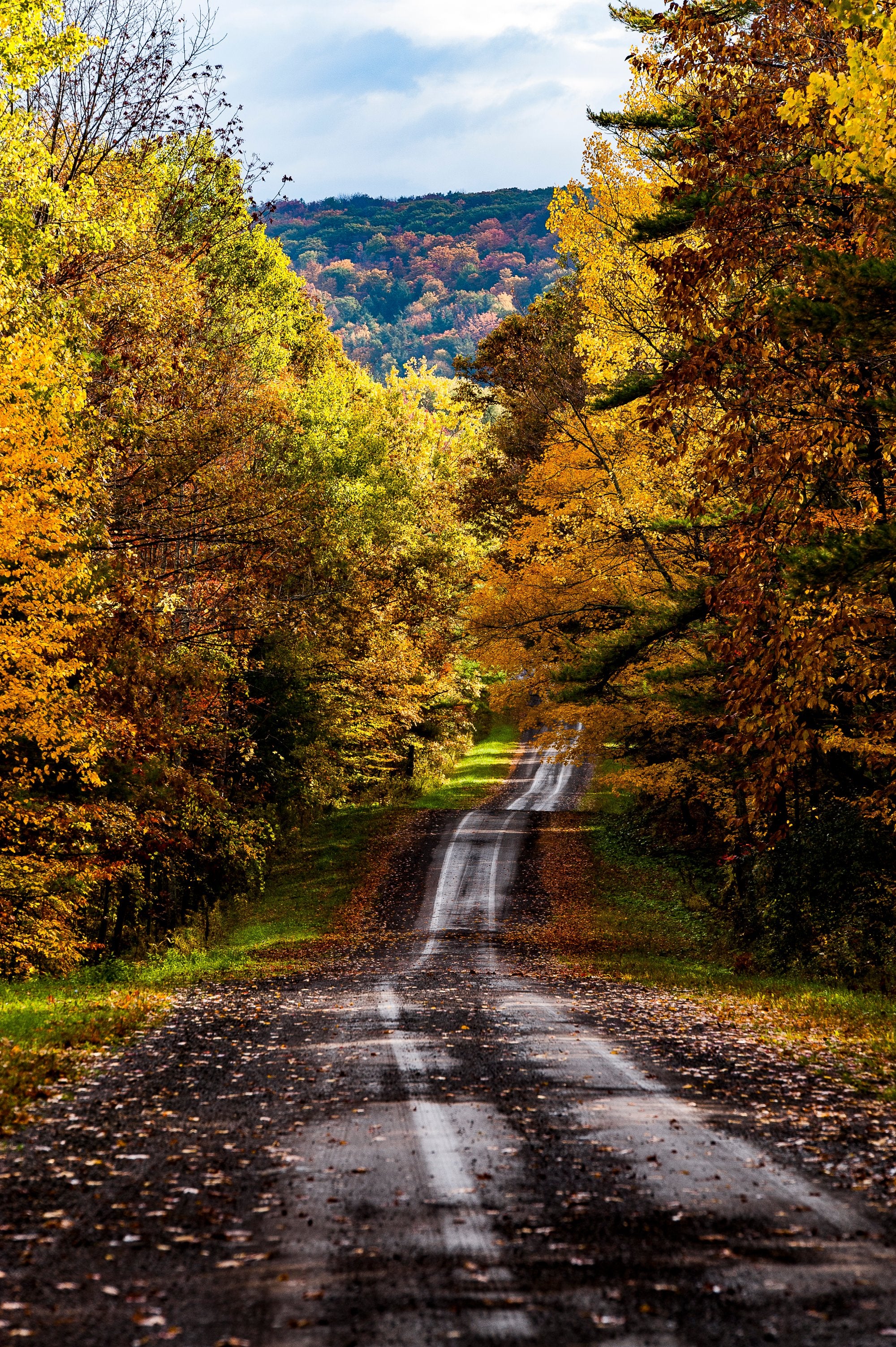
Myth: Peak color makes any day a good driving day
Fact: The best-looking weekend may not be the best time for a relaxed drive. Peak foliage often brings heavier traffic, full parking areas, pedestrians near overlooks, and drivers slowing suddenly to take in the view. Check the forecast, road conditions, and destination parking before you leave, then give yourself more time than the map suggests.
A weekday morning can make the trip calmer, but it still deserves a weather check shortly before departure. Rain can reduce visibility and cover painted lane markings, while a sunny afternoon may put glare directly in your windshield. Pick a route with several safe stopping points, and avoid pulling onto a shoulder or narrow roadside just to photograph a tree.
If a scenic road is unfamiliar, review its turns and elevation changes before starting. Download directions or save an offline map in case service drops along the way. Your goal is not to see every overlook; it is to enjoy a route you can drive without rushing.
Myth: Tires only need attention before a long highway trip
Fact: A short mountain road or winding rural route can challenge tires just as much as a long interstate drive. Look for uneven wear, cracks, bulges, and objects caught in the tread. Check pressure with a reliable gauge while the tires are cold and adjust it to the vehicle maker's recommendation, not a guess based on how the tire looks.
Proper pressure helps the vehicle feel more predictable through wet curves and during braking. Tread depth matters because leaves, rain, and cool pavement can reduce grip, especially where roads stay shaded. If the steering wheel vibrates, the vehicle pulls to one side, or the tires look damaged, have them inspected before your trip.
Do not forget the spare tire or tire repair kit. Confirm that the jack and lug wrench are present and that you know where they are stored. If your vehicle uses a tire-pressure monitoring system, treat a warning as a reason to stop and investigate rather than something to reset and ignore.
Myth: Clear glass means the vehicle is ready for changing weather
Fact: Visibility depends on more than a clean windshield. Worn wiper blades can smear rain across the glass, and a dirty inside surface can turn low autumn sun into a broad glare problem. Clean both sides of the windshield, inspect the blades for cracking or skipping, and replace them if they leave untreated patches.
Check the washer reservoir before leaving and carry extra fluid if your route takes you far from services. Use a seasonally appropriate washer fluid for your expected temperatures; plain water can freeze and may not cut road film effectively. Clean the side mirrors and rear camera lens too, since spray and dust often collect there without being obvious from the driver's seat.
A small microfiber cloth in the cabin helps with quick cleaning, but never wipe the windshield while driving. Pull into a safe location first. If defogging takes unusually long, the climate controls behave strangely, or moisture keeps returning to the glass, schedule an inspection before the trip.
Myth: Daylight means headlights are optional
Fact: Autumn sun sits lower in the sky, and wooded roads can move from bright conditions into deep shade within seconds. Turn on your headlights whenever visibility is reduced, even if the sky looks clear. Confirm that low beams, brake lights, turn signals, and hazard lights work before you set out.
Ask someone to stand outside while you test the lights, or use reflections from a wall or garage door. Replace a failed bulb promptly and clean cloudy lenses if they are reducing light output. Automatic headlights are useful, but you still need to understand how your vehicle's controls work so you can respond to fog, rain, tunnels, or sudden shade.
Keep sunglasses available for glare, but do not use them after dusk or in dark wooded areas. Leave enough following distance for a driver ahead to brake for a deer, cyclist, or stopped vehicle. Good visibility is a shared responsibility, especially on scenic roads where people may be looking at the landscape instead of traffic.
Myth: A phone is all the navigation and emergency equipment you need
Fact: A phone is useful until the battery is low, the signal disappears, or a road closure sends you onto an unfamiliar detour. Charge the phone before leaving, bring a charging cable that fits the vehicle, and save the route for offline use. Tell someone where you are going and when you expect to return, particularly if the route includes remote parks or back roads.
Build the route around fuel, restrooms, food, and legal parking rather than assuming the next service area will be close. Keep an eye on your remaining fuel and avoid stretching the trip after dark simply to reach one more viewpoint. An old-fashioned printed route or written address can help if the phone fails.
Check park rules and seasonal closures before departure. Some overlooks prohibit roadside parking, restrict pets, or close facilities after a certain hour. Knowing the rules in advance keeps you from making a hurried turn or stopping somewhere unsafe while trying to find an alternative.
Myth: Scenic roads are quiet enough to ignore wildlife and pedestrians
Fact: Wildlife activity can increase around dawn, dusk, and wooded stretches, while visitors may walk between parking areas and viewpoints. Reduce speed where sightlines are short, scan both shoulders, and avoid swerving sharply if an animal enters the road. A controlled stop is usually safer than a sudden move into another lane or toward a ditch.
Watch for cyclists, walkers, motorcycles, and vehicles stopped near a viewpoint. Someone opening a door or stepping out for a photo may not notice approaching traffic. Leave room around parked cars and assume a vehicle ahead may brake without warning when the scenery opens up.
Never stop in a travel lane, on a blind curve, or at the crest of a hill. Use a marked lot or a broad, legal pull-off with clear sight distance. If the lot is full, continue to the next approved stop instead of turning a memorable drive into a roadside hazard.
Myth: Passengers can bring whatever they want as long as it fits
Fact: Loose bags, cameras, water bottles, and folding chairs can become dangerous projectiles during a hard stop. Put heavier items low and secure them so they cannot slide into the driver's footwell or block rear visibility. Keep the area around the pedals, emergency brake, and controls clear.
Wear comfortable layers because temperatures can change between an exposed overlook and a shaded trailhead. Pack water, snacks, a flashlight, basic first-aid supplies, and any medication passengers may need during a longer delay. Add a blanket or extra warm layer if you expect to be outside after sunset.
Before leaving, agree on who handles navigation and where you will stop. The driver should not read directions, take photos, or adjust a complicated route while moving. A calm passenger can manage the phone and watch for signs, leaving you free to focus on curves, traffic, and changing road conditions.
Myth: A quick look in the driveway is enough for an older vehicle
Fact: A vehicle that starts normally can still need attention before a demanding seasonal drive. Pay attention to recent warning lights, unusual noises, fluid spots, weak heating, or braking changes. Those signs do not become less important because the trip is short or scenic.
If you want a professional check before leaving, you can book service with our team. Ask for attention to the items that matter most for your route: tires, brakes, lights, wipers, battery condition, fluid levels, and climate-control operation. A focused inspection helps you address small concerns before they become a problem far from home.
We’ve been helping drivers prepare for changing road conditions at Clinton Honda, and we’ve won the DealerRater.com/Cars.com Consumer Satisfaction Award every year since 2015. We were named the Cars.com NJ Honda Dealer of the Year for 2026. Those facts do not replace your own inspection, but they explain why a pre-trip conversation with a service professional can be worthwhile.
Annandale, NJ
- Check tires, visibility equipment, lights, and fluids before departure.
- Build extra time into the route for traffic, stops, and changing weather.
- Carry basic emergency supplies and make a clear plan for the return trip.
FAQ Common questionsWhat should I check first before a fall foliage road trip?Start with cold tire pressure and tread condition, then inspect the wipers, washer fluid, headlights, brake lights, turn signals, and emergency supplies. Look for warning lights, leaks, unusual noises, or changes in braking and steering before you leave. Is it safer to drive through leaf-covered roads slowly?Reduce speed when leaves cover lane markings, hide potholes, or make the pavement wet. Leave extra following distance, avoid sudden steering or braking, and remember that a leaf-covered shoulder may conceal a drop-off or debris. What should I bring on a scenic fall drive?Bring water, snacks, a charged phone and cable, an offline route, a flashlight, basic first-aid supplies, needed medication, warm layers, and a way to handle a flat tire. Secure bags and equipment so they cannot move around the cabin during braking. How can I prepare for limited cell service?Download maps before leaving, write down key addresses, tell someone your route and return time, and identify fuel or rest stops in advance. Keep the phone charged, but do not rely on it as your only navigation or emergency resource. When should I schedule a pre-trip vehicle inspection?Schedule one before the trip if you notice worn tires, weak brakes, damaged wipers, warning lights, unusual noises, fluid leaks, or any steering change. Even without symptoms, an inspection can be useful before a route with steep grades, heavy traffic, or limited services. |
Want to see it in person? Come by for a test drive, or browse what is on the lot right now. Or call (908) 255-1985 · 1511 US-22, Annandale |