
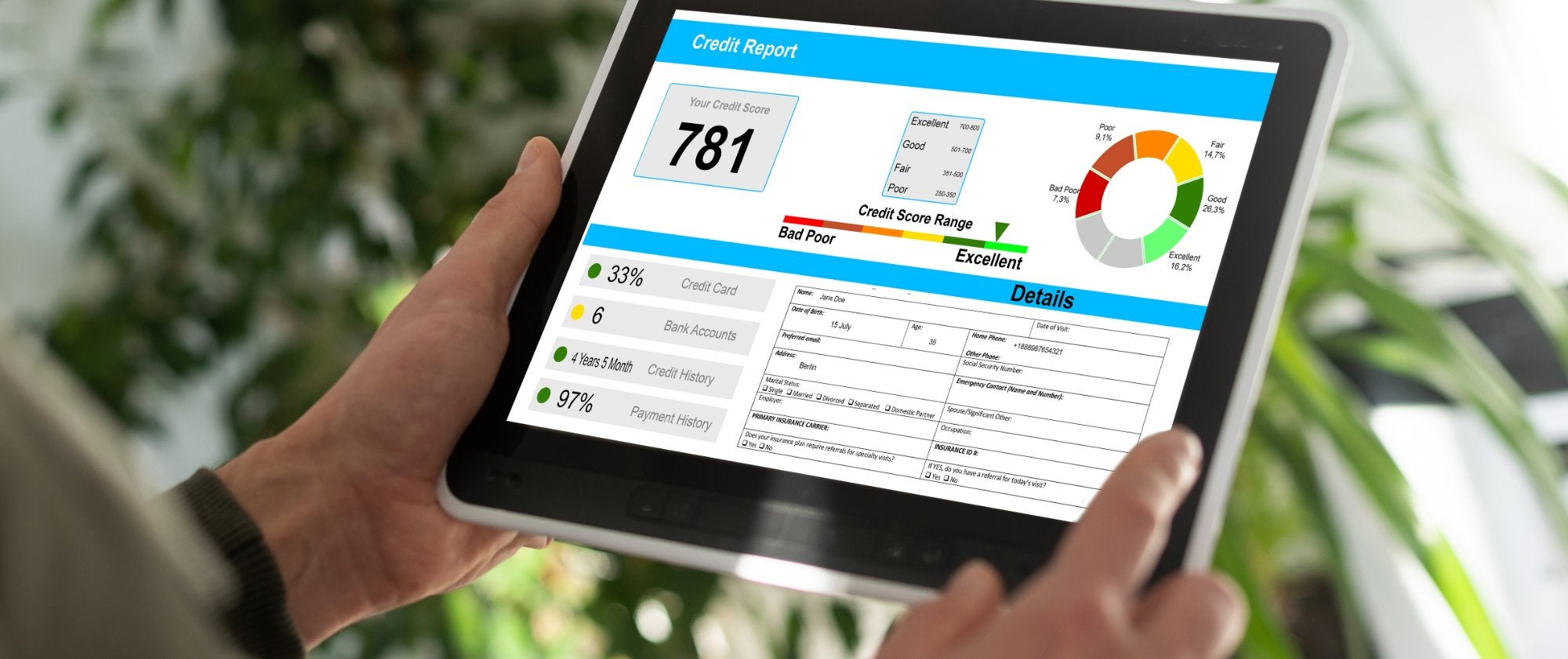
When you set out to buy a vehicle, understanding how your credit profile affects your payment options is the most powerful tool in your belt. At Clinton Honda in Clinton Township, recently named the Cars.com NJ Honda Dealer of the Year for 2026, we believe clarity up front saves you money and stress down the road. Before you even look at a car, grab a free copy of your credit report so you know exactly where you stand and can dispute any errors before a lender sees them.
The Credit Score Spectrum and Auto Loans
Understanding the numbers behind your credit score is the first step toward successful vehicle ownership. Credit scores typically run from 300 to 850, utilizing models like FICO or VantageScore to evaluate your financial reliability.
How Scores are Categorized
Lenders group these scores into tiers that dictate the risk level of the loan. Superprime buyers sit at the top with scores above 780, followed by prime buyers between 661 and 780. Nonprime ranges from 601 to 660, while subprime covers 501 to 600, and deep subprime falls below 500.
Knowing which bracket you fall into helps you anticipate the types of loan offers you will receive. Higher tiers translate directly to lower interest rates and more flexible repayment terms, which keeps your monthly obligation manageable. If your score is on the lower end, you can still secure Financing, but the terms will reflect the higher risk the lender is taking on.
How Lenders View Your Credit Tier
Every financial institution sets its own guidelines, meaning a score that is acceptable to one lender might face scrutiny at another. Your score represents a historical track record of how you handle borrowed money over time.
Risk and Tier Classification
Lenders use your tier classification to determine the probability of the loan being repaid on time. Prime and superprime borrowers represent the lowest risk, so they receive the quickest approvals and the most competitive offers.
Subprime brackets do not automatically disqualify you from purchasing a vehicle, but they do change the structure of the deal. Lenders might ask for additional references, proof of steady employment, or a co-signer to mitigate their exposure. Working with a dealership that has strong relationships with a variety of financial institutions is key to finding a pathway forward.
Interest Rates and the Cost of Borrowing
The interest rate on your auto loan is the price you pay for using the lender's money, and it is heavily tied to your credit tier. Over the life of a loan, a difference of just a few percentage points can add up to thousands of dollars.
The Impact of Rates on Payments
Borrowers in the prime tier enjoy low interest rates that keep the principal balance shrinking quickly with each payment. Conversely, subprime rates are higher to cover statistical risk, which means a larger portion of your monthly payment goes toward interest rather than the vehicle itself.
To visualize this, consider how a higher interest rate affects your buying power. A buyer with excellent credit might afford a more premium vehicle for the same monthly payment as a buyer with challenged credit purchasing a basic model. Checking our Current offers can sometimes help offset high market rates if you qualify for promotional manufacturer terms.
Key Factors Lenders Look at Beyond the Score
Your credit score is a major piece of the puzzle, but it is not the only variable that lenders analyze when reviewing your application. They want to see a complete picture of your current financial health and your ability to support a new monthly obligation.
Income and Employment History
Lenders look closely at your debt-to-income ratio, which compares your monthly debt payments against your gross monthly income. A low debt-to-income ratio indicates breathing room in your budget to take on a car payment.
Your employment stability also carries significant weight during the review process. Showing at least six months at your current job, or a steady career path in the same industry, reassures lenders that your income is reliable. They also look at your payment history on previous auto loans specifically, as a strong track record of on-time car payments can sometimes override a lower overall credit score.
How to Prepare Your Credit Before Buying
Taking a few proactive steps to polish your credit profile before submitting an application can yield substantial savings. Even small improvements in your score can bump you into a higher tier and unlock better interest rates.
Actionable Preparation Steps
Start by reviewing your credit reports from the major bureaus to identify any inaccuracies or outdated information. Disputing credit report errors can result in a quick score increase before lenders see your application.
- Pay down outstanding balances on credit cards to lower your credit utilization ratio.
- Avoid opening new credit accounts or making major purchases in the months leading up to your vehicle purchase.
- Set up automatic payments for all current bills to ensure no late payments damage your score.
Giving yourself a buffer of two to three months to implement these changes can make a noticeable difference in the loan terms you are offered. When you feel ready, you can browse our Used cars to find a vehicle that fits your updated budget perfectly.
Financing Options for Challenged Credit
Having a less-than-perfect credit history does not mean your journey to vehicle ownership has to stop. Specialized financing programs exist specifically to help buyers rebuild their credit while getting behind the wheel of a reliable vehicle.
Strategies for Challenged Credit
One of the most effective ways to secure approval with lower credit is by saving for a substantial down payment. Putting more money down upfront reduces the loan-to-value ratio, which lowers the lender's risk and can help overcome a weak credit score.
Another viable option is finding a creditworthy co-signer who is willing to share responsibility for the loan. A co-signer with good credit reassures the lender, often securing you a lower interest rate than you could obtain on your own. Over time, making consistent, on-time payments on this loan will help rebuild your own credit rating.
Expert Tips for Securing the Best Rates
Securing the best possible terms requires a strategic approach to the entire vehicle buying process. Being prepared and understanding your leverage will help you make a confident decision.
Maximizing Your Buying Power
Keep your loan term as short as you can comfortably afford, as shorter terms typically carry lower interest rates and help you build equity in your vehicle faster. While a longer term lowers your monthly payment, it increases the total interest you pay over the life of the loan.
Clinton Honda has won the DealerRater.com/Cars.com Consumer Satisfaction Award every year since 2015, which reflects our dedication to finding the right financial path for every customer. We encourage you to Value your trade before visiting us, as applying trade-equity toward your purchase is an excellent way to reduce your overall loan amount and secure better terms.
Annandale, NJ
- No universal minimum score exists, but 660 is the typical threshold for prime rates.
- Lenders evaluate your debt-to-income ratio and payment history, not just your score.
- A larger down payment can offset a lower credit score by reducing the lender's risk.
FAQ Common questionsWhat is the absolute lowest credit score to buy a car?There is no official industry-minimum credit score required to finance a car. Subprime and deep subprime programs exist to help buyers with scores below 500, though these loans typically require larger down payments and have higher interest rates. How does an auto loan affect my credit score?Taking out an auto loan will cause a small, temporary dip in your score due to the hard credit inquiry. However, making your monthly payments consistently on time is one of the most effective ways to build a strong credit history and raise your score over the long term. Can I get a car loan with no credit history at all?Yes, establishing credit for the first time is possible through first-time buyer programs. Lenders in these programs usually look for steady employment, a reasonable debt-to-income ratio, or a co-signer to help secure the loan. Is it better to finance through a bank or a dealership?Dealerships often have access to a vast network of local and national lenders, allowing them to compare rates and find options you might not access on your own. Banks are great for pre-approvals, but dealership finance departments can often find promotional rates or specialized terms. How much should I put down if my credit score is low?Aiming for at least ten to twenty percent of the vehicle's purchase price is a smart target if your credit is challenged. A larger down payment reduces the total amount you need to borrow, which makes lenders much more willing to approve your application. |
Know your numbers before you shop Our finance team can walk you through options that fit your budget. Or call (908) 255-1985 · 1511 US-22, Annandale |