
Blog / Honda

Finding Used Honda SUVs Under $20,000 in New Jersey

suv

Stretch Your Budget with a Pre-Owned Honda SUV

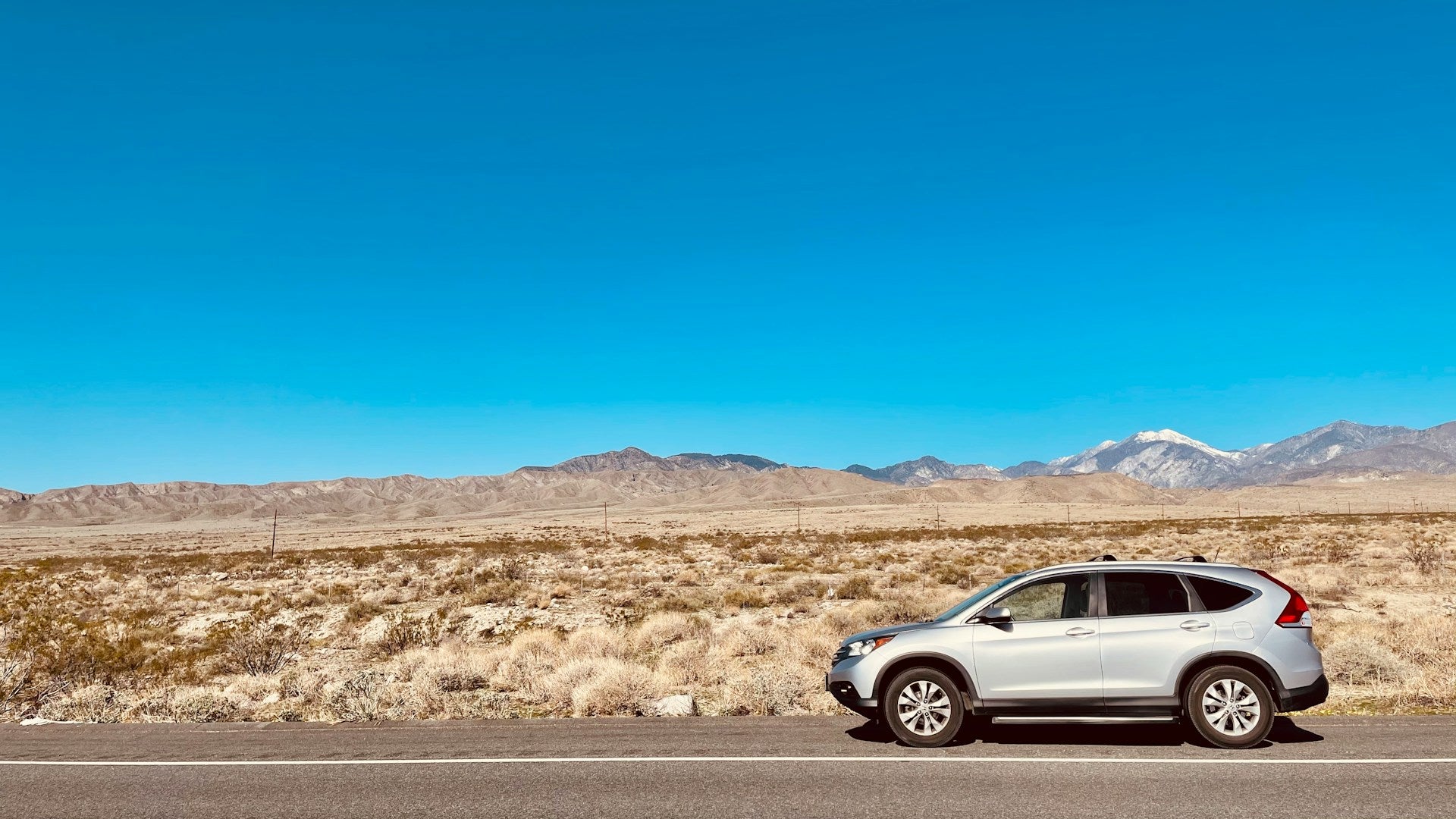
Finding used Honda SUVs in NJ under $20,000 can feel like a big task, but it does not have to be stressful. When new-car prices keep climbing, many drivers start to look harder at pre-owned options, and for good reason. A well-cared-for Honda SUV can give you the space, comfort, and safety you want without pushing your budget too far.
A used Honda SUV is a smart value choice because you get proven reliability and long-term dependability. Honda SUVs are known for lasting many miles when they are serviced on schedule, which makes them a smart pick for New Jersey commuters and busy families who are on the road every day. You can focus on what you need from your next ride instead of worrying about it wearing out too soon.
As the weather cools and days get shorter, many drivers start thinking about safer school runs, weekend leaf-peeping drives, and staying ready for winter roads. A capable SUV with available all-wheel drive, good cargo room, and strong safety features can make daily life easier. Buying used lets you step into that kind of vehicle while keeping your budget in a more comfortable place.

Why Used Honda SUVs in NJ Are a Smart Buy

Driving in New Jersey can change a lot from one mile to the next. One minute you are on a wide highway like Route 78 or Route 287, the next you are on a narrow back road with hills, curves, and rough patches. Add in heavy traffic, rain, ice, and snow, and it is clear why many drivers prefer SUVs with good traction and solid braking.
Used Honda SUVs fit this lifestyle well because they are built for mixed driving. Many models offer available all-wheel drive to help with wet or snowy roads, along with helpful driver aids and comfortable seating. For drivers going between Hunterdon County, Somerville, Flemington, Washington, and nearby Pennsylvania towns, that blend of comfort and control can make a long commute less tiring.
Shopping locally also has real benefits. A dealership that serves New Jersey and nearby Pennsylvania drivers every day understands how people use their vehicles here, from daily Parkway or Turnpike trips to weekend runs toward the river or the mountains. That local knowledge can help match you with a used Honda SUV that fits your usual routes and weather conditions.
Popular used Honda SUVs in NJ that often fall under the $20,000 mark include:

  • Honda CR-V  

  • Honda HR-V  

  • Honda Pilot  

  • Some older Honda Passport models  

These vehicles are often found with mileage that still leaves many years of useful driving when they continue to receive regular maintenance. Many shoppers look for a balance of age and mileage instead of only chasing the lowest price, since that helps keep long-term confidence in the vehicle.

Top Honda SUV Picks Under $20,000 for Fall and Winter

For many New Jersey drivers, the Honda CR-V is an easy favorite. It offers roomy seating, a comfortable ride, and a cargo area that can handle groceries, sports gear, strollers, or luggage without feeling cramped. Available all-wheel drive helps add confidence on slushy mornings and icy back roads, which is helpful for commuters around Clinton, Flemington, Somerville, and the rest of Hunterdon County.
The Honda HR-V is a great choice for first-time buyers, students, or anyone who wants SUV versatility in a smaller footprint. It is easy to park in tight downtown spaces or crowded lots, yet still has flexible seating for friends and weekend trips. Split-folding seats and a smart interior layout let you fit larger items without feeling like you are driving a big vehicle.
Families who need three rows often look at the Honda Pilot. It offers seating for a larger group, which is helpful for carpooling, road trips, or just moving everyone across town in one vehicle. With the right tires and available all-wheel drive, a Pilot can feel sure-footed on snow-covered roads around places like Washington or Easton, PA, while still keeping the ride comfortable for passengers.
When you compare these models side by side, think about:

  • How many passengers you carry most days  

  • How much cargo room you need for daily life  

  • Whether you want or need all-wheel drive  

  • Where you drive most often, city streets or longer highway trips  

Matching the SUV to your daily use is the best way to feel good about your choice long after you sign the paperwork.

How to Shop Smart for a Used Honda SUV Under $20K

A clear budget is one of the best tools you can have before you step onto a lot or start browsing used Honda SUVs in NJ. Think about more than just the sticker price. You will want to factor in:

  • Sales tax and registration fees  

  • Insurance costs for the type of SUV you choose  

  • Regular maintenance and future service needs  

Having a monthly payment range in mind can help you stay focused on vehicles that truly fit your situation instead of stretching too far.
You should also look closely at the details of each used SUV. A strong pre-owned process will include:

  • A vehicle history report to show past ownership and any reported accidents  

  • Service records when available, so you can see how the SUV was cared for  

  • A thorough inspection to check major systems and key wear items  

Mileage is only one part of the story. A slightly higher-mile SUV that has been well maintained can be a better choice than a lower-mile one that has not been serviced as regularly.
When you are ready to test-drive, try to use roads that feel similar to your normal routine. In our area, that can mean:

  • Driving on roads like Route 31 or Route 78 to feel how the SUV handles at speed  

  • Testing visibility in all directions, especially if you drive at night often  

  • Listening for rattles over rough pavement or patched surfaces  

  • Feeling how the brakes respond on hills or steep grades  

Take your time with seat and steering wheel adjustments as well, since comfort makes a big difference on longer drives.

Financing and Warranty Tips for Extra Peace of Mind

Financing a used Honda SUV can be straightforward when you understand a few basics. Your credit history often affects the rates available to you, so it can help to know where you stand before you apply. Pre-approval from a lender or working with a finance team at the dealership can give you a clear sense of your price range and monthly payments.
Protection plans can add another layer of comfort, especially if you plan to keep the SUV for many years. Options may include:

  • Honda-backed extended coverage on eligible certified pre-owned models  

  • Service contracts that help with certain repair costs  

  • Recommended add-ons for frequent commuters, such as coverage that focuses on high-mileage use  

Certified pre-owned Hondas and carefully inspected used SUVs can also give you access to more recent features while you stay in your budget. Many late-model vehicles offer helpful technology like smartphone integration, rearview cameras, and advanced driver assistance systems. Getting these features in a used SUV can make daily driving easier and more pleasant without the cost of a brand-new model.

Make Your Next New Jersey Drive a Honda SUV Upgrade

Planning ahead before winter weather hits is one of the smartest moves you can make as a driver in New Jersey and nearby Pennsylvania. Taking the time now to look at used Honda SUVs in NJ under $20,000 can help you find an SUV that feels ready for school drop-offs, holiday trips, and snowy morning commutes. When you focus on value, reliability, and the right size for your life, a pre-owned Honda SUV can be a comfortable and confident partner for years to come.
At Clinton Honda in Clinton, we work with drivers from across Hunterdon County and surrounding communities to match them with used SUVs that fit both their budget and their daily routine. Comparing a CR-V, HR-V, Pilot, and other pre-owned options side by side is one of the best ways to see what feels right. With the right information and a little planning, your next drive across New Jersey or into Pennsylvania can be in a Honda SUV that you feel good about every time you turn the key.

Drive Home Confidence With a Quality Used SUV

Explore our current selection of used Honda SUVs in NJ and find the model that fits your lifestyle, budget, and daily driving needs. At Clinton Honda, we carefully inspect each pre-owned SUV so you can shop with confidence. If you have questions about a specific vehicle, financing, or availability, please contact us and our team will be happy to help you take the next step.
Posted in:

Related Posts

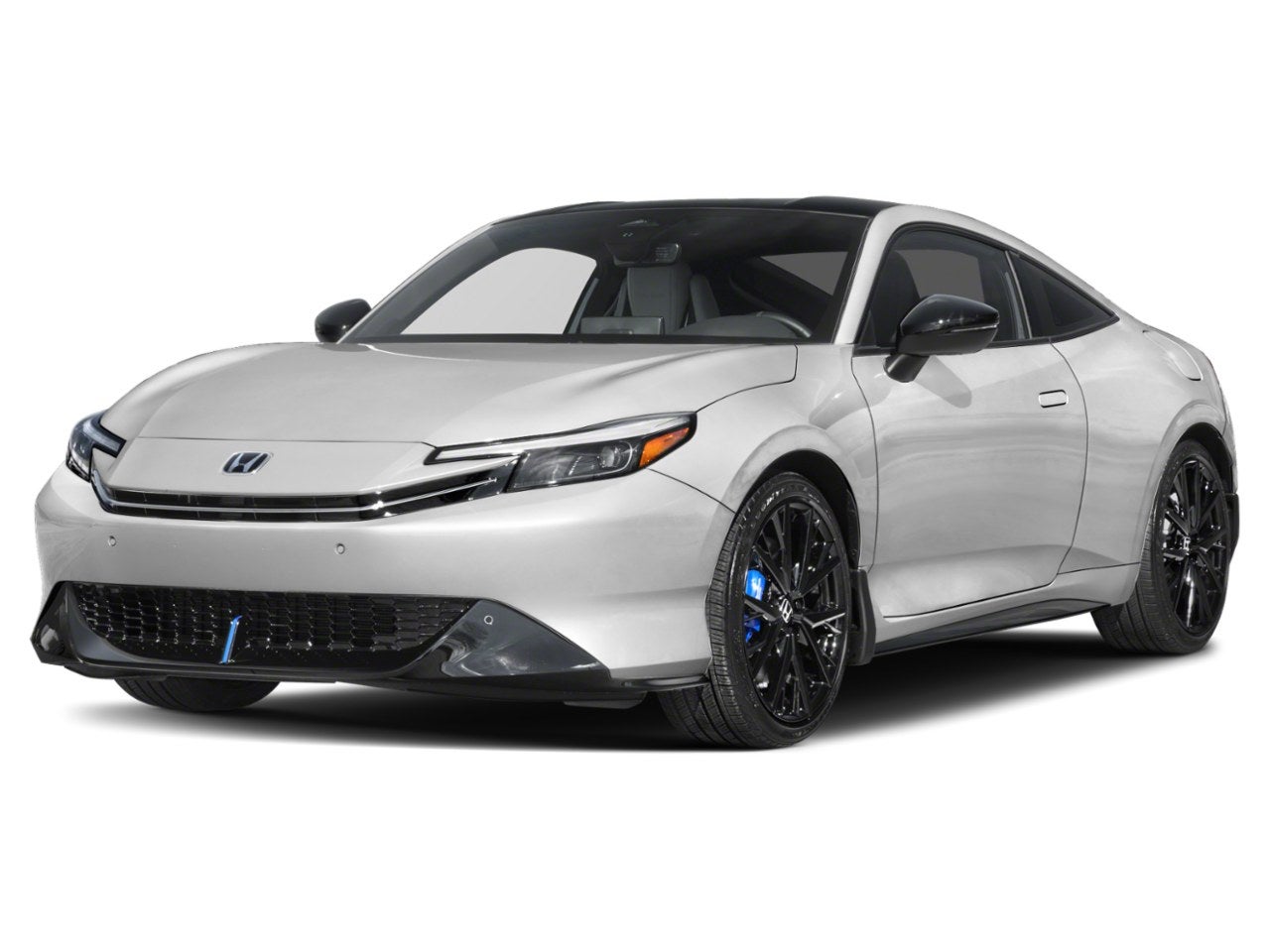
2026 Honda Prelude Hybrid Two-Tone (2WD) front three-quarter exterior

Feature Spotlight: The S+ Shift System on the 2026 Honda Prelude

THE SHORT ANSWER S+ Shift is a button-activated mode on the 2026 Honda Prelude that makes its hybrid powertrain behave like a geared car, with distinct simulated shifts you can trigger yourself using the paddle shifters. There's no traditional transmission underneath. The stepped engine response and quick reaction to the paddles give the coupe a sportier, more involved feel. Picture merging onto I-78 out of Annandale in a new Prelude, pressing hard on the pedal, and never once touching the paddles behind the steering wheel. That's the most common mistake we expect to see with this car: treating S+ Shift as a gimmick, or not knowing it's there at all. At Clinton Honda, we think it's the feature that most defines the 2026 Prelude. Here's what it does, how to use it, and why it's worth trying. IN THIS POST What S+ Shift Is How to Use It How It Feels Behind the Wheel Why Honda Added It to a Hybrid Coupe Common S+ Shift Mistakes Test Driving the Prelude at Clinton Honda Key takeaways What S+ Shift Is Most hybrids feel smooth but a bit detached when you press hard. Engine speed jumps up and stays there while the car catches up, which drivers often compare to stretching a rubber band. On paper, the Prelude should feel the same way, because its two-motor hybrid system doesn't use a traditional multi-gear transmission. S+ Shift is Honda's answer to that. Turn it on and the car starts acting like it has gears. Engine speed climbs and drops in distinct steps, the display shows which simulated gear you're in, and the paddle shifters let you pick those steps yourself. What's happening underneath Nothing mechanical changes. Honda's software coordinates the gasoline engine, the electric motors and the sound you hear in the cabin to recreate what a shift feels like, from the brief change in pitch to the push as the next step takes over. Think of it as choreography, not hardware. That's also why you can switch the whole experience on and off with a single button. How to Use It You don't need a racing background to get comfortable with S+ Shift. Most people have it figured out within a few miles, especially if they take it in stages instead of grabbing the paddles right away. Here's the order we suggest: Find the button marked S+ Shift and press it while you're driving normally. Leave the paddles alone at first and let the system choose its own shift points, so you learn what a simulated gear change feels like. Pull the right paddle to upshift and the left paddle to downshift. Glance at the gear readout on the display to confirm what you've selected. Press the button again when you want the calm, quiet hybrid back. A habit worth building Shift with intention. Downshift before a curve or a hill, not halfway through it, and let engine speed build a little before you upshift on a merge. Small, early inputs feel natural, while fast, random paddle pulls just feel busy. If you've driven a car with paddle shifters before, the rhythm should feel familiar within a day or two. How It Feels Behind the Wheel Picture the ramp from Route 31 onto I-78 at rush hour. In normal hybrid mode, you press the pedal, the engine note rises and holds, and the Prelude gets up to speed without much drama. With S+ Shift on, that merge comes in steps: a pull, a quick change in tone, then another pull. You can feel how hard the car is working. Downshifts are where most drivers start grinning. Tap the left paddle before a bend on the back roads toward Pittstown or Califon, and the system raises engine speed to match, much the way a skilled driver would with a manual. On a long grade, holding a lower simulated gear gives you a stronger sense of control than letting the car simply coast. When to leave it off S+ Shift isn't meant for every minute behind the wheel. In stop-and-go traffic on Route 22, or on a long, steady cruise, regular hybrid driving is the better fit because it's quieter, smoother and less work. We expect plenty of owners to treat the button like a favorite playlist and save it for the drives that call for it. Why Honda Added It to a Hybrid Coupe The Prelude name has always belonged to a fun, driver-focused coupe. Bringing it back as a hybrid made sense for efficiency and everyday ease. It also gave Honda a problem to solve, though. Plenty of enthusiasts love choosing their own gears, and a smooth, gearless hybrid can feel a little anonymous on a drive you're trying to enjoy. S+ Shift bridges that gap. On weekdays you get the hybrid's quiet commute, and with one button press you get a sportier, more involved character. In Honda's lineup the feature belongs to the Prelude alone, which is a big reason we think it deserves a proper try before you decide on a coupe. What it means for you For a shopper, the real benefit is not having to choose. You don't give up efficiency to get a car that's fun on a Saturday, and you don't have to learn to work a clutch. If you're curious how the Prelude fits your routine, browse our new Honda inventory to see when it's arriving at our Annandale showroom. Common S+ Shift Mistakes We see the same handful of mix-ups whenever a car with a new kind of driving feature reaches our lot. Knowing them ahead of time will make your first week with a Prelude a lot more enjoyable. Never pressing the button. Plenty of drivers stay in regular Drive and assume the paddles do nothing special. Try S+ Shift at least once on a road you know well. Expecting a manual. There's no clutch pedal and no chance of stalling, so relax and drive. Upshifting too soon. Pulling the right paddle the instant you accelerate makes the car feel flat, so let engine speed build first. Using it everywhere. In heavy traffic it adds effort without adding much enjoyment. Judging it in a parking lot. You need a few miles of open road to feel the difference. One more tip Give your passengers a heads-up. The shift feel and changing engine note can surprise someone who's expecting a silent hybrid. A quick explanation keeps everyone comfortable on that first spirited drive. Test Driving the Prelude at Clinton Honda Reading about a simulated downshift only gets you so far. You really have to feel one. When you book a test drive, tell us you want to try S+ Shift, and we'll set aside time to walk you through the button and paddles before you pull out. Plan a route with variety Ask to include: A highway merge, ideally onto I-78 A few curves on a local back road A hill, so you can try a downshift on the way down A stretch of normal traffic with the mode switched off That mix shows you both sides of the car in one outing. Bring whoever will share the Prelude with you, since the person in the passenger seat often has strong opinions about the sound. Clinton Honda has won the DealerRater.com/Cars.com Consumer Satisfaction Award every year since 2015. We were also named the Cars.com NJ Honda Dealer of the Year for 2026. Come see us in Annandale and take your time getting to know the car. Where 1511 US-22 Annandale, NJ Call (908) 255-1985 KEY TAKEAWAYS S+ Shift simulates gear changes. It doesn't add a transmission or a clutch. Press the S+ Shift button, then use the right paddle to upshift and the left to downshift. Try it on a test drive with mixed roads, including a highway merge, some curves and a downhill. FAQ Common questions Is S+ Shift the same as a manual transmission? No. There's no clutch pedal and no conventional gearbox. S+ Shift uses software to make the hybrid system feel like it's moving through gears, and you control those steps with the paddles instead of a stick. Do I have to use the paddle shifters when S+ Shift is on? No. With the mode on, the Prelude can choose its own simulated shift points, so you get the stepped feel without touching the paddles. Reach for them when you want more control, like before a curve or a hill. How do I turn S+ Shift off? Press the S+ Shift button again. The Prelude goes back to its regular hybrid behavior, which is smoother and quieter for commuting and traffic. Can I try S+ Shift on a test drive at Clinton Honda? Yes. When you schedule, let us know you'd like to try S+ Shift. We'll explain the controls before you head out and help you plan a route around Annandale with a highway merge and a few curves. Want to see it in person? Come by for a test drive, or browse what is on the lot right now. Schedule a test drive Browse new inventory Or call (908) 255-1985 · 1511 US-22, Annandale Or keep browsing Current offers Financing Value your trade Book service Contact us Used cars

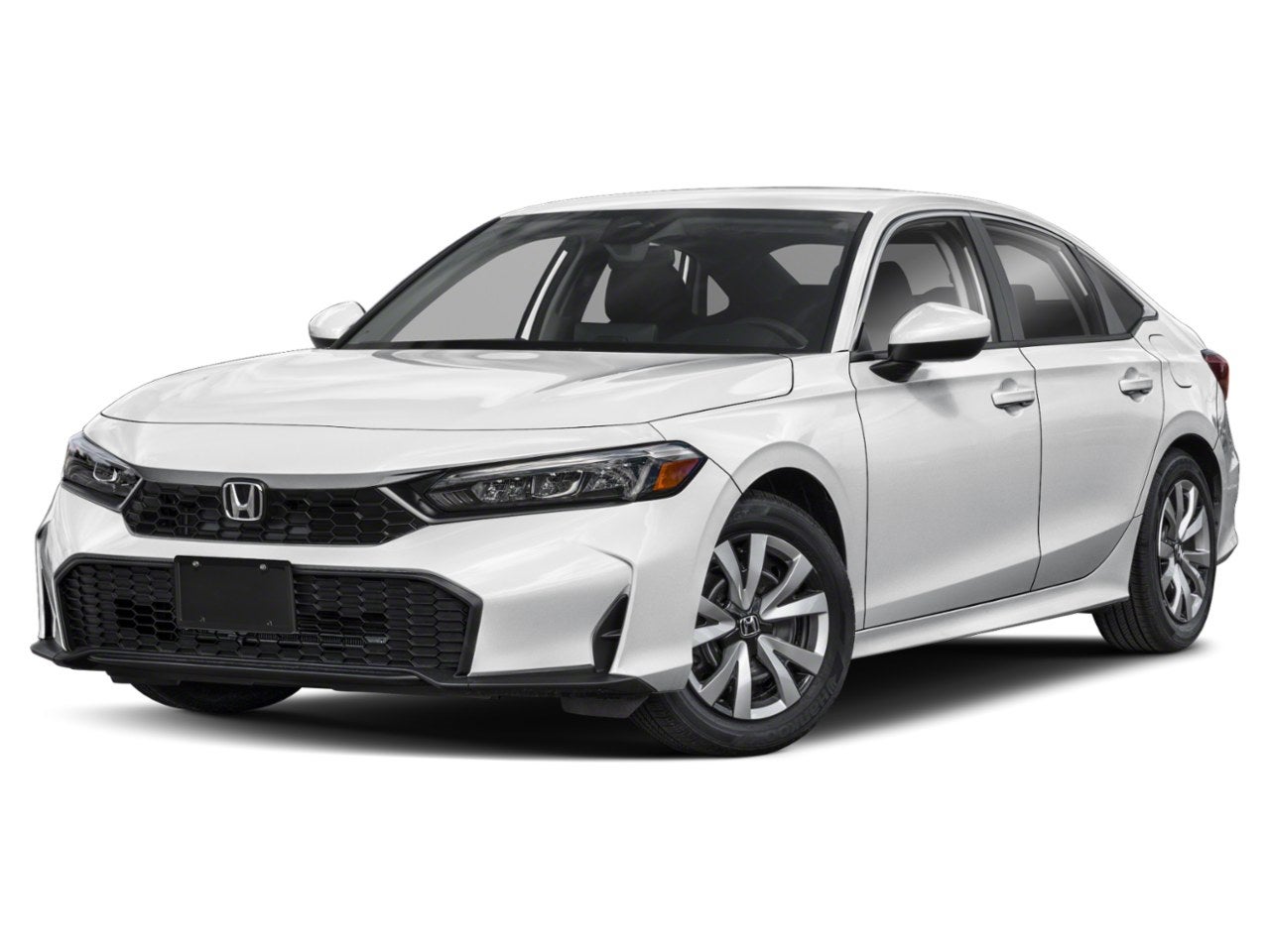
2026 Honda Civic front three-quarter exterior

What Does Honda Sensing Actually Do on the 2026 Civic?

THE SHORT ANSWER Honda Sensing is a set of driver-assistance features that comes standard on the 2026 Civic and uses a camera and radar to watch the road ahead. It can warn you, help keep you in your lane, hold a following gap on the highway, and brake or steer when you don't react in time. You remain the driver the whole time. What does Honda Sensing actually do when you're behind the wheel of a 2026 Civic? Civic shoppers ask us that question at Clinton Honda in Annandale all the time, and the feature names on a window sticker don't always make the answer clear. We'll walk through what's in the suite, how it sees the road, where it helps and where it backs off, so you know what you're getting before you commit. IN THIS POST The Short Answer: What Honda Sensing Does for You What's Included in Honda Sensing How the Cameras and Radar Work Together How It Behaves on the Roads Around Annandale What It Can and Can't Do Adjusting It to Suit the Way You Drive Keeping the Sensors Seeing Clearly Trying It Out on a Test Drive Key takeaways The Short Answer: What Honda Sensing Does for You Honda Sensing is Honda's name for a group of driver-assistance features that watch the road ahead and step in when something looks wrong. On the 2026 Civic it comes standard, so you don't have to hunt for a package or a pricier trim to get it. Think of it as a second set of eyes that never blinks. It can warn you about a slowing car, nudge you back toward your lane, and keep a steady gap in highway traffic. When a warning isn't enough, some features will brake or steer on their own. What it won't do is drive for you. You're still the driver in every sense, and the system is designed around that idea. Its real job is to buy you time: a chime a moment earlier, or a touch of brake before your foot gets there. That's why Civic shoppers bring it up with us so often. It's part of the car on a base model or a sportier one from our new Civic inventory, so understanding Honda Sensing is part of understanding the Civic itself. What's Included in Honda Sensing Honda groups several features under the Sensing name. Here's what each one does in everyday terms: Collision Mitigation Braking System: watches for vehicles, and in many cases pedestrians, ahead of you. It warns first, then can apply the brakes if you don't respond. Forward Collision Warning: the alert side of that system, a chime and a dash message when you're closing in too fast. Road Departure Mitigation: if you start drifting off the road or across solid lines without signaling, it can steer and even brake to pull you back. Lane Departure Warning: a lighter-touch alert when you wander toward the lines. Lane Keeping Assist System: on highways, it makes small steering corrections to help keep you centered. Adaptive Cruise Control: holds a following distance you choose, slowing down and resuming with traffic. Traffic Sign Recognition: reads speed limit signs and shows them on the dash. Auto High-Beam Headlights: switches your high beams on and off on dark roads based on traffic ahead. Some trims add related features outside the core bundle, such as blind spot information. We're glad to walk you through exactly what a specific trim has before you decide. How the Cameras and Radar Work Together Two main sensors feed Honda Sensing. A camera mounted high on the windshield, near the rearview mirror, reads lane markings, signs and the shapes of cars and people. Up front, a radar unit sends out radio waves and measures what bounces back, which tells it how far away things are and how quickly they're moving. Each sensor has a weak spot, and the other covers it. A camera is great at recognizing what something is but less sure about exact distance, especially at night. Radar judges distance and closing speed well but can't read a lane line or a sign. Why combining them matters When both sensors agree that a car ahead is braking hard, the system can act with more confidence and fewer false alarms. That sensor fusion is why adaptive cruise feels smooth rather than jumpy, and why collision braking is saved for real threats instead of shadows or overpasses. Behind the scenes, the car's computer weighs both inputs constantly and decides whether to stay quiet, warn you or step in. Most of the time you won't notice anything at all, which is exactly how it should feel. How It Behaves on the Roads Around Annandale Around here you get a little of everything, and Honda Sensing acts differently depending on the road. On I-78, adaptive cruise is the feature you'll appreciate most. Set your speed and following gap, and the Civic eases off when someone merges in front of you near the Clinton exits, then picks back up once the lane clears. Lane keeping adds light steering help on the long, well-marked stretches. Route 31 and Route 22 are a different story, with traffic lights, turning cars and shopping-center entrances. Here the collision warning and braking do the heavy lifting. You may get an alert when a car ahead turns sharply into a lot; that's the system being cautious, not malfunctioning. Back roads through Hunterdon County bring faded or missing lane lines, tight curves and dark stretches at dusk. Expect lane keeping to switch itself off when it can't find lines to follow, and auto high beams to earn their keep where there are no streetlights. Knowing which feature fits which road makes the whole system feel far less mysterious. What It Can and Can't Do What it does well Honda Sensing shines at the repetitive, attention-draining parts of driving: holding a gap in traffic, keeping you centered on a highway, and catching the moment your eyes leave the road just as the car ahead slows. Those are the situations where an early warning matters most. Where it reaches its limits It can't see everything, and it isn't meant to. Conditions that commonly reduce what it can do include: Heavy rain, snow, fog or road spray Low sun shining straight into the camera Dirt, ice or a sticker blocking the windshield or front of the car Faded lines, construction zones and lane shifts Sharp curves, steep hills and cross traffic at intersections When it can't work reliably, the system tells you with a dashboard message and steps back. Keep your hands on the wheel and your attention on the road; lane keeping will remind you if it senses you've let go. It also may not react to small objects, debris or animals, so treat each alert as help, never as a promise. Adjusting It to Suit the Way You Drive Not every driver wants the same amount of chatter from the car, and Honda gives you room to tune it. Through the settings on the center display and the steering-wheel controls, you can typically: Choose how early the forward collision warning alerts you Pick the following distance for adaptive cruise, from snug to roomy Turn lane keeping on or off with a steering-wheel button Adjust how road departure mitigation warns and responds Our advice is to live with the defaults for a week or two. Plenty of people who find the alerts too eager on day one discover they were simply following closer than they realized. Once you know your habits, set the warning distance to match. We'd steer you away from switching off collision braking or road departure mitigation entirely. Those are the features most likely to matter in the one moment you're distracted. If something feels off, stop by and we'll go through the menus with you, sitting in your own car. Keeping the Sensors Seeing Clearly Honda Sensing only works as well as its sensors can see, so a little care goes a long way. Keep the windshield clean in the area in front of the rearview mirror, and clear snow and ice from the front of the car before you drive, not just a peephole on the glass. In winter, a film of road salt builds up quickly on I-78, and that alone can trigger a sensor message. When calibration comes into play If your windshield is replaced, or the front end is repaired after even a minor bump, the camera or radar may need recalibration. A sensor aimed even slightly off can misread lanes or distance. That work calls for the right equipment and procedures, so ask about it any time glass or bodywork is involved. Our service team can check calibration and look into warning messages if you see them. You can book service online whenever a Sensing alert won't clear or the car seems to behave differently than it used to. Trying It Out on a Test Drive Reading about these features only gets you so far. You'll understand Honda Sensing much faster by feeling it, so when you book a test drive, plan a route that covers a few kinds of road. Here's what we suggest trying: A highway stretch to set adaptive cruise and feel how the Civic manages the gap Lane keeping on a well-marked road, hands resting lightly on the wheel Slower traffic to see how smoothly the car eases off and resumes A quick look through the settings menu before you pull out Ask whoever rides along to point out the dash indicators, so you know what the icons mean before you're on your own. Don't try to trigger collision braking on purpose; we'll explain how it works rather than test it in real traffic. We've won the DealerRater.com/Cars.com Consumer Satisfaction Award every year since 2015. We were also named the Cars.com NJ Honda Dealer of the Year for 2026. Whatever you decide, we'll keep the answers plain and the pace relaxed. Where 1511 US-22 Annandale, NJ Call (908) 255-1985 KEY TAKEAWAYS Honda Sensing comes standard on the 2026 Civic and pairs a windshield camera with a front radar unit. It helps you react sooner, but bad weather, faded lane lines and tricky traffic can limit it. A test drive on both highway and local roads is the fastest way to learn how it feels. FAQ Common questions Is Honda Sensing standard on every 2026 Civic trim? Yes, the core Honda Sensing suite comes on every 2026 Civic trim. Some trims add related extras such as blind spot information, so we'll confirm what's included on the specific Civic you're considering. Can I turn Honda Sensing features off? Several features can be adjusted or switched off through the display settings or steering-wheel buttons, and lane keeping has its own on/off control. Some settings return to their defaults when you restart the car. We recommend leaving collision braking and road departure mitigation on. Does Honda Sensing work at night or in bad weather? At night it generally works well, since the radar isn't affected by darkness and the camera uses your headlights. Heavy rain, snow, fog or a blocked windshield can limit it, and the car will show a message when a feature is temporarily unavailable. Want to see it in person? Come by for a test drive, or browse what is on the lot right now. Schedule a test drive Browse new inventory Or call (908) 255-1985 · 1511 US-22, Annandale Or keep browsing Current offers Financing Value your trade Book service Contact us Used cars

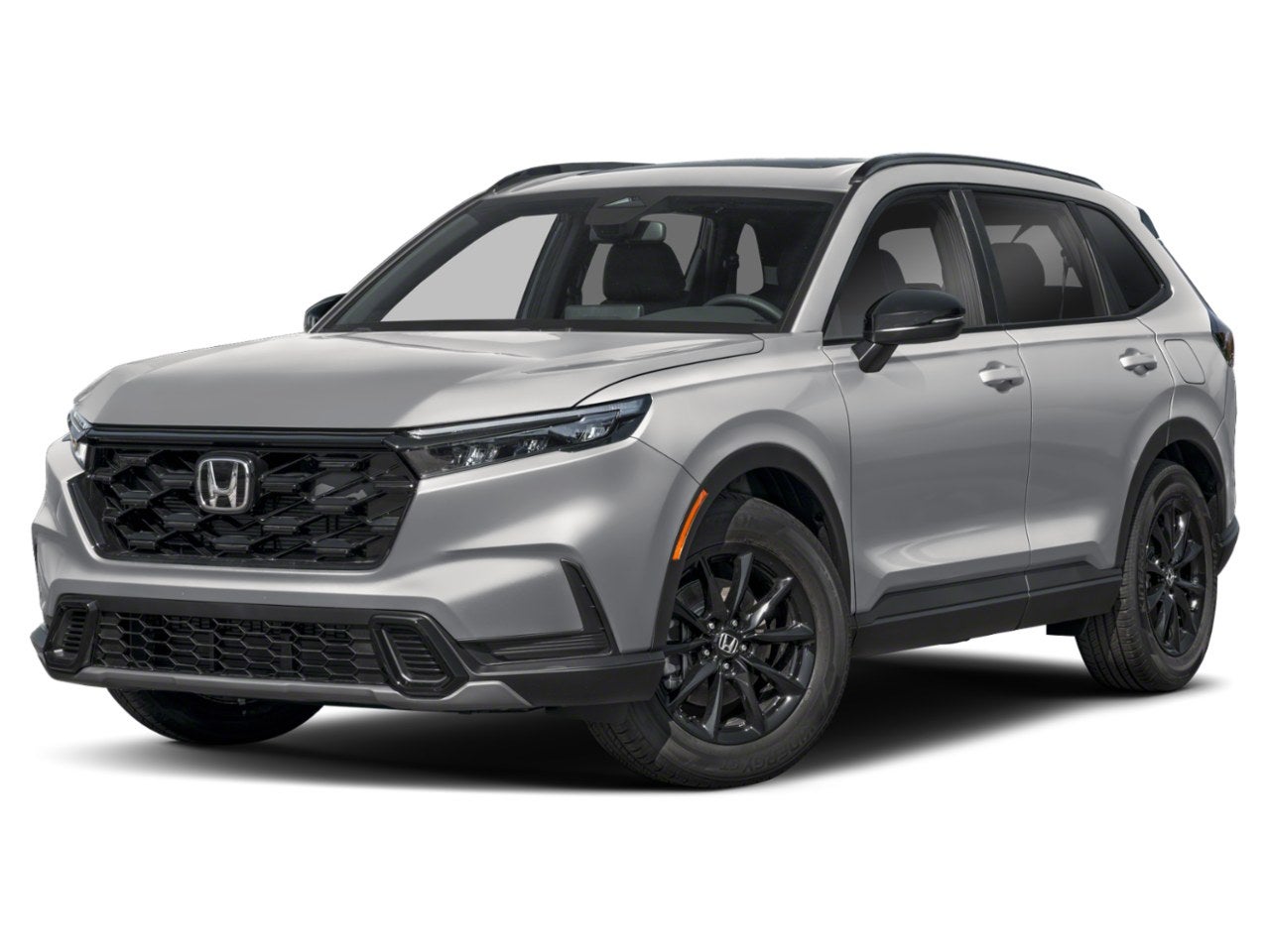
2026 Honda CR-V Hybrid front three-quarter exterior

Does the Honda CR-V Hybrid Come With All-Wheel Drive?

THE SHORT ANSWER Yes. The 2027 Honda CR-V Hybrid offers all-wheel drive as an option on the Sport Hybrid and Sport-L Hybrid, and it's standard on the TrailSport Hybrid and Sport Touring Hybrid. Choosing AWD raises the price a little and lowers fuel economy slightly. In return, you get better grip on snow, rain and loose roads. Each winter in Annandale, CR-V Hybrid shoppers ask us whether they can get it with all-wheel drive. They can. Before you buy, it helps to know which trims have it, what it actually does on the road, and what it costs you. At Clinton Honda, we'll walk you through it from the ground up. IN THIS POST Yes, and Here's Which Trims Have It What AWD Does in Snow, Rain and Hills What AWD Costs You in Price and MPG Matching the Trim to Your Driving Try Both Drivetrains Before You Decide Key takeaways Yes, and Here's Which Trims Have It You get more choice here than many shoppers expect. Four of the six 2027 CR-V Hybrid trims come with all-wheel drive, and two of them come with nothing else. Let's start with the terms. A hybrid pairs a gas engine with electric motors, so the SUV can use electric power to help it move and save fuel. Front-wheel drive, which Honda labels 2WD, sends that power only to the front wheels. All-wheel drive (AWD) can send it to all four, so the rear wheels can push when the front ones lose grip. Here's how the lineup sorts out: Sport Hybrid: choose 2WD or AWD Sport-L Hybrid: choose 2WD or AWD TrailSport Hybrid: AWD only Sport Touring Hybrid: AWD only What stays the same is the hardware that makes the power. Every version uses Honda's In-Line 4-Cylinder Two-Motor Hybrid System rated at 204 hp, and they all seat five. So picking AWD won't make the CR-V Hybrid quicker or roomier. It changes where the power goes, and that matters most on the days the road is working against you. What AWD Does in Snow, Rain and Hills Think of AWD as help with getting moving and staying moving when grip is poor. Traction is simply how well your tires hold the road. On dry pavement, a 2WD CR-V Hybrid has plenty of it, so the AWD system mostly stays in the background. AWD earns its keep on slippery surfaces. Picture pulling out of a snowy side street, climbing a steep driveway after an ice storm, or merging onto I-78 in a cold rain. In those moments, a front-wheel-drive SUV can spin its front tires. With AWD, power shifts toward the rear wheels when the fronts start to slip, so you get going more smoothly and with less drama. Here's the part people miss: AWD does not help you stop or turn. Brakes and steering depend on how well your tires grip, and driving all four wheels won't change that on glare ice. That's why tires matter as much as the drivetrain. A 2WD CR-V Hybrid on good winter tires can feel more sure-footed in a Hunterdon County snowstorm than an AWD one on worn all-seasons. If you're heading into winter unsure about your tread, you can book service with us, and we'll check your tires before the first storm. What AWD Costs You in Price and MPG AWD isn't free, and real numbers make the tradeoff easier to judge. On the Sport Hybrid, the 2WD version has an MSRP of $36,030, and the AWD version is $37,530. MSRP stands for manufacturer's suggested retail price. It's the starting sticker price before taxes, fees and options. Fuel economy shifts too. You'll usually see mpg (miles per gallon) given as three ratings: city, highway and combined. Combined is the best single estimate of your everyday average. The 2WD Sport and Sport-L Hybrid are rated at 40 mpg combined, and the AWD versions of those trims come in at 37. That drop comes from the extra parts AWD adds, which bring more weight and more friction. TrailSport Hybrid goes a bit lower, to 35 combined. Choose it for its trail-ready personality, not for stretching every gallon. For most drivers, those differences are small next to what you gain in bad weather. If you'd like to see how the price gap looks over the life of a loan, our financing options page is a good place to start. Approval and terms always depend on your credit and the lender. Matching the Trim to Your Driving If you want AWD at the lowest price The Sport Hybrid (AWD) is the most affordable way into an all-wheel-drive CR-V Hybrid. You get the same hybrid system and passenger room as the pricier trims. That makes it a smart pick if you commute on Route 31 or I-78 and mainly want confidence on winter mornings. Stepping up to the Sport-L Hybrid (AWD) adds comfort and convenience features and keeps the same fuel economy rating. If you want trail flavor or the top trim TrailSport Hybrid is aimed at drivers who head to trailheads, campgrounds and gravel roads, and AWD comes standard. Sport Touring Hybrid sits at the top of the lineup, also with AWD standard, and carries the most features. There's one thing to know before choosing the top trim. Behind the rear seats, the Sport Touring Hybrid has 34.7 cubic feet of cargo space, while the other trims have 36.3. It's a small difference. Still, if you often fill the back with strollers, sports gear or big grocery runs, load your own things into one before you decide. You can see what's here right now in our new CR-V Hybrid inventory and narrow it down by trim and drivetrain. Try Both Drivetrains Before You Decide The surest way to choose between 2WD and AWD is to drive both, ideally back to back. On a dry day you may not feel much difference. Pay attention to how each one pulls away from a stop, climbs a steep grade and handles rough pavement. Ask us to route you over some of the hillier roads around Annandale so you get a realistic feel for local driving. A few questions to think through first: How often do you drive in snow, or before the plows come through? Is your driveway or street steep? Do you head to ski areas, trailheads or dirt roads? How much do a few mpg matter on your daily mileage? If you said yes to any of the first three, AWD is usually worth it. If most of your miles are on cleared highways and you plan to run winter tires, 2WD can serve you well. We've won the DealerRater.com/Cars.com Consumer Satisfaction Award every year since 2015. We were also named the Cars.com NJ Honda Dealer of the Year for 2026. When you're ready, book a test drive, and we'll do our best to have both versions lined up so you can compare them. Where 1511 US-22 Annandale, NJ Call (908) 255-1985 KEY TAKEAWAYS Four of the six 2027 CR-V Hybrid trims have AWD, and TrailSport and Sport Touring come with nothing else. AWD helps you get moving on slippery roads, but good tires still do the work of stopping and turning. The tradeoff is a modestly higher price and a few fewer mpg compared with the 2WD versions. FAQ Common questions Can I add all-wheel drive to a 2WD CR-V Hybrid later? No. The drivetrain is built in at the factory, so decide on 2WD or AWD before you buy. If you're on the fence, a back-to-back test drive usually settles it. Is AWD the same as 4WD? Not quite. AWD runs on its own and sends power to the rear wheels when the fronts slip, which suits snow, rain and gravel. Four-wheel drive (4WD) is typically a heavier-duty system built for serious off-road use. The CR-V Hybrid uses AWD. Does AWD lower the CR-V Hybrid's fuel economy? A little. The 2WD Sport and Sport-L Hybrid are rated at 40 mpg combined, and their AWD versions are rated at 37. The TrailSport Hybrid is rated at 35 combined. Do I still need winter tires if I get AWD? For snowy New Jersey winters, they're a smart idea. AWD helps you accelerate on slick roads, but your tires do the work of stopping and steering. Winter tires paired with AWD give you the most grip. Want to see it in person? Come by for a test drive, or browse what is on the lot right now. Schedule a test drive Browse new inventory Or call (908) 255-1985 · 1511 US-22, Annandale Or keep browsing Current offers Financing Value your trade Book service Contact us Used cars