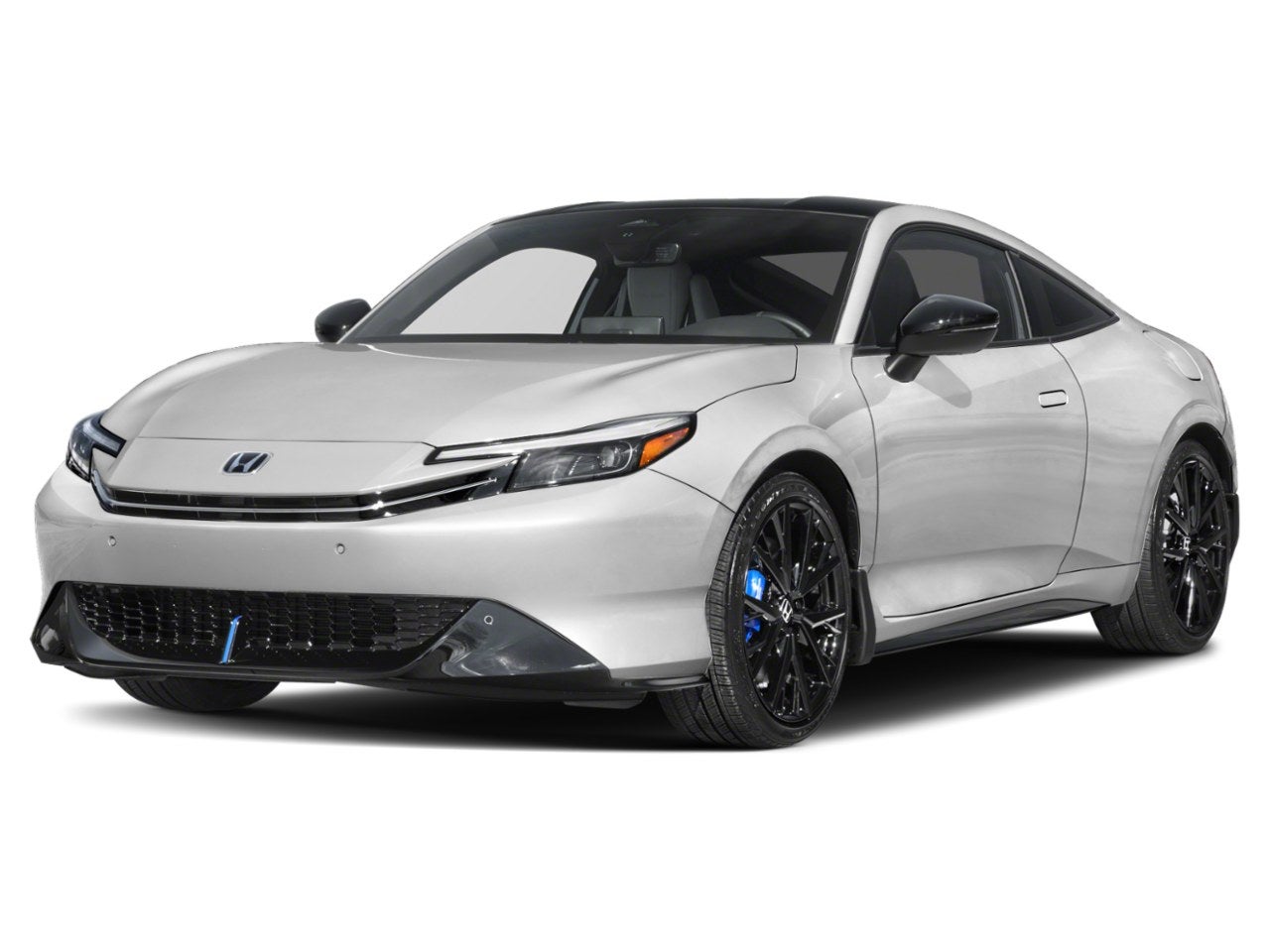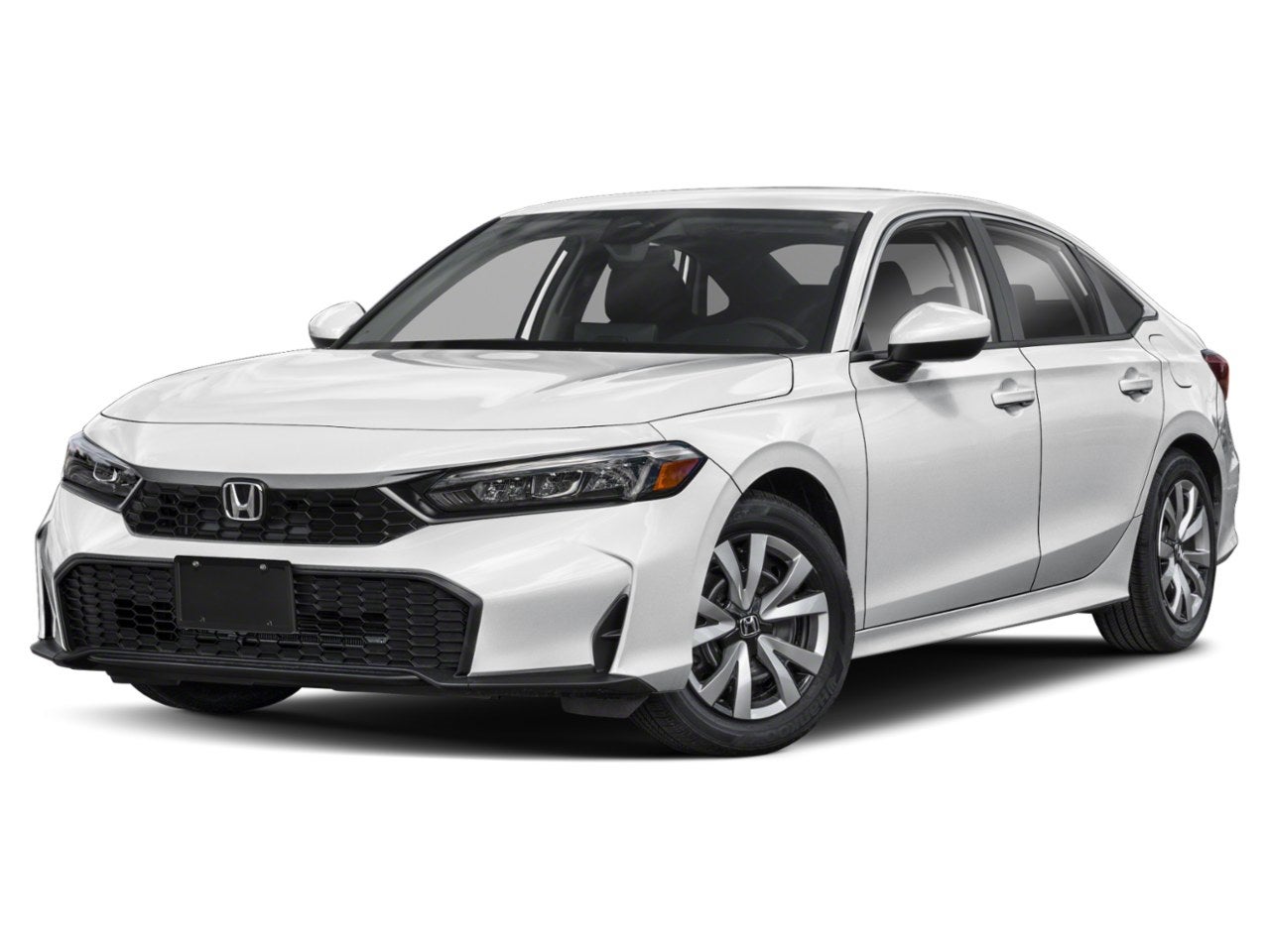


Your CR-V Hybrid will use a bit more fuel once fall mornings turn cold, and you can win much of that back. Smooth driving, correctly inflated tires and smart use of Econ mode do most of the work. At Clinton Honda in Annandale, it's one of the questions our service desk hears most as temperatures drop, so here's what we tell owners.
How Cold Weather Affects Hybrid Efficiency

Cold hits a hybrid from several directions at once. Your gas engine needs to reach operating temperature before the system lets it shut off freely, so a short trip on a chilly morning spends more time with the engine running. Cabin heat comes largely from engine warmth too, and a toasty cabin keeps it working longer.
The hybrid battery is also less eager in the cold. It accepts and delivers charge less readily until it warms up, which means less electric-only driving early in a trip. Stations switch to winter-blend gasoline in the fall, and that fuel carries slightly less energy per gallon.
Denser cold air adds drag at highway speed, something you'll feel on long stretches of I-78. Put together, these factors explain why your trip computer slips a little in October and November.
None of this means anything is wrong. A seasonal dip is normal, and the goal is to stop making the car fight those conditions more than it has to. The Honda CR-V model page on our site explains how the hybrid system pairs its engine with electric motors, which helps the tips below make sense.
How you use your right foot matters more than any setting or gadget. A hybrid rewards patience, and smooth inputs keep you on electric power longer, especially around town.
Here's what we suggest owners try:
- Ease away from stops. Gentle pressure lets the electric motor handle more of the work at low speed.
- Look farther ahead. Lifting early before a light or a slowdown lets regenerative braking recapture energy instead of turning it into brake heat.
- Use the paddle selectors behind the wheel if your trim has them. They add regenerative braking on long downhill grades, like the hills off Route 31.
- Hold a steady pace on the highway. Cruise control on flat sections keeps the engine from surging.
- Chain your errands together. One trip with a warm engine beats three separate cold starts.
Watch the idling, too. Letting the car run in the driveway for a long warm-up burns fuel without moving you anywhere, and remote start used for extended periods does the same.
A better approach is to clear the windows, start the car and drive gently for the first few minutes. Your CR-V warms up faster under light load than it does sitting still.
Cold air shrinks the air inside your tires, so a pressure that looked fine on a warm September afternoon can read low on a frosty November morning. Underinflated tires roll with more resistance, which costs you fuel, wears the tread unevenly and dulls handling on wet leaves.
How to check it right
Check once a month and after any big temperature swing. Do it first thing in the morning, before you drive, because a few miles of driving warms the tires and gives a falsely high reading.
- Use the pressure on the sticker inside the driver's door jamb. The number molded into the sidewall is the tire's maximum, not the right setting for your CR-V.
- Buy your own gauge. Air-machine gauges at gas stations are often worn or inaccurate.
- Don't forget all four corners, even if only one looks soft.
After you adjust
Many recent Hondas ask you to calibrate the tire pressure monitoring system after you add air. It's done through the vehicle settings on the driver display, and your owner's manual shows the steps. Skip it and you may get a warning light that doesn't reflect your tires' real condition.
Econ mode softens throttle response and lets the climate control work a little less aggressively. In practice, that makes smooth driving easier without you having to concentrate on it, which is why it shines on daily commutes and stop-and-go traffic on Route 22.
Good times to have it on:
- Your regular commute and around-town errands
- Steady cruising on familiar roads
- Heavy traffic where you're mostly creeping along
Switch it off when you need responsiveness. Merging onto I-78, passing on a two-lane road or climbing a steep grade with a loaded cargo area are all moments when full power matters more than a small fuel savings.
Frosty mornings are another exception. Because Econ eases up on climate control, defrosting can take longer, and clear glass comes before efficiency. Turn Econ off until the windshield is clear, then switch it back on.
Keep expectations realistic. Econ helps, but it won't make up for hard launches or long idles. Pair it with the driving habits above and glance at the efficiency information on your driver display to see how you're doing.
A well-maintained CR-V Hybrid simply wastes less fuel. Fall is a smart time to catch up before winter roads arrive.
Start with the basics:
- Follow the Maintenance Minder. Oil changes on schedule, with the oil grade your owner's manual specifies, help the engine run efficiently in cold starts.
- Clear out extra weight. Sports gear and boxes that rode around all summer cost you a little on every trip.
- Remove roof racks and cargo boxes you're not using. They add drag at highway speed.
- Get the alignment checked if you've hit a pothole hard. A car pulling to one side scrubs tires and burns fuel.
- Test the 12-volt battery. Cold weather exposes weak ones quickly.
Hybrid owners should keep one more thing in mind. Your CR-V's hybrid battery relies on airflow to stay at a comfortable temperature, so check your owner's manual for the location of any cabin intake vent and keep jackets and bags from blocking it.
If you'd rather have our technicians look things over, you can book a fall service visit and ask them to check tire pressure, alignment and the battery while your CR-V is in.
Small steps add up fast, and you can handle most of them before the weekend.
Your short list
- Check all four tires one cold morning and set them to the door jamb pressure.
- Take off the roof rack or cargo box if this year's trips are done.
- Reset a trip meter so you can compare this week's mileage with next week's.
- Drive your commute in Econ mode with gentle starts and early coasting.
- Use the heated seats, and the heated steering wheel if you have one, so you can run the cabin heat a bit lower.
When to call us
A gradual seasonal dip is expected. A sudden or sharp drop is different, especially if a warning light comes on, the engine seems to run constantly or a tire keeps losing air. Those are signs something needs a closer look.
If you notice any of that, contact us at Clinton Honda and our service team will help you sort it out. We've won the DealerRater.com/Cars.com Consumer Satisfaction Award every year since 2015, and we'd be glad to help keep your CR-V Hybrid running the way it should all season.
Annandale, NJ
- A small drop in fall mileage is normal for hybrids, and short cold trips cause most of it.
- Check tire pressure on a cold morning against the door jamb sticker, not the tire sidewall.
- Use Econ mode for routine driving, and switch it off when you need quick power or fast defrosting.