

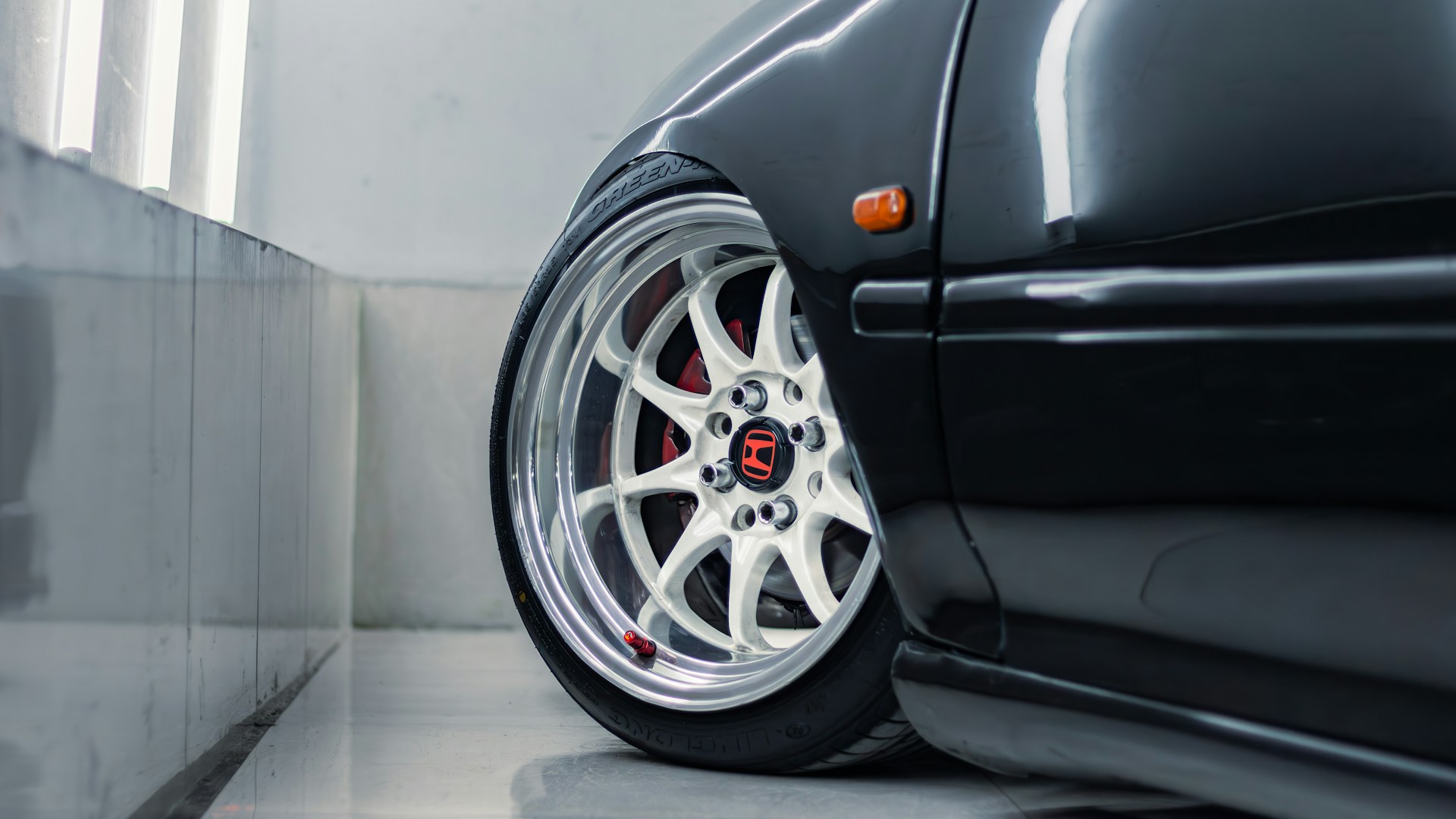
Fall in New Jersey usually brings cooler weather, shorter days, and the first hints of freezing nights. It happens fast. One day we’re wearing a light jacket, and the next, we’re scraping frost off the windshield. Before the roads get slippery or snowy, drivers in our area start thinking about how ready their cars really are for winter. One of the first things to look at? The tires.
Tire checkups may not seem like a big deal, but they play a key role in how your car handles colder months. It’s not just about staying legal or keeping up with routine care. It’s about helping your vehicle stay connected to the road during rain, sleet, or snow. Checking Honda tires in NJ before winter really sets the tone for safer everyday driving from November through March.
Why Cold Weather Affects Tire Performance
Once temperatures start to dip, tire pressure goes with it. Every drop in temperature makes tire air compress a bit more, which means less pressure and more strain on the tire’s surface. Low pressure can make the tire wear unevenly or lose its grip on wet or frozen roads.
Fall also brings its own road hazards. Wet leaves can create slippery situations that feel like driving on ice. And by mid-winter, slush, black ice, and freezing rain often show up without much warning. The tires are the first thing your car depends on to grip the road when that happens.
A fall tire checkup gives you a chance to:
• Check for low tire pressure before it becomes a winter problem
• Catch early signs of wear that could reduce traction on fall and winter roads
• Make sure the tread is deep enough to handle wet or icy conditions
Getting ahead of those issues helps your car stay steady, even on slick corners or hills. At Clinton Honda, our Annandale service center offers tire inspections, tire rotations, and replacements using genuine Honda tires for drivers throughout the area.
Signs It’s Time to Check or Replace Your Tires
Some signs of tire trouble are easy to spot if you know what to look for. If the tread is wearing down to the point where you can’t see the pattern clearly, that’s one red flag. Cracks or bubbles on the side of the tire are another. These often mean the rubber is wearing out or breaking down from heat, age, or damage.
Other signs take a closer look. You might notice:
• The tires look more worn on one side than the other, which might point to a problem with alignment
• A frequent need to refill air, which could mean tiny leaks or weak seals
• The car pulling slightly to one side when you drive, especially on local roads
We see these signs a lot, especially as the seasons change. Cold weather and uneven pavement make hidden tire problems show up more clearly. Fall is a smart time to take a walk around your car and see what your tires are telling you before snow or ice makes problems worse.
What a Tire Checkup Typically Includes
When we do a tire checkup, it’s more than just a quick glance at air pressure. Every part of the tire plays a role in how the car drives, especially when road conditions aren’t perfect.
Here’s what usually gets checked:
• Tire pressure levels for each tire, measured while cold and adjusted as needed
• Tread depth to see if the tire still has enough grip for rain or snow
• Sidewalls for cracks, bubbles, or cuts that may lead to failure
• Rotation needs, since rotating your tires helps them wear evenly
• Possible balancing issues or alignment concerns if the tire wear doesn’t look consistent
By checking these things as a full set, we get a clearer picture of whether the tires are good to go or if a fix or replacement would help keep your car in shape for winter driving. You can book tire service appointments and access monthly tire specials directly through us on the Clinton Honda website.
How Local Roads Impact Your Tires in Fall and Winter
New Jersey roads don’t always make things easy on our tires. We drive through everything from small-town streets and farmland roads to steep hills and busy highways. In fall, the mix of rain, fallen leaves, and dips in temperature makes the pavement unpredictable. By early winter, sand, salt, and sub-freezing temps start to take a real toll.
In places like Annandale and Clinton Township, we see plenty of changing surface conditions. Potholes open up from freeze-thaw cycles. Salt spreads out over winding local roads. And ice forms quickly in shaded areas that don’t get much sun. These local details can wear tires faster than expected or make small tire issues a bigger deal when traction is lower.
That’s why keeping tires in good shape isn’t just about distance. It’s about how the roads feel under your tires, especially in a state like New Jersey that deals with real winter weather. Even the best tires need help when they’re driving over salt, slush, and potholes every day.
Stay in Control This Fall and Winter
Cold weather doesn’t have to mean stressful driving. A tire checkup in the fall can help build peace of mind before all the real winter challenges start showing up. It’s easier to tackle tire issues in October, when you’re not dealing with freezing days, icy driveways, or the holiday rush.
Checking your tires early helps give you more control over how your car handles wet or snowy roads. Whether you’re commuting across Route 78, Route 22 East, or Route 31 in Hunterdon County, knowing your Honda tires in NJ are ready for winter puts one less thing on your mind. Fall gives us time to get ready, and making tires part of that plan keeps every drive this season a little safer.
Preparing your car for colder weather and winding local roads starts with making sure your tires are ready for changing conditions. Reliable traction is key for daily drives in New Jersey, especially when wet leaves, slush, or ice cover the road. We’re here to help you stay ahead of fall and winter challenges by checking your tire condition, pressure, and wear patterns. Not sure where to start? Our team can walk you through the essentials for keeping your Honda tires in NJ ready for anything. Call Clinton Honda to schedule your tire check or ask any questions you may have.
![[Facebook]](https://www.clintonhonda.com/blogs/626/wp-content/plugins/bookmarkify/facebook.png)
![[LinkedIn]](https://www.clintonhonda.com/blogs/626/wp-content/plugins/bookmarkify/linkedin.png)
![[Twitter]](https://www.clintonhonda.com/blogs/626/wp-content/plugins/bookmarkify/twitter.png)
![[Yahoo!]](https://www.clintonhonda.com/blogs/626/wp-content/plugins/bookmarkify/yahoo.png)
![[Email]](https://www.clintonhonda.com/blogs/626/wp-content/plugins/bookmarkify/email.png)
Connect with us

Recent Blog Entries
- Understanding Honda Maintenance Schedules for New Jersey Driving
- Common Honda Oil Change Myths NJ Drivers Should Stop Believing
- Charging Ahead with a Honda EV for Sale in NJ from Day One
- Beyond Carpools: Used Honda Odyssey Options for NJ Weekenders
- When a Honda Lease Return in NJ Makes Sense Sooner Than You Think