Blog

All Honda Honda Store Annandale NJ Honda Store Clinton NJ Honda Store Somerville NJ Honda Store Easton PA Clinton NJ Easton PA Somerville NJ Annandale NJ Clinton Honda Dealer Honda News Easton PA Honda News Annandale NJ Honda News Clinton NJ Honda News Somerville NJ Clinton Honda Service Community Honda Recognition Annandale NJ Honda Recognition Clinton NJ Honda Recognition Easton PA Honda Recognition Somerville NJ Honda Advertisement Annandale NJ Honda Advertisement Clinton NJ Honda Advertisement Easton PA Honda Advertisement Somerville NJ Honda Information Clinton NJ Honda Sales News Annandale NJ Honda Sales News Clinton NJ Honda Sales News Easton PA Honda Sales News Somerville NJ Honda Information Annandale NJ Honda Information Easton PA Honda Information Somerville NJ Car Care Tips Annandale NJ Clinton Honda News Clinton Used Cars Honda Safety News Annandale NJ Honda Safety News Clinton NJ Honda Safety News Easton PA Honda Safety News Somerville NJ Honda Philanthropy News Annandale NJ Honda Philanthropy News Clinton NJ Honda Philanthropy News Easton PA Honda Philanthropy News Somerville NJ Car Care Tips Clinton NJ Honda Innovation Annandale NJ Honda History Annandale NJ Honda Innovation Clinton NJ Honda Innovation Easton PA Honda Innovation Somerville NJ Honda Vehicle News Clinton NJ New Honda Models Clinton Honda Financing Driving Safety Annandale NJ Driving Safety Clinton N Honda History Clinton NJ Honda History Easton PA Honda History Somerville NJ Honda Racing News Annandale NJ Honda Racing News Clinton NJ Honda Racing News Easton PA Honda Racing News Somerville NJ Honda Vehicle News Annandale NJ Honda Vehicle News Easton PA Honda Vehicle News Somerville NJ Travel Tips Clinton NJ 2019 Honda Models Car Care Tips Easton PA Car Care Tips Somerville NJ Daylight Savings Annandale NJ Daylight Savings Clinton NJ Daylight Savings Easton PA Daylight Savings Somerville NJ Driving Safety Clinton NJ Driving Safety Easton PA Driving Safety Somerville NJ Drowsy Driving Annandale NJ Drowsy Driving Clinton NJ Drowsy Driving Easton PA Drowsy Driving Somerville NJ Honda Financing and Leasing Honda Parts Annandale NJ Honda Parts Clinton NJ Honda Parts Easton PA Honda Parts Somerville NJ Honda Service and Parts Honda Video Annandale NJ Honda Video Clinton NJ Honda Video Easton PA Honda Video Somerville NJ Night Driving Annandale NJ Night Driving Clinton NJ Night Driving Easton PA Night Driving Somerville NJ Teen Driving Safety Annandal NJ Teen Driving Safety Clinton NJ Teen Driving Safety Easton PA Teen Driving Safety Somerville NJ Travel Tips Annandale NJ Travel Tips Easton PA Travel Tips Flemington NJ Travel Tips Somerville NJ Veterans Day Annandale NJ Veterans Day Clinton NJ Veterans Day Easton PA Veterans Day Somerville NJ Winter Car Care Annandale NJ Winter Car Care Clinton NJ Winter Car Care Easton PA Winter Car Care Somerville NJ
Honda

Honda Maintenance for High-Mileage and Older Hondas in New Jersey: 60K/100K

Owning a high-mileage Honda in New Jersey can be a smart choice if you stay on top of maintenance. Honda vehicles are built with long-term reliability in mind, and with the right care, many go far past 100,000 miles while still feeling confident and safe. The key is understanding how needs change as the miles add up, and how local driving conditions in our state affect what your car really needs. more New Jersey brings its own challenges. Winter road salt, stop-and-go traffic on Routes 22, 78, and 31, coastal humidity, and rough roads with potholes can all speed up wear. The factory Honda maintenance schedule in NJ is a strong start, but once you pass 60,000 and 100,000 miles, it becomes even more important to customize your plan. We will walk through what to expect at each stage, what to watch for, and how a smart strategy helps your Honda last well past 150,000 miles. How Older Hondas Stay Reliable Well Past 100,000 Miles Honda vehicles are engineered for long life, which is why many owners keep them for years. Strong engines, quality parts, and clear maintenance guidelines all help you reach high mileage with confidence. When you match those strengths with a thoughtful care plan, it is common to see Hondas pass 150,000 or even 200,000 miles. After 60,000 miles, the focus shifts from just keeping up with basic services to watching for early wear. After 100,000 miles, the goal is to prevent small issues from becoming big ones, especially on older Hondas that face New Jersey winters and rough roads. Road salt can cause rust, stop-and-go traffic stresses brakes and transmissions, coastal moisture encourages corrosion, and potholes are hard on suspension parts. With a targeted Honda maintenance schedule in NJ, you are not only following the book, you are adapting it to local roads and weather. That is how many owners keep their older Hondas reliable, safe, and enjoyable to drive for years. What the Honda Maintenance Schedule in NJ Covers to 60,000 Miles From new up to around 60,000 miles, most Honda care centers on regular factory intervals. These visits usually include: Oil and filter changes Tire rotations and pressure checks Brake inspections and pad wear checks Engine air filter and cabin air filter replacement Fluid checks for coolant, transmission, and brakes Most newer Hondas use the Maintenance Minder system. This is the set of codes that appears on your dashboard, telling you when certain services are due. When you follow those codes closely in the early years, you lay the groundwork for long-term reliability. Clean oil, fresh filters, and healthy fluids help your engine, transmission, and brakes age more slowly. New Jersey driving adds its own twist even for newer cars. Cold winters can be tough on batteries, wiper blades, and washer systems. Frequent short trips, such as errands and school runs, do not always let the engine fully warm up, which can stress motor oil and exhaust components. Highway commuting on routes like 22, 78, and 31 can wear tires faster and put steady load on your suspension. By the time you reach about 60,000 miles, most Hondas should have had at least one major fluid service, such as transmission and brake fluid replacement. Taking care of these items on time helps prevent more serious problems as your vehicle moves into higher mileage. How Maintenance Needs Change After 60,000 Miles Once you are in the 60,000 to 100,000 mile range, you enter a new phase of ownership. Normal wear items start to show up more often, including: Brake pads, rotors, and possibly calipers Tires that may need replacement or more frequent rotation Shocks and struts that start to feel softer Drive belts and hoses that may crack with age Coolant and other fluids that are ready for fresh service New Jersey roads and weather play a bigger part now. Potholes can bend wheels and knock alignment out of spec, which causes uneven tire wear and steering pull. Road salt can speed up rust on the underbody, brake lines, exhaust, and suspension parts. Because of this, inspections become just as important as mileage intervals. At this stage, a service team may adjust your Honda maintenance schedule in NJ for local conditions. That can include more frequent brake inspections, regular wheel alignments, careful underbody checks, and battery and charging system tests to prepare for winter. Rust, small leaks, torn rubber boots, and early corrosion are easier and less stressful to handle when caught early. It is also smart to keep a clear record of all these services. Good documentation helps with resale and makes it easier to diagnose new noises, vibrations, or warning lights as your Honda gets older. Critical Services After 100,000 Miles for NJ Honda Drivers Once your Honda reaches 100,000 miles and beyond, some bigger maintenance items usually come into play. Depending on your specific Honda and engine, these can include: Timing belt and water pump service, when equipped Spark plug replacement and ignition system checks Deeper transmission care, including fluid changes as recommended Cooling system service, such as coolant replacement and hose inspection High mileage also brings out any problems made worse by local climate. Rusted exhaust pieces, aging brake lines, failing wheel bearings, and worn suspension parts are more common on cars that have lived through years of New Jersey winters. Rough roads can speed up ball joint, control arm, and bushing wear, which can affect both comfort and safety. A Honda dealership can help sort out what is truly needed and what can wait. Technicians can review your age, mileage, driving habits, and service records to plan repairs in a smart order. That way, you focus on safety and reliability first while planning future maintenance in a way that makes sense for how long you want to keep the car. There is a common myth that it is not worth investing in a car with more than 100,000 miles. For many Honda owners, the opposite is true. When you keep up with the right services, you can delay the need for a replacement vehicle and enjoy a car you already know and trust. Seasonal Maintenance Tips for Older Hondas in New Jersey Seasonal checks become more important as your Honda ages, especially in our climate. A simple spring checklist for a high-mileage Honda might include: Alignment and suspension checks after pothole season Underbody and brake line inspections for winter rust New wiper blades and washer system checks Cabin air filter cleaning or replacement In summer, older vehicles benefit from a focus on cooling and comfort. It helps to have the AC system checked for performance and refrigerant level, coolant inspected or replaced as needed, and the radiator and cooling fans reviewed. Before long trips to the Shore or out of state, brakes and tires should be checked so you are not surprised on the road. As fall and winter return, the priorities shift again. Cold weather can expose a weak battery, so testing it ahead of time is helpful. Having adequate tire tread or season-appropriate tires improves grip on wet and snowy roads. Strong brake performance, working defrosters, clear windows, and protection against fresh road salt all support safer winter driving for an older Honda. Clinton Honda can adapt the factory Honda maintenance schedule in NJ to these seasonal needs for vehicles at 60,000, 100,000, 150,000 miles, and beyond. With regular reviews, you can time visits to match weather changes and upcoming travel, so your high-mileage Honda stays ready for what New Jersey roads bring. Keep Your Honda On Track With The Right Maintenance Schedule If you are unsure what your vehicle needs next, our team at Clinton Honda is ready to walk you through the recommended Honda maintenance schedule in NJ for your model and mileage. We will help you prioritize services so you can maintain reliability, safety, and long-term value. If you have questions or want to set up your next visit, contact us and we will be glad to assist.

Honda

Questioning a Honda Lease in NJ When You Drive Less

Rethinking Your Low-Mileage Driving and Your Next Lease More New Jersey drivers are on hybrid or remote work schedules, which means a lot of cars are sitting in driveways more often. Instead of daily highway commutes, many people are using their vehicles for errands, kids’ activities, weekend plans, and the occasional shore or mountain trip. If that sounds like your life, it can change how smart a Honda lease really is for you. more Traditional leases often assume you will drive a set number of miles each year. If you drive less than that, you might feel like you are paying for miles you never use. We want to help you look at your low-mileage lifestyle with fresh eyes, understand how a Honda lease works in New Jersey, and see if you should adjust your next lease or think about buying instead. How Honda Leases Work When You Drive Less At a basic level, a lease is a long-term rental with clear rules. You choose a Honda, agree to a set term, and make monthly payments to use it. When the lease ends, you return the vehicle or buy it, depending on your agreement and what makes the most sense for you at that time. Most leases include a yearly mileage allowance. Common options are: 7,500 miles per year 10,000 miles per year 12,000 miles per year A lot of people are used to hearing 12,000 or more as the “standard,” but that number was often based on regular five-day commutes plus weekend driving. If you are working from home several days a week, your real mileage might be closer to 7,500 or 10,000, even if you take a few trips to the shore, the Poconos, or into NYC now and then. Every lease also has a residual value, which is the estimated worth of the Honda at the end of the term. Your monthly payment is based in part on how much value the car is expected to lose while you drive it. If you drive less, there is usually less wear and tear, which can put you in a better spot at the end of the lease. You are less likely to go over your mileage limit, and your Honda may be in stronger shape than the contract assumes. Comparing Buying vs. Leasing for Low-Mileage Drivers If you drive fewer miles, leasing can still make a lot of sense. With a lease, you are often in a newer Honda more often, which means up-to-date safety features, current technology, and a fresh interior and exterior. Monthly payments are usually lower than buying the same vehicle with a traditional loan, which can free up room in your budget. And because a lease has a set term, you have a natural point to change models if your lifestyle shifts. Buying can also be very attractive when your mileage stays low. Once you pay off your loan, you can enjoy years of driving without monthly payments. Low miles usually help the vehicle hold value, so when you are ready to trade it in, it can often be in better shape than a similar model with higher mileage. Since there are no mileage restrictions, you can decide on the spot to take a long road trip without thinking about a contract limit. To decide between leasing and buying, it helps to ask: How long do I honestly plan to keep this vehicle? Are my yearly miles steady or likely to jump in the near future? Do I care more about long-term ownership value, or always driving a newer Honda? If you prefer a set cycle of getting into a fresh model, leasing can be a strong fit. If you like to keep one vehicle for many years and do not mind an older model once it is paid off, buying might work better. Making Honda Lease Deals in NJ Work for Low-Mileage Drivers If you decide leasing still fits your life, the next step is matching the lease to what you really drive. Before you sign anything, it helps to track your mileage for a month or two. Take a quick look at: Your average weekly commute, even if it is only a few days Regular errands and activities Seasonal patterns, like more driving in summer or during school sports Multiply your weekly average by fifty or so to get a rough yearly number. If that total lands well below 12,000 miles, a lower-mileage lease, like 7,500 or 10,000 miles per year, might match you much better. This can make many current Honda lease deals in NJ more flexible for your budget, since you are not building in miles you do not plan to use. Low mileage can also open doors when you pick your trim and features. Without long daily commutes, you might decide to focus on comfort, tech, or driver assist systems that matter most in local and weekend driving. Some drivers who use fewer miles choose a shorter lease term, so they can adjust more often if work, family, or travel needs change. In New Jersey, there are also specific taxes and fees to keep in mind with a lease. It can help to sit down with someone who understands local rules and can walk you through how they affect your total cost, not just the monthly payment. That way, your plan fits both your mileage and your budget instead of just guessing at a number. Smart End-of-lease Moves for Low-Mileage Honda Drivers When a low-mileage lease ends, you often have more than one good choice. If you love your Honda and it still has low miles, buying it out at the end can give you a well-cared-for vehicle that you already know, often with many years of life left. If you like to stay in a newer model, you can trade into a new lease and ask how your low mileage affects your options. Sometimes, a low-mileage Honda can be worth more on the market than the residual value in your contract. In those cases, you may have equity in the vehicle. That can help when you go to trade in or buy it out, since you are starting from a stronger position than a similar model with higher mileage. As you get close to the end of your lease, it helps to: Schedule a pre-return inspection Take care of small issues the inspector points out Check your mileage so you know where you stand Look at current Honda lease deals in NJ to see what fits next If you plan ahead, you can time your next lease or purchase around when new models arrive or when inventory lines up with what you want, instead of rushing a quick decision at the last minute. Schedule Your Low-Mileage Lease Review at Clinton Honda Clinton Honda can sit down with you and look at your real driving habits, not just a guess on a form. Our team can go over your commute, weekly errands, and seasonal travel, then match that to mileage options, terms, and models that fit your life. We can also explain how New Jersey taxes and fees work with leasing, so your total plan makes sense from the start. Whether you end up leasing or buying, the goal is simple: do not overpay for miles you will never use, while still getting a Honda that feels right every time you drive it. Our Clinton-area showroom and service center are here to help you find that balance, from picking the right vehicle to planning what happens when your current lease ends. Drive Home With A Lease That Fits Your Budget And Lifestyle If you are ready to explore flexible options for your next Honda, we invite you to check out our current Honda lease deals in NJ. At Clinton Honda, we work with you to match the right vehicle, term, and payment to your needs. Whether your lease is ending soon or you are just starting to compare choices, our team can walk you through every step. If you have questions or want to schedule a visit, contact us today.

Pilot

Questioning a Used Honda Pilot in NJ After Winter Weather

Protect Your Post-Winter Pilot Purchase in New Jersey Buying a used Honda Pilot in NJ right after months of snow, slush, and salt is not like shopping in mild weather. Winter can be rough on SUVs, even ones built as strong as the Pilot. Damage does not always show up in big, obvious ways. Sometimes the problems sit underneath, quietly growing into bigger repairs later. more If you are thinking about a used Pilot once the roads clear, it pays to slow down and ask more questions. Winter wear can affect safety, comfort, and long-term reliability. With the right checks and some expert help, you can still get a great SUV without surprise headaches. As a local New Jersey Honda dealership, we know what our roads do to vehicles and how to spot trouble before you sign anything. How NJ Winter Weather Really Impacts a Used Honda Pilot Snow and ice are only part of the story. The road salt used to melt that snow sticks to metal parts under the Pilot. Over time, it can speed up rust on the frame, brake lines, exhaust parts, suspension components, and other hidden areas. On an older or higher-mileage Pilot, that rust can move from surface-level to more serious concerns if no one catches it early. Then there are the freeze and thaw cycles that New Jersey drivers know too well. When temperatures bounce up and down, roads crack, shift, and form deep potholes. Every hit your SUV takes from those holes puts stress on shocks, struts, control arms, wheels, and tires. Even if you never had a flat, the impact can bend a rim, throw off alignment, or start a small suspension issue that gets worse over time. Cold weather also affects parts you see and use every day. Batteries tend to weaken in low temperatures, so a Pilot that started a bit slow all winter might fail once the weather changes. Rubber door and window seals can crack or lose their shape, letting in wind noise or moisture. Systems like heat, defrost, and all-wheel drive may have worked harder all season, and that can reveal weak spots or worn components right when you are shopping. Critical Areas to Inspect After Snow, Salt, and Ice When you check a used Honda Pilot in NJ after winter, it helps to focus on the areas most likely to be stressed by the season. Start with the undercarriage and frame. This is where salt and moisture like to sit. Rust on the frame, subframe, suspension arms, and mounting points Corrosion on brake and fuel lines Flaking metal around the exhaust system Fresh-looking undercoating that might be covering problem spots Fresh undercoating is not always bad, but it should match the age and condition of the rest of the vehicle. Sudden, heavy coating in only one area can be a sign that someone tried to hide rust instead of addressing it. Next, pay close attention to wheels, tires, and brakes. Winter roads can be unforgiving in New Jersey. Check for: Uneven tire wear that might point to poor alignment Bubbles or cuts on tire sidewalls from pothole hits Bent or cracked wheels, especially, on the inner lip Pulsing or shaking under braking that could indicate warped rotors Squeaks, grinding, or scraping sounds when you press the brake pedal The Pilot is a popular family SUV, so you also want to know that the all-wheel drive system and steering are working smoothly. On a test drive, feel for any clunks, pops, or vibrations when turning or going over bumps. Make sure the steering wheel sits straight when you are driving on a flat road. If the Pilot has a drive mode selector, confirm that AWD or appropriate modes engage properly and without warning lights. After a harsh winter, poor alignment or worn suspension parts can show up as wandering, pulling, or a “loose” steering feel. Smart Shopping Tips for a Used Honda Pilot in NJ Being picky is a good thing when winter is part of a vehicle’s past. A detailed vehicle history report is a smart place to start. Look closely at: Where the Pilot spent most of its life, especially if it lived in heavy snow areas Any past accident or damage reports Regular maintenance, including oil changes and recommended services Records of brake, tire, and suspension work A clean history does not guarantee a perfect SUV, but it can help you spot red flags. When you combine that report with a physical inspection, you get a clearer picture of how the Pilot was treated. Before you agree to buy, it is wise to have a Honda-trained technician do a full pre-purchase inspection. Someone who knows Pilots well will understand common trouble spots after winter driving. They can check underbody rust, suspension wear, brake condition, and electronic systems with a more trained eye. This kind of inspection often uncovers issues that are not easy to see or feel on a short test drive. For many shoppers, Certified Pre-Owned Honda Pilots offer even more confidence. These vehicles go through multi-point inspections and reconditioning before they reach the lot. They include added coverage for major components, which can bring peace of mind on NJ roads that change with every season. When a dealer stands behind a Pilot with this kind of program, it shows that the SUV has been checked beyond the basics. Why Clinton Honda Is Your Winter-Wise Pilot Partner Local driving conditions matter, and that is where a New Jersey Honda dealership has a real advantage. At Clinton Honda, our service team is factory-trained and familiar with the way winter can affect a used Pilot. When we recondition used and certified pre-owned Pilots, we pay special attention to winter-related wear. That includes checking the underbody for rust, testing suspension and steering, and making sure key systems like AWD, heat, and defrost are working as they should. We also believe in being open and clear about what we find. That means sharing inspection results and available service records so you can understand how the vehicle has been cared for. Our goal is to help local drivers find a Pilot that feels safe, solid, and ready for daily use, whether it is for commuting, school runs, or weekend trips around New Jersey. For families upgrading their SUV, flexible financing options can make it easier to choose a higher quality vehicle instead of settling for something with unknown winter damage. On top of that, we offer protection plans, maintenance packages, and rust-inhibiting services that support your Pilot far beyond the day you buy it. With the right protection, you can slow down the effects of road salt and rough weather and keep your SUV in better shape for years. Whether you already own a Honda Pilot that just made it through another winter or you are shopping for a used Honda Pilot in NJ, careful attention to winter wear makes a big difference. With thorough inspections and help from a team that understands local roads, you can enjoy all the comfort and space of a Pilot while staying ready for the next round of snow, salt, and potholes. Drive Home Comfort And Confidence In Your Next SUV If you are ready to explore a spacious and reliable family SUV, our team at Clinton Honda is here to help you find the right fit. Start by reviewing our guide to the used Honda Pilot in NJ so you can shop with confidence. If you would like personal assistance, financing details, or help comparing trims, contact us and we will walk you through every step.

Honda SUVs

Budget-Friendly Used Honda SUVs for NJ Weekend Adventures

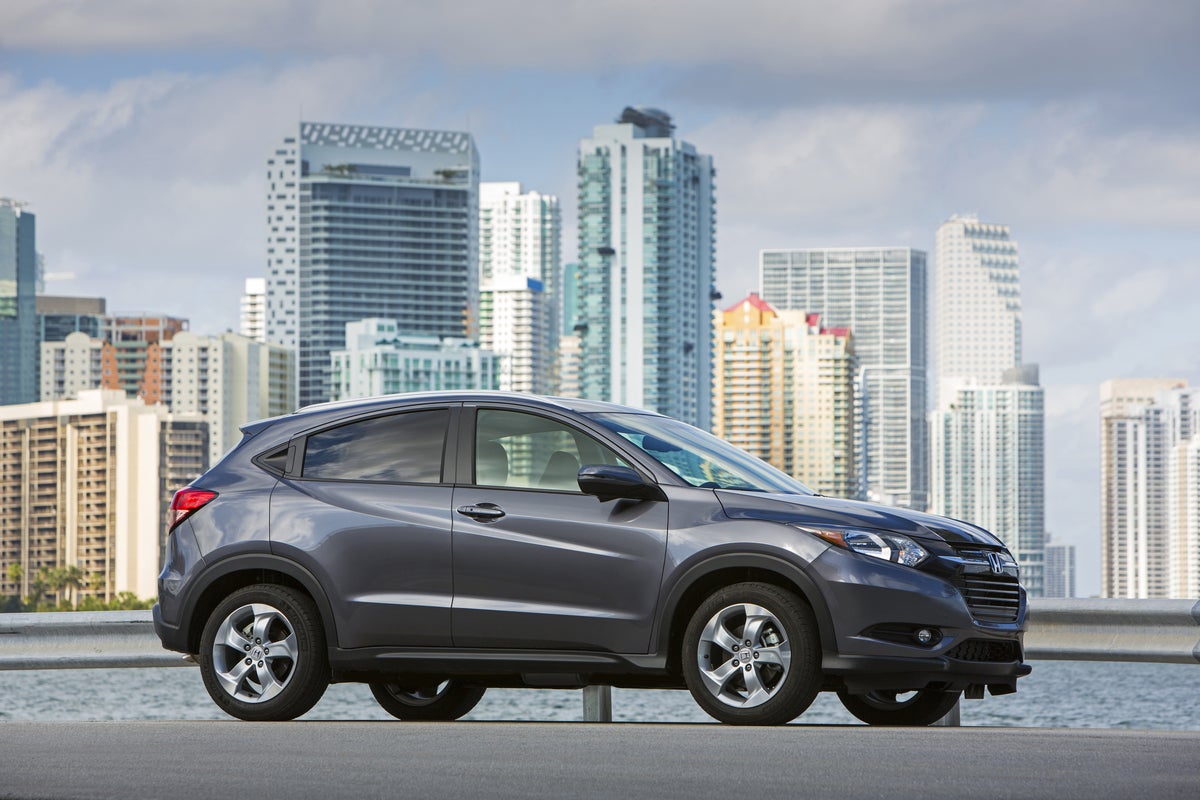
Hit the Road Affordably for NJ Weekend Fun Weekend trips around New Jersey feel a lot better when you are not stressing about your car payment. A smart way to save money and still enjoy plenty of freedom is to choose a budget-friendly used Honda SUV. You get space, comfort, and confidence on the road, without paying new-vehicle prices. That leaves more room in your budget for gas, food stops, park passes, and tolls. more From long drives to the Shore to quiet backroads in Hunterdon County, New Jersey offers all kinds of quick getaways. Used Honda SUVs in NJ fit these trips very well, especially when they are chosen with local driving in mind. Garden State Parkway traffic, tight mall parking lots, and winding roads near Round Valley and Spruce Run all call for a vehicle that is easy to live with, but still ready for adventure. We will walk through how to pick a used Honda SUV that feels practical, reliable, and ready for those last-minute weekend plans. Why Used Honda SUVs Fit New Jersey Weekends SUVs match the New Jersey lifestyle in a simple way: they carry people and stuff without a lot of drama. You can load up kids, friends, sports gear, beach chairs, coolers, folding tents, and still have room for the dog. The higher ride height gives you a better view in busy traffic and extra confidence when the weather turns rainy or snowy. Honda SUVs are known for long-term dependability and smart engineering. That makes them strong choices when you are shopping used, because you still want a vehicle that feels safe and modern. Good fuel efficiency also helps when you are driving from North Jersey to the Shore, or from Clinton to a day of hiking near the Delaware Water Gap. Most people in New Jersey ask a lot of their vehicles. You might commute during the week, then pack the SUV for road trips on the turnpike or weekend visits with family across the state. Models like the Honda CR-V, HR-V, and Pilot can slide from weekday errands to weekend fun without much effort. Many used examples include helpful features such as available all-wheel drive, flexible rear seats, and driver-assist safety tech that helps on crowded highways or when you are tired after a long day outside. Top Budget-Friendly Used Honda SUVs to Consider If you are starting your search for used Honda SUVs in NJ, it helps to know the personalities of the main models. Each one suits a slightly different lifestyle, but they all share smart design and everyday comfort. The Honda CR-V is a favorite for a reason. It is a compact SUV that still feels roomy inside, with a smooth ride and good fuel economy. The cargo area can hold beach bags, hiking packs, sports coolers, or a full grocery run with no problem. For many drivers, the CR-V hits the sweet spot between size, comfort, and easy parking. The Honda HR-V is a great pick if you want SUV versatility in a smaller package. It works well if you spend a lot of time in towns, at train stations, or in crowded parking lots around New Jersey. It is easier to squeeze into tight spaces, but still offers a hatch and fold-flat seats so you can carry bikes, storage bins, or camping gear. If you need more room for people and stuff, the Honda Pilot is worth a close look. It usually offers three rows of seating that work well for larger families, carpool groups, or friends heading to youth sports events around the state. There is space for bags and equipment, and the comfortable ride helps on longer trips to lakes, campgrounds, or mountain trails. You might also cross paths with the Honda Passport and other less common models. They can suit drivers who want more rugged looks and a bit more space than a compact SUV, but do not need three rows. Young professionals might lean toward the HR-V or CR-V, growing families might prefer the CR-V or Pilot, and empty nesters who still travel often might enjoy the comfort and cargo room of a well-equipped CR-V or Passport. How to Spot Real Value in a Used Honda SUV Not every used SUV is a great value, even if the price looks tempting at first. It pays to look a little closer at the details. Mileage, model year, service history, and overall condition all tell part of the story about how a Honda has been treated. Here are some basic things to pay attention to when you shop: Mileage that makes sense for the age of the SUV Service records that show regular oil changes and maintenance Clean interior and exterior with no major damage Smooth shifting, strong braking, and quiet suspension on a test drive Honda Certified Pre-Owned vehicles can bring extra peace of mind. These models go through inspections and include manufacturer-backed benefits and warranty coverage. That can help lower your risk while still keeping your budget in a comfortable range. For New Jersey driving, some features are especially handy: All-wheel drive for snowy or icy days Roof rails if you like to carry bikes, kayaks, or cargo boxes Rear seats that fold easily for sports gear or camping supplies Safety tech like adaptive cruise control and lane assist, when equipped A test drive on local roads is important. Try the SUV on faster highways, smaller town streets, and if possible, a few curvy roads. Check visibility, seat comfort, steering feel, and how easy it is to use the touchscreen, climate controls, and driver aids. Your used Honda SUV should feel natural both in daily traffic and when you break out for weekend fun. Smart Budget Strategies for Used Honda SUVs in NJ A clear budget makes shopping less stressful. Instead of focusing only on a sticker price, think about the full picture of what you can handle each month. That includes any loan payment, your planned down payment, insurance, fuel for regular trips across the state, and money you want to save for future service. Many drivers think through questions like these: What monthly payment range feels comfortable? How much can we put down without stretching too thin? How will insurance change with an SUV compared with our current vehicle? How far do we typically drive on weekends and vacations? Some buyers prefer to pay cash and keep things simple. Others choose to finance so they can hold on to savings. Financing through a dealership can help match different credit profiles with a loan, which can be helpful if your history is not perfect or you want flexible terms. Trade-ins also play a big role when people move into used Honda SUVs in NJ. Bringing your current car for an appraisal can lower the price of your next SUV and keep the numbers within reach. Spring can be a smart time to plan, when many people receive tax refunds and start thinking ahead to summer trips. Paying attention to seasonal offers can also help your budget go a little further. Plan Your Next NJ Weekend Adventure with Clinton Honda Once you have a sense of your needs and budget, seeing used Honda SUVs in person is the best next step. Walking around the vehicles, sitting in each row, and loading some gear or car seats can quickly show what fits your life. A test drive planned around your real habits, like school runs, highway stretches, or a drive near local parks, makes it easier to tell what is right for you. At Clinton Honda, we understand the mix of weekly commuting and weekend fun that shapes how people in New Jersey drive. Our team can help you compare used HR-V, CR-V, Pilot, and other Honda SUV options in a relaxed way, then support you through our service and parts center to keep your SUV ready for beach days, mountain hikes, and fall foliage drives for many seasons to come. Find The Right Pre-Owned Honda SUV With Confidence If you are ready to step into a dependable, family-friendly vehicle, our team at Clinton Honda is here to help you compare and test-drive used Honda SUVs in NJ that fit your needs and budget. We will walk you through features, history reports, and pricing so you can make a confident decision. If you have questions about inventory, financing, or trade-ins, simply contact us so we can help you take the next step.

Honda

Spring Car Buying Checklist for Used Hondas in New Jersey

Get Road Trip Ready This Spring with a Smart Used Honda Spring is a great time to upgrade your ride. Roads are clear, days are longer, and many drivers start planning road trips, graduations, and summer vacations. If you want a car that can keep up, a smart, reliable used Honda in NJ can be a strong choice. more Shopping in spring has some real perks. The weather makes test drives easier, more owners trade in their vehicles, and you still have time to get service done before the busiest driving months. With a simple checklist, you can stay organized, avoid stress, and feel good about the used Honda you pick. Define Your Spring Driving Needs and Budget First Before you look at even one car, it helps to know what you really need. Think about how you will use your Honda this spring and beyond. Do you have a daily commute on local highways, college drop-offs, or regular weekend trips down the shore or into the mountains? Your plans will shape the kind of car that makes sense. Set a clear total budget, not just a number in your head. That means thinking about: Price range for the vehicle How much you can put down at signing A monthly payment that feels comfortable Insurance, maintenance, and registration costs Next, sort your features into must-haves and nice-to-haves. Must-haves might include strong fuel economy, all-wheel drive for tricky New Jersey weather, roomy cargo space for sports gear, or advanced safety tech for packed highways. Nice-to-haves could be leather seats, a sunroof, heated seats, or premium audio. When you know what you will not give up, it is easier to compare cars. Different Honda models can match different New Jersey lifestyles. A Civic often fits daily commuters who want simple parking, good gas mileage, and an easy drive. A CR-V can work well for families, outdoor fun, or drivers who want extra cargo room. An Accord blends comfort, space, and efficiency for drivers who do a mix of city and highway miles. With a clear budget and a short list of must-haves, you are ready for the next step. Inspect the Vehicle History and Condition Like a Pro Once you find a used Honda in NJ that looks right on paper, it is time to get serious about its history and condition. A vehicle history report is a key first check. It can show if the car has been in reported accidents, if there are title concerns, if the mileage makes sense, and whether it was used for personal driving, as a lease, or as a rental. Any red flags here are worth pausing for. Then move to a slow, careful walk-around. On the exterior: Rust on wheel wells or along the bottom of doors Mismatched paint or panels that could hint at prior bodywork Uneven tire wear or low tread Cracks or chips in windows and lights Inside, look at the seats, carpets, and trim. Heavy wear, strong odors, or damage to panels can tell you how the car was treated. Turn on the car and test every switch you can: windows, locks, lights, wipers, audio, screen, and climate controls. Make sure warning lights on the dash turn off after the car starts. Under the hood, you want things to look clean but not freshly covered up. Check for wet spots or stains that might show leaks, and look at belts and hoses for cracks. If anything seems off, it is worth asking questions. A real test comes when you drive the car. Spring roads in New Jersey can still have potholes and rough patches, so pay attention to how the suspension feels. Notice how the car starts when cold, how it shifts, how it brakes, and how it steers at low speeds and on the highway, such as on Route 31 or I-78. Any shaking, pulling, or strange noises should be checked. If you choose a certified pre-owned Honda, you get added peace of mind from a detailed inspection, careful reconditioning, and warranty coverage. That extra layer can help you feel more relaxed every time you turn the key. Prioritize Safety, Reliability, and Seasonal Features A used Honda is known for long-term dependability, but it still pays to look closely at safety and basic upkeep. Focus on safety features that help in changing spring weather, like systems that can help warn you of possible collisions, assist with lane position, or support smoother cruising on the highway. These kinds of features can make daily drives a bit easier and more reassuring. Check reliability basics whenever you can. Service records are a big plus, especially regular oil changes and scheduled maintenance. Wear items matter too, especially right after winter. Have brakes, tires, and the battery looked at, since cold months and rough roads can be hard on them. Spring is also the right time to think about comfort and visibility. Helpful features include: Quality all-season tires that are in good shape Strong AC for warm days Fresh wiper blades that clear the windshield quickly Headlights that are clear, not foggy or yellowed A professional service check before your first long spring or summer trip can help keep your pre-owned Honda running smoothly for years. Compare Deals, Financing Options, and Trade-in Value Once you have a few favorites, look at total value, not just the sticker price. Compare: Model year and mileage Trim level and included features Overall condition inside and out Any certified pre-owned benefits A slightly higher price can make sense if it includes more safety tech, lower miles, or added coverage that could save you stress later. Financing is another big part of the puzzle when you shop for a used Honda in NJ. Many drivers choose to finance through the dealership, while others work with local lenders. Your credit score, loan term, and down payment all play a part in what your monthly payment will look like. A shorter term may mean a higher payment but can reduce total interest over time. Do not forget your current vehicle. Getting a trade-in estimate lets you see how your old car can lower the amount you need to finance and can even affect taxes. Seeing offers side by side can help you pick the plan that feels best for your situation. Drive Home Confidently with Clinton Honda This Spring When you follow a simple checklist, car shopping feels a lot less stressful. You define your driving needs and budget, carefully review history and condition, put safety and reliability first, and compare full deals, not just prices. The result is a used Honda that fits your life in New Jersey and helps you enjoy every mile. At Clinton Honda, we are a full-service Honda dealership in Clinton, New Jersey, offering quality new and used Honda vehicles, financing options, and service and parts. Our team is here to guide you through each step, from picking the right model and trim to answering questions about features, inspections, and financing. With the right checklist and the right support, you can head into spring in a dependable pre-owned Honda that feels like it was made for your driveway. Drive Home Confidence With The Right Used Honda If you are comparing options for a reliable used Honda in NJ, we are ready to help you find the one that fits your life and budget. At Clinton Honda, our team can walk you through vehicle history, pricing, and financing so you can decide with confidence. Whether you want to schedule a test drive or talk through your options, contact us and we will follow up promptly.

Honda

NJ Honda Lease Turn-In Wear and Tear: Charges, No-Charges, Documentation

Returning a leased Honda can feel stressful when you are not sure what will count as a problem. Many drivers worry about scratches, small dents, and winter wear, and they are not sure what will lead to a charge at turn-in. When you know what counts as normal use and what is labeled excess damage, the whole process feels a lot easier. more This guide explains how wear and tear is usually judged at a Honda lease return in NJ, what often gets charged, what usually does not, and how to document your vehicle so there are fewer surprises. Spring is a common time for lease ends, and it is also when salt, potholes, and cold weather have already done their work, so it is a good moment to take a clear look at your Honda and plan ahead. Understanding Honda Lease Wear and Tear Standards Most Honda lease agreements separate wear and tear into two buckets: normal use and excess wear. Normal use is the kind of light wear that comes from driving and caring for your car over a few years. Excess wear is damage or neglect that goes beyond what a typical driver would have after the same time and miles. Inspectors usually review a few main areas during a Honda lease return in NJ. They look at the body and paint for dents, scrapes, rust spots, and touch-up work. They check glass for chips or cracks. They inspect wheels and tires, including tread depth and even wear. They also test basic mechanical items and look over the interior upholstery, dash, and trim. Some examples of normal wear include small door dings, light surface scratches that do not go through the paint, and gentle scuffs on the bumper. On the inside, light seat creasing, minor carpet wear under mats, and tiny marks on plastic trim are usually fine. Excess wear often means large or sharp dents, deep scratches into the metal, cracked or starburst glass, bald tires, strong odors, burns, or torn seats. What Usually Gets Charged at Lease Turn-In Lease-end charges usually come from damage that is clearly beyond everyday use. For the exterior, common issues that can trigger fees include dents larger than a credit card, especially if there are several in one area. Deep scratches that cut through the paint or primer, long scrapes along the side, and large paint chips can also be flagged. Glass is another big one. Cracked or chipped windshields, especially in the driver’s field of view, often lead to charges if they are not repaired ahead of time. Broken or cloudy headlights or taillights, cracked mirrors, and missing or damaged trim pieces can be marked as well. Tires are checked for tread depth, damage, and matching size and type. Mismatched tires, tires that are worn beyond acceptable tread, or sidewall bubbles may lead to fees. Wheels with heavy curb rash or cracks may also be included. Inside the car, certain problems almost always stand out, such as: Cigarette burns in seats, headliners, or carpets Pet damage like deep scratches, rips, or chewed trim Strong smoke or other odors that do not come out with simple cleaning Large stains, ink marks, or dye transfer that cannot be cleaned Holes, tears, or missing chunks of cloth or leather Drivers sometimes forget about less obvious chargeable items too. Missing key fobs, missing owner’s manuals, and missing original accessories like cargo covers, rear headrests, or factory floor mats can show up on the inspection report. Heavy aftermarket changes that are not reversed, such as drilled holes, non-factory body kits, or tinted lights, may be billed if the car must be brought back to standard condition. What Usually Does Not Trigger Extra Lease Charges The good news is that not every mark on your Honda means a fee. Normal daily wear is expected and usually allowed within clear limits. On the exterior, this often includes: Small stone chips on the hood or front bumper Light swirl marks from washing and normal cleaning A few small dings that do not break the paint Minor scuffs on the bumper from loading cargo Inside the cabin, slight seat creasing from regular use, small surface marks on plastic trim, and light carpet wear where your heels rest are usually not a problem. Faint stains that can be cleaned, or tiny marks that are hard to see without looking closely, are often considered normal. Most finance companies also give some room for mileage and small blemishes. Your lease guide likely explains how many small dings or scratches are allowed and what size is acceptable before a charge appears. It is a good idea to review that guide so you know where you stand. Routine maintenance plays a big part in avoiding end-of-lease issues. When oil changes, tire rotations, and basic services are done on schedule and documented, you are less likely to face penalties tied to neglect. Keeping up with maintenance helps protect things like brakes, tires, and engine health, which inspectors may note if there are clear signs of abuse. How to Document Condition and Prepare for Inspection A simple self-check 60 to 90 days before your Honda lease return in NJ can save a lot of stress. Start by giving the car a thorough wash so you can see the surface clearly. Then do a slow walk around, looking closely at each panel in good light. Take wide photos of each side, then closer shots of any dings, scrapes, or chips you notice. For tires, turn the steering wheel so you can see the tread, and take photos of each tire face and sidewall. Checking tread depth with a simple coin test can give you a basic idea of wear. Inside, vacuum the carpets, wipe down surfaces, then take photos of all seats, the dash, door panels, and trunk or cargo area. When you take close-up photos of damage, include a coin or a standard card for scale so the size is clear. Make sure pictures are in focus and taken from a couple of angles. Keep digital copies organized in a folder along with receipts for any bodywork, glass repair, detailing, or maintenance you complete before inspection. Some simple prep steps can help your car look closer to its original state. A professional interior detail can often remove light stains and reduce odors. Repairing small windshield chips before they spread, replacing worn wiper blades, and taking care of burned-out bulbs are all smart moves. For larger issues, getting advice before spending money on repairs can help you decide what makes sense. Partner With Clinton Honda for a Smooth Lease Turn-In When your lease is almost up, it helps to have local support from people who work with Honda lease returns every day. At Clinton Honda, we understand the wear and tear questions New Jersey drivers face, from winter road salt and potholes to daily commuting and family use. Our team can look over your vehicle’s condition, explain what is likely to be marked as excess wear, and talk through options for addressing it. If you are thinking about what comes after your lease, we can also help you review choices like leasing a new Honda, financing the one you have been driving, or moving into a pre-owned Honda that fits your changing needs. With some early planning and clear information, turning in your leased Honda can feel simple, predictable, and much less stressful. Simplify Your Honda Lease Return With Local Experts If your lease is ending soon, our team at Clinton Honda is ready to guide you through every step. Explore your options for a smooth, stress-free Honda lease return in NJ, whether you plan to lease again, buy, or move on. We will review your vehicle, explain any potential charges, and help you choose the best next move for your budget. If you have questions or want to schedule an appointment, contact us today.

Honda EV

Financing a Honda EV in New Jersey Without Breaking Your Budget

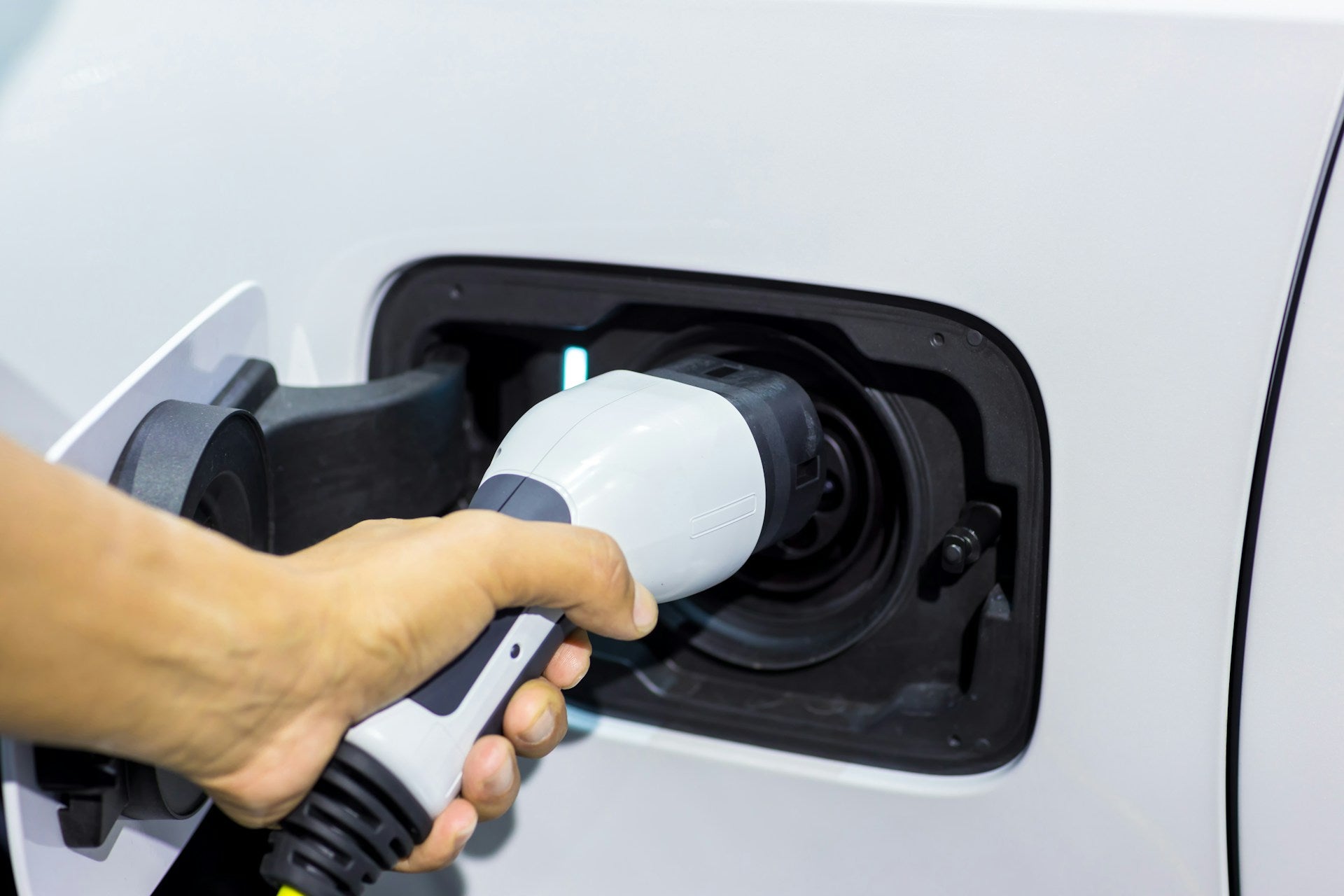
Drive Electric in New Jersey Without Draining Your Wallet Switching to an electric vehicle can feel like a big money decision, but it does not have to wreck your budget. More drivers across New Jersey are starting to look at electric options because gas prices keep swinging up, clean energy goals are getting stronger, and public chargers are easier to find in many areas. more When you look past the first price tag and start thinking about what you spend month after month, a Honda EV in NJ can be a practical, money-smart choice. You can cut fuel costs, spend less time at the service lane, and enjoy a smooth, quiet drive. With thoughtful financing, smart use of incentives, and the right support from a local dealership, going electric can be much more affordable than many people expect. Why a Honda EV in NJ Makes Financial Sense One of the biggest wins with an electric vehicle is how you power it. Electricity in New Jersey is usually more stable in cost than gas, and when you charge at home you avoid surprise stops at the pump. You plug in at night, then wake up to a “full tank” that is ready for your daily drive. EVs also have fewer moving parts than gas engines. There is no engine oil to change, no spark plugs, and no exhaust system to worry about. With less to replace over time, many owners find that routine maintenance can be more predictable. Brake systems on many EVs also experience less wear because the car can slow itself using the electric motor in many driving situations. Honda is known for long-lasting vehicles and strong resale value. That matters for your wallet too. A vehicle that holds value helps protect what you have put into it if you decide to trade it in down the road. When you pair that with the lower day-to-day running costs of an EV, it can be easier to keep your monthly budget on track. New Jersey drivers can also benefit from local conditions. The state has been growing public charging options in many communities, so it is getting easier to find a place to plug in when you are away from home. Typical driving patterns, like weekday commutes to nearby towns or weekend trips to the shore, fit well within the range offered by many electric models. When you match your daily miles to the right Honda EV in NJ, you can enjoy the savings without worrying about range. Breaking Down Incentives and Rebates for NJ EV Buyers Incentives can play a big part in making an electric vehicle easier on your wallet. Federal programs may offer tax credits for qualifying new EV or plug-in hybrid models, which can lower what you effectively pay for the vehicle. These savings often show up at tax time, so they can feel a bit different than a discount at the register, but they still matter for your total cost. New Jersey has also offered programs for electric vehicles from time to time, such as state rebates or different tax treatment for some zero-emission vehicles. Some programs may help with purchase costs, while others may relate to registration or other ownership expenses. These programs can change, so it is important to check what may be available when you are shopping. Sorting through incentives can feel confusing, especially if you are trying to match income limits, vehicle types, or timing rules. This is where a dedicated finance team at a dealership can help. By walking through your situation, they can help you understand possible eligibility, give you a sense of how incentives may affect your numbers, and show how those savings might reduce what you pay up front or over time. Smart Financing Strategies for Your Honda EV Purchase How you choose to pay for your EV is just as important as which model you pick. Many New Jersey drivers wonder if they should lease or go with a traditional loan. Leasing often gives you a lower monthly payment compared with buying the same new vehicle, and it can make it easier to upgrade later as EV technology changes. On the other hand, financing a purchase builds ownership, which some people prefer if they plan to keep the vehicle longer. To keep your payment where you want it, it helps to think through a few details: Choose a trim level that covers what you truly need, instead of loading on every option Look at different loan terms to see how they affect the monthly amount Consider certified pre-owned plug-in models if you want the benefits of an EV with a lower starting price Watch for special promotions that may be offered at certain times of year Getting pre-approved before you shop can also make a difference. When you know your budget and have a sense of what a lender is willing to offer, it is easier to focus on vehicles and trims that fit your comfort zone. A dealership that offers customized financing options can help match you with plans that line up with your goals, whether that is the lowest payment, faster payoff, or more flexibility in the future. Lower Your Total Cost of Ownership with Thoughtful Planning Once you take your Honda EV home, small choices can keep costs low over the long run. Many owners choose to install a Level 2 charger at home, which lets the car charge faster than a standard household outlet. The equipment and installation are an investment, but the cost can be spread out over the years you own the vehicle. When you charge at home, you also gain more control over your “fuel” expenses, and some drivers choose to plug in during off-peak rate times if their electric plan offers that option. Daily driving habits also affect your bottom line. Gentle acceleration, steady speeds, and smart use of climate settings can help you get more miles from each charge. Route planning apps can show you where chargers are along the way so you can pick spots that are free or low-cost when possible. Over time, these small habits can add up. Maintenance still matters with EVs, even if there are fewer parts to service. Tire care, brake checks, fluid checks, and software updates all help the car run its best. A service department with factory-trained Honda technicians can provide the right care schedule for your specific model and keep an eye on battery health and other electric systems. Staying on top of these visits helps avoid small issues turning into bigger, more expensive problems later. Take the Next Step Toward an Affordable Honda EV The smartest way to see if an electric vehicle fits your budget is to compare your own numbers. Think about how far you drive in a typical week, what you usually spend on gas, and what your home electricity costs look like. When you stack those details against possible EV payments, charging costs, and lower maintenance needs, the big picture often looks more friendly than many expect. Clinton Honda in Clinton, New Jersey, is ready to help local drivers sort through options, from exploring electric and plug-in models to reviewing financing paths and trade-in values. With clear information, patient guidance, and a focus on your comfort level, making the move to a Honda EV can feel less like a leap and more like a smart, steady step toward a cleaner, more cost-aware way to drive. Experience Confident Honda EV Ownership In New Jersey If you are ready to get more from your Honda EV in NJ, we are here to help you save on service and stay road-ready. At Clinton Honda, our team can answer your questions, schedule maintenance, or walk you through available offers tailored to your EV. Reach out with any questions or to set up your next visit and contact us today.

Honda Civic

Local Shoppers’ Guide to Honda Civic Deals in New Jersey

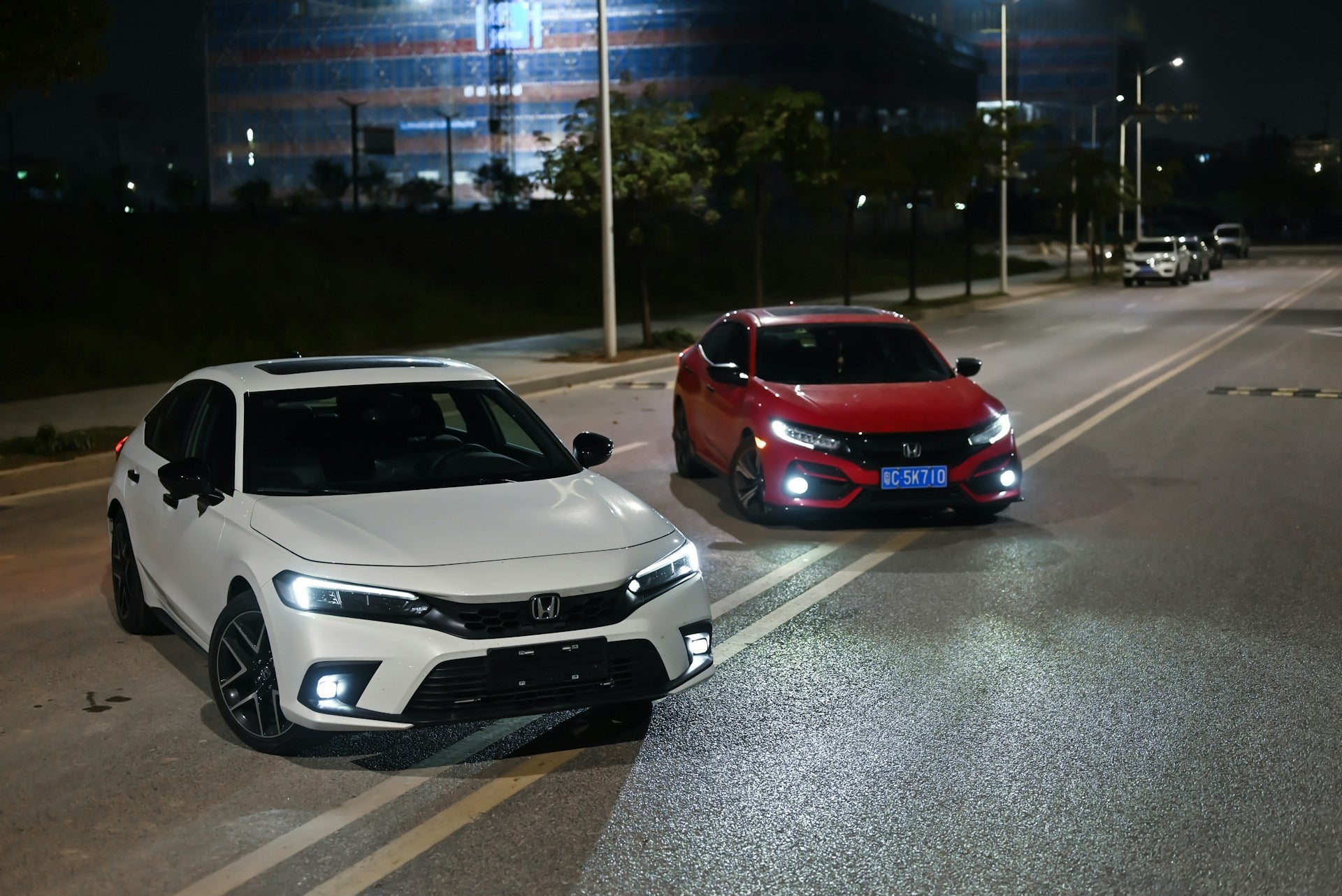
Unlock Spring Savings on Your Next Honda Civic in NJ Shopping for a Honda Civic in NJ is a smart move for anyone who wants a reliable, comfortable car that keeps everyday driving simple. Early spring is a great time to start because fresh Civic inventory usually rolls in, and dealerships focus on helping shoppers move into new model years. That means more choices on the lot and more chances to find a trim and payment plan that feel right for you. more The Honda Civic is a favorite with New Jersey drivers who want good gas mileage, easy tech, and a car that feels at home on I-78, Route 31, or local roads around Hunterdon County. Whether you are commuting, heading to school, or just running daily errands, a Civic can fit your routine without a lot of drama. Our team loves helping local shoppers compare different Civic options, understand current offers, and find deals that match real budgets. Why New Jersey Drivers Love the Honda Civic The Honda Civic has a strong reputation for staying dependable day after day, which matters when you are driving between towns like Clinton, Flemington, and Bridgewater. Many drivers spend a lot of time on the highway, and the Civic is built to sip fuel instead of burn through it. For anyone who makes regular trips into New York City or Philadelphia, that kind of fuel efficiency can make long drives feel easier on your wallet. Safety and tech are big reasons people search for a Honda Civic in NJ. Many Civic models come with driver-assist features, helpful alerts, and systems that support awareness on busy roads. Smartphone integration helps you keep your music, maps, and calls organized while you stay focused on the road ahead. Body styles and trims also give you choices. The Civic Sedan is a great fit for daily commuters and small families who want a smooth ride and a comfortable back seat. The Civic Hatchback offers flexible cargo space for sports gear, small furniture, or weekend bags. Sportier trims add a fun feel for drivers who enjoy a more spirited drive on open stretches of road. From first-time buyers to seasoned commuters, there is usually a Civic configuration that lines up with everyday needs. Find the Best Honda Civic in NJ for Your Budget One of the first decisions is choosing between a new, used, or Honda Certified Pre-Owned Civic. A new Civic gives you the latest styling and tech, along with new-car warranty coverage. A used Civic can help keep payments lower, and many drivers like that they can get into a higher trim while staying within a set budget. Honda Certified Pre-Owned models go through added checks and include extra peace of mind compared with standard used vehicles. Matching your budget to a trim level comes down to knowing your must-haves versus your nice-to-haves. Some shoppers focus on comfort features like heated seats for cold New Jersey mornings. Others care more about built-in navigation, upgraded audio, or certain driver-assist systems. We often suggest that drivers start with a short list that might include: Safety and driver-assist features Comfort items like heated seats or dual-zone climate control Convenience features like remote start or keyless entry Tech needs such as smartphone integration or navigation New Jersey buyers should also remember common costs like taxes, registration, and insurance. These items affect the total amount you pay, not just the vehicle price. Our team works to provide clear, out-the-door numbers so you can see how everything fits into your monthly budget before you make any decisions. Time Your Civic Purchase for Maximum Spring Value Early spring can be a helpful time to shop for a Honda Civic in NJ because dealers are often focused on new model-year traffic. This can be a period when lease and finance offers appear to help shoppers move into a Civic with more ease. With more inventory arriving, you may also see a wider mix of colors, trims, and body styles to pick from. Timing your visit within the week can matter too. Many people shop on weekends, so weekday visits can sometimes feel more relaxed, with more time for questions and test drives. Shopping closer to the end of the month can also work in your favor, since this is when many buyers are finalizing their choices and dealers may be reviewing current programs and vehicles on hand. If you plan to trade in your current vehicle, spring is a good time to start getting it ready. Cleaning the interior and exterior, taking care of simple items like personal belongings, and gathering your service records can help your vehicle make a better first impression. Tools that give an instant trade estimate can also help you see how your current car might lower the payment on your next Civic before you visit in person. Smart Financing and Leasing Tips for NJ Civic Shoppers Financing or leasing a Civic should feel clear, not confusing. Buying works well for drivers who expect to keep their car for many years or who put a lot of miles on the odometer with long highway trips. Leasing can be a good fit for drivers who like to change vehicles more often, keep up with newer tech, and usually drive a set number of miles each year around Hunterdon County and nearby areas. Getting ready before you visit can help your approval odds and make things move faster. It helps to: Review your credit so you know what to expect Gather proof of income and residence List any monthly payments that may affect your budget Use pre-approval tools so you understand your range Your down payment, the length of your loan or lease, and your interest rate all work together to shape your monthly payment. Putting more money down may help lower the monthly amount, while a longer term can spread payments out, often with a higher total cost over time. Our finance team spends time talking through these choices so your final plan matches how you actually live and drive in New Jersey. Make Clinton Honda Your Local Civic Deal Destination When you are ready to move forward, we make it simple to explore Civic options from home. You can review current Honda Civic inventory, compare trims and colors, and look at real-time pricing along with any specials that may apply. This helps you narrow your choices and arrive with a clear idea of which vehicles you want to see up close. Scheduling a test drive is easy, and we offer flexible hours so you can visit around your workday or weekend plans. Our showroom has a laid-back, no-pressure approach, which gives you time to sit in the Civic, test the tech features, and decide what feels right without rushing. Choosing a local dealership for your Civic also pays off after you drive home. Our service team is trained to work on Honda vehicles, and we use genuine Honda parts for repairs and maintenance. From regular oil changes to long-term care, we support Civic owners throughout their ownership so the car you pick today keeps serving you well on New Jersey roads for years to come. Drive Home Comfort, Value, And Reliabilit y If you are ready to experience the perfect balance of efficiency, comfort, and technology, explore the Honda Civic in NJ with Clinton Honda. Our team is here to walk you through trims, features, and financing options so you can choose with confidence. Whether you are comparing models or have specific questions, we will take the time to give you clear, straightforward answers. If you would like personalized guidance before you stop by, feel free to contact us.

Honda

Fueling Your Commute with Honda Hybrid Cars in New Jersey

Long New Jersey commutes can wear you down. Between tolls, traffic, and rising gas prices on I-78, Route 31, the Turnpike, and the Garden State Parkway, many drivers feel like they are living in their cars. A hybrid can help cut that stress. Honda hybrid cars in NJ give you strong fuel economy, a quiet ride, and the everyday comfort you want when you spend a lot of time behind the wheel. more In this guide, we explain how Honda hybrids work in simple terms, why they are a smart match for New Jersey roads, and which models fit different driving needs. We also share easy tips to get the most from a hybrid in all seasons and touch on smart ways to pay for one, so your commute feels smoother and easier every day. Why Honda Hybrids Make Sense for New Jersey Drivers A Honda hybrid uses both a gas engine and one or more electric motors. At low speeds and in light traffic, the electric motor can move the car on its own. When you speed up or merge on the highway, the gas engine steps in and works with the electric side. The car’s system chooses the best mix for you, so you do not need to change how you drive. This setup works especially well in New Jersey traffic. In stop-and-go conditions near Newark or Morristown, the electric motor can do more of the work, which helps save fuel that regular gas-only cars would burn while idling. On longer stretches of highway, like heading toward Bridgewater or down the Parkway, the gas engine can settle into an efficient cruise while the hybrid system helps keep things smooth. Hilly country roads in Hunterdon and Somerset counties can also be tiring for a typical gas car. With a Honda hybrid, the electric motor helps you pull up hills with less strain, then captures energy when you go back down. That energy goes into the battery, ready to help again when you need it, which can make the drive feel easier and more relaxed. Many drivers have a few common concerns about hybrids. One is battery life. Honda designs its hybrid batteries to last for years of daily use, even for people who put plenty of miles on their car. Another is winter driving. Modern Honda hybrids are built to handle cold weather, and the systems are designed so the gas engine can support the battery when temperatures drop. A third concern is reliability, and Honda has a long history of building cars that are known for long-term value, which matters a lot if you drive a lot of miles around the Garden State. Top Honda Hybrid Cars in NJ for Daily Commuters Different commutes call for different kinds of Honda hybrid cars in NJ. Two of the most popular choices for daily driving are the Honda CR-V Hybrid and the Honda Accord Hybrid. Each one brings its own strengths, so the right pick depends on how and where you drive. The Honda CR-V Hybrid is a great fit if you want a higher seating position and extra space. It is well suited for drivers who: Deal with rougher roads or unpaved driveways Need room for kids, strollers, or sports gear Like the added confidence of an available all-wheel drive system Want a comfortable ride in bad weather, including snow and ice The Honda Accord Hybrid leans toward comfort and long highway stretches. It tends to work well for commuters who: Spend most of their time on I-78, the Turnpike, or Route 22 Want a smooth, quiet cabin for phone calls and audio Often carry one or two passengers instead of a full load of cargo Prefer a sedan feel with strong fuel savings Solo commuters might enjoy the calm and efficiency of an Accord Hybrid, while carpoolers or young families may prefer the space and flexibility of a CR-V Hybrid. Drivers who often face winter conditions or head to the shore on weekends may lean toward the added traction and cargo room of an SUV-style hybrid. Test drives are the best way to feel the difference. A short loop that includes hilly roads, mixed city and highway speeds, and a few rough spots in the pavement can show you how each model behaves in real New Jersey conditions. That kind of hands-on comparison helps you decide what feels right for your daily route. Maximizing Hybrid Performance Through NJ Seasons New Jersey roads change a lot over the year. In spring and summer, you may see more rain, heavier shore traffic, and more weekend trips. Later in the year, colder weather and early sunsets can affect how you use your hybrid. With a few simple habits, you can keep your Honda hybrid working at its best in every season. For day-to-day driving, try these tips: Use Eco mode for most commuting to help the car favor electric power when possible Accelerate smoothly instead of flooring the pedal, which keeps the system in its efficient range Plan routes that avoid heavy stop-and-go when you can, even if the distance is slightly longer Check tire pressure often, since temperature swings can cause it to change Clear extra weight out of the cargo area so the car does not work harder than it needs to In warmer months, good air conditioning use matters too. Setting a steady, moderate temperature instead of blasting the cold air on and off can help the car manage energy more efficiently. On long trips to the shore, using cruise control where it is safe can also help the hybrid system maintain smooth, steady operation. When winter comes back around, hybrids still work well with a few extra steps. Give the car a bit of time to warm up, but avoid long idling. Use heated seats and steering wheel features if your model has them, since they can warm you quickly without needing to raise the cabin temperature as much. If your hybrid has an all-wheel drive system, it can add confidence on snowy or icy days, especially on hills and back roads. Smart Financing and Incentives for Honda Hybrids Choosing how to pay for a Honda hybrid is almost as important as choosing the model itself. Many New Jersey commuters like to compare leasing and buying. Leasing can be helpful if you want to update your vehicle more often and keep up with newer hybrid technology. Buying can be a better fit if you drive a lot of miles each year or plan to keep your car for a long time. When you think about your budget, it helps to look beyond the monthly payment. Hybrids can reduce what you spend on fuel over time, which can change what feels comfortable for your total car costs. Some insurers may offer savings for vehicles with certain safety and driver-assist features, which many Honda hybrids include. It is also worth checking what benefits might be available in your area for hybrid ownership. Some drivers may find programs from local groups or utility companies that support efficient vehicles. These can sometimes help lower the overall cost of owning a hybrid. For drivers who want the advantages of hybrid technology with a lower upfront cost, certified pre-owned hybrid models can be a smart option. These vehicles go through checks before they are offered for sale, and they often include added coverage from the manufacturer. That mix of value, efficiency, and peace of mind can work well for commuters who are watching their budget but still want Honda quality. Visit Clinton Honda and Electrify Your Daily Drive Honda hybrid cars in NJ are built for the kind of driving many local commuters face every single day. Long stretches of highway, crowded ramps, rolling country roads, and changing weather all play to the strengths of hybrid power. With smoother performance and fewer stops at the gas pump, your daily trip can feel less draining and more comfortable. At Clinton Honda, we focus on helping drivers match their real-world routes to the right Honda hybrid. Whether you spend your mornings on I-78 heading east, move between towns in Hunterdon and Somerset counties, or split time between local errands and weekend trips, there is a hybrid that can fit your life. When you are ready to make your commute easier, our team is here to help you explore, compare, and choose the Honda hybrid that feels just right for you. Discover Smarter Driving With A New Honda Hybrid If you are ready to enjoy efficient performance and advanced technology, explore our selection of Honda hybrid cars in NJ. At Clinton Honda, we will help you compare options, review features, and find the hybrid that fits your daily driving needs. If you have questions about availability, financing, or a test drive, contact us and our team will follow up promptly.

Brake Service

Hidden Costs of Skipping Honda Brake Service in New Jersey

Hidden Brake Dangers New Jersey Drivers Cannot See Brake problems often start long before anything feels wrong from the driver’s seat. Your Honda can still stop, the pedal can feel normal, and there might be no warning lights, even when important parts are already worn or damaged. Many New Jersey drivers do daily commutes on the Parkway, 287, or local routes and have no idea their stopping power is slowly fading. more Our local roads do not go easy on brake systems. Stop-and-go traffic, deep potholes, and harsh winters all speed up wear in ways that are easy to miss. It can feel smart to delay service when the brakes seem “fine,” but skipping recommended Honda brake service in NJ often trades short-term savings for bigger repair bills, safety risks, and even insurance or legal trouble later on. How New Jersey Roads Quietly Destroy Your Brakes Winter is one of the biggest enemies of your brakes. Road salt, slush, and moisture cling to the underside of your Honda. As temperatures drop at night and warm up again during the day, water and salt work into tiny gaps on rotors, calipers, and brake lines. After many freeze-thaw cycles, rust can build up, parts can stick, and surfaces that should be smooth can turn rough. Potholes and rough pavement do their own kind of damage. When you hit a hard bump, the shock travels through the suspension and can affect how your brakes sit against the rotors. Over time this can cause: Uneven pad wear Warped rotors Loose or noisy hardware Extra strain on wheel bearings Hilly areas in New Jersey add even more stress. Riding the brakes down long grades on local back roads or highways creates heat. Heat breaks down brake pads and can glaze the surface, so they grip less. Add in heavy traffic on I-78, Route 31, or local school drop-off lines, with constant starting and stopping, and your brake pads can wear faster than your odometer suggests. Even if you do not rack up a lot of miles, that repeated light braking can thin pads and overheat rotors long before you expect it. The Real Cost of Delaying Honda Brake Service in NJ Delaying a simple brake check might feel harmless, but small issues grow when they are left alone. A set of worn pads that could have been replaced early can grind down into the rotor surface. Once that happens, the rotor often needs to be machined or replaced. If a caliper sticks because of rust or old fluid, it can drag one wheel, overheat that corner, and damage pads, rotors, and sometimes even wheel bearings. When brake parts get very worn, electronic systems can start to suffer too. Failing rotors or uneven wheel speed can stress ABS sensors and related parts. Even a minor sensor issue can trigger warning lights and may require more involved repair than a basic brake service. There are also financial ripple effects that reach far past the repair bill. Longer stopping distance makes it easier to tap the car in front of you in traffic. A small rear-end collision can lead to: Higher insurance premiums Tickets or citations Time lost dealing with repairs and paperwork Possible legal claims if someone is hurt On top of that, keeping your Honda brake service in NJ on schedule can help protect warranty coverage and keep your maintenance history strong. When you go to sell or trade in your vehicle, documented brake service from trained professionals can support resale value and show that the car has been cared for. In many cases, that helps keep the total cost of ownership lower over the life of the vehicle. Safety Risks You Inherit When You Ignore Brake Warning Signs Brake problems rarely start with a total loss of stopping power. They usually whisper first. Drivers often get used to early signs like a light squeak at low speeds or a faint grinding noise that comes and goes. Other subtle red flags include: Longer pedal travel than usual A soft or “spongy” brake pedal Vibration in the steering wheel or pedal when stopping A burning smell after heavy braking Each of these hints points to something happening in the system. Longer pedal travel can mean worn pads or air in the brake lines. A burning smell can be a dragging caliper or overheated pads. Vibration can signal warped rotors or uneven pad deposits. On real New Jersey roads, these small changes can turn into big hazards. Wet spring roads can already reduce grip, so any extra stopping distance can be the difference between a close call and an impact. On long hills, brake fade can show up as a pedal that feels harder to control. If one side grabs more than the other during an emergency stop, your Honda can pull to one side, which makes it harder to stay in your lane and avoid obstacles. For drivers carrying family or other passengers, ignoring these warning signs adds risk for everyone in the vehicle. Putting off a brake check before spring and summer trips means you may be heading out on crowded highways with a system that is not ready for sudden stops, last-minute merges, or traffic slowdowns. Why Certified Honda Brake Service Beats Quick Fixes All brake service is not the same. Factory-trained Honda technicians are familiar with how your specific model is designed, how its braking system is laid out, and how it should perform. That helps them find the true source of a problem instead of just treating the symptom. They can look at pads, rotors, calipers, brake fluid, and related parts as a complete system. Using genuine Honda parts helps keep the brake feel and performance your vehicle was built to deliver. When service follows Honda-recommended intervals, it supports overall reliability and can help prevent unexpected issues with modern braking technology. Many quick-service shops work on many brands with a one-size-fits-all approach, which can miss Honda-specific components and electronic systems. At a dealership service department, you also gain extra layers of support, such as: Multi-point inspections while your Honda is already in the bay Service history tracking so nothing gets forgotten Clear, transparent recommendations so you can plan work in stages A better picture of how all systems, not just brakes, are aging This kind of care can reduce surprise breakdowns and help you schedule maintenance before it becomes urgent. Smart Seasonal Strategy to Protect Your Honda Brakes New Jersey’s seasons give you a simple way to time your brake care. An end-of-winter brake check around March helps catch salt damage, rust, or wear from months of cold, wet driving. A pre-winter inspection before the first hard freeze helps make sure pads, rotors, and fluid are ready for slick roads and darker commutes. Between visits, drivers can watch for small changes that often appear first. Pay attention if: A new noise starts when you brake The pedal feels different, softer or harder than before The car pulls slightly to one side when you stop Any brake or ABS warning lights come on Adjusting driving habits can also protect your brakes. Avoid aggressive braking when you can, leave extra space in traffic, and try not to overload your vehicle with heavy cargo. This keeps heat lower and wear more even. Planning Honda brake service in NJ before spring and summer travel helps make sure your vehicle is ready for long highway runs, holiday traffic, and warmer weather, when worn parts are more likely to fail under stress. Scheduling ahead also makes it easier to find appointment times that fit your routine, instead of waiting for a problem to force an urgent visit. Take the Next Step Toward Safer Braking with Clinton Honda Hidden brake wear can lead to avoidable repairs, accident risk, higher insurance costs, and a lot of stress. New Jersey roads and weather are hard on every part of your braking system, from pads and rotors to calipers and sensors. When regular inspections are skipped, small issues grow, stopping distance increases, and the chance of a costly or dangerous situation grows with it. At Clinton Honda in Clinton, we focus on helping drivers stay ahead of these problems with trained technicians, quality parts, and complete brake checks that look beyond the obvious. Keeping up with Honda brake service in NJ is one of the simplest ways to protect your vehicle, your budget, and everyone who rides with you. Keep Your Honda Stopping Safely With Expert Brake Care If you are hearing unusual brake noises or noticing longer stopping distances, we are ready to help you address the issue before it becomes a bigger problem. Schedule your Honda brake service in NJ with Clinton Honda so our certified technicians can inspect, repair, or replace your brake components using quality parts. We will walk you through what your vehicle needs, answer your questions, and provide clear, upfront recommendations. If you prefer to speak with our team first, feel free to contact us.

Honda Civic

Evaluating a Used Honda Civic in NJ for First-Time Buyers

Start Smart with Your First Used Honda Civic Purchase Buying your first car is a big deal, and a used Honda Civic is a smart place to start. The Civic is known for reliability, good fuel economy, and strong resale value, which makes it a favorite for newer drivers in New Jersey. It is small enough to park and easy to handle, but still feels solid on highways and in bad weather. more Shopping for a used Honda Civic in NJ gives you a lot of choice. You can find different model years, trims, and mileage ranges, along with vehicle history reports and service records. Dealers often price used Civics competitively, and a well-kept one can fit many first-time buyer budgets. When you work with a trusted New Jersey dealership, the process usually feels clearer and less stressful. As a first-time buyer, it helps to know what you can realistically afford, what condition to expect at different price points, and how financing works. It also helps to think about how your Civic will handle local weather, from cold, salty winters to wet spring roads and hot summers. We will walk through how to set a smart budget, inspect a car, match trims to your lifestyle, and handle your test drive and paperwork with confidence. Know Your Budget and Total Cost of Ownership Before you step onto a lot, decide how much you are comfortable spending. Start with two numbers: what you can put down and what you can handle each month. Most used car loans stretch over several years, so you want a payment that still feels okay if your other bills, like rent or food, change a little. When you think about a used Honda Civic in NJ, do not just think about the price on the windshield. Think about the total cost of ownership too. This usually includes: Insurance Registration and title fees New Jersey inspection Fuel Routine maintenance Possible repairs Insurance for a Civic is often reasonable, but it can change based on your age, driving record, and coverage level. New Jersey also has its own fees for registration and inspection that you will need to plan for. Regular oil changes, brake work, and tires are normal over time, especially if the car has already been through a few winters. Your credit score plays a big role in your interest rate and monthly payment. A higher score can mean a lower rate, which can make the same car more affordable. Getting prequalified or preapproved before shopping can help you stay focused on options that fit your budget. At a full-service dealership, you can usually explore different finance programs, including options that may work for first-time buyers or those with limited credit history. Inspecting a Used Honda Civic Like a Pro When you walk up to a Civic you are considering, take a slow lap around it. You do not need to be a mechanic to spot basic warning signs: Rust along the wheel wells and under the doors Uneven gaps between body panels Scratches, dents, or mismatched paint Cracks or chips in the windshield and windows Tires with uneven wear or very low tread New Jersey winters can be tough on metal, so rust is something to pay attention to, especially along the undercarriage. Uneven panel gaps or odd paint patches can hint at past accidents. Make sure all lights work, and check that the doors, trunk, and hood open and close smoothly. Inside, check that the seats move and adjust, the seat belts latch, and the interior does not have a strong musty smell. Test every button you can: windows, locks, mirrors, infotainment, AC, and heat. On the test drive, pay attention to brake feel, steering response, and any strange noises when you go over bumps or turn the wheel. Try both local roads and highway speeds so you know how the Civic feels in real New Jersey driving. A vehicle history report is very helpful. It can show past accidents, ownership history, and reported maintenance. Service records are another plus, especially for cars that have gone through several salty winters. A Certified Pre-Owned Honda can add extra peace of mind because it usually comes with a detailed inspection and added protections. At a dealership with its own service department, used vehicles are often inspected and reconditioned before they go on the lot, which helps first-time buyers who are not car experts. Matching Civic Trims and Features to Your Lifestyle One reason many people like the Civic is the variety of body styles and trims. Sedans are popular for daily commuting and small families, while hatchbacks offer more cargo space for gear, hobbies, or road trips. Both are common when you shop for a used Honda Civic in NJ, so it helps to think about how much space you really need. Trims you might see often include LX, Sport, EX, and Touring. In general, LX models tend to focus on basics and value. Sport models usually add a more aggressive look and sometimes different wheels. EX and Touring trims often bring more comfort and tech features. Exact equipment varies by model year, so it is smart to compare each car on the lot rather than just going by the trim name. For newer drivers, certain features are worth putting first. Many shoppers prioritize: Honda Sensing driver-assist features, where available Backup camera Smartphone integration for calls and music Reliable, fuel-saving engine and transmission Good all-season tires for changing weather Safety equipment and a dependable powertrain should come before premium audio or fancy wheels. Winter snow, spring rain, and summer storms are part of New Jersey life, so good safety tech and solid tires matter. A helpful sales team can walk you through the differences between several Civics parked side by side, so you can balance mileage, price, model year, and features to find the right fit. Test Drive and Paperwork Tips for New Jersey Buyers A test drive is your chance to see how the Civic fits your daily routine. If possible, plan a route that includes a mix of speeds and road types. Try a stretch of highway like I-78 or a similar road to feel how the car merges, cruises, and changes lanes. Mix in some stop-and-go traffic, plus a few rough side streets, so you can judge ride comfort, cabin noise, and braking in different situations. To keep things smooth at the dealership, it helps to bring: Your driver’s license Proof of insurance or insurance details Proof of income, such as pay stubs Any paperwork for a trade-in or a co-signer When you decide on a car, there are a few key items that come with a New Jersey purchase. These can include the title, temporary tags, registration, and sales tax. New Jersey inspection requirements also need to be met, and many dealerships can complete much of this process on-site. Do not hesitate to ask for explanations of any line you do not understand. This is also the time to ask about warranty coverage, recommended service intervals, and typical maintenance costs for the specific Civic you picked. A strong service department can help schedule your first service visit and explain what to expect over the next few years of ownership. Drive Home Confidently in Your First Honda Civic Spring is a great time for test drives, with clearer roads and longer days that make it easier to look closely at each car. It is also a good season to get ready for summer trips, daily commutes, and weekend plans in a car you feel good about. When you take your time, ask questions, and drive more than one Civic, you give yourself the best chance of choosing the right match. The keys to a smart first purchase are simple: set a budget that fits your life, look closely at condition and history, focus on trims and features that support safe New Jersey driving, and lean on experienced professionals when you need guidance. When you are ready to explore options, you can check used and certified pre-owned Honda Civics, compare different trims and mileage, and set up a visit. With the right preparation, you can drive your first Civic home with confidence and enjoy every mile ahead. Drive Home Value And Reliability Today If you are ready to upgrade, we invite you to explore a used Honda Civic in NJ from our carefully inspected selection at Clinton Honda. Our team is here to answer questions about features, financing, and availability so you can feel confident in your choice. If you would like personal assistance or want to schedule a test drive, contact us and we will help you every step of the way.

Honda

Financing a Honda in New Jersey When You Have a Trade-In

Financing a Honda in New Jersey is easier when you have a trade-in and a clear plan. Your current vehicle can work like a built-in discount, shrinking the amount you need to borrow and helping you feel more comfortable with your next monthly payment. When you understand how your trade affects your loan or lease, you can choose a Honda that fits your life and your budget with less stress. more As weather improves and roads clear, many New Jersey drivers start thinking about fresh starts and fresh rides. If you are getting ready to upgrade to a new or used Honda, bringing a trade means you may borrow less, pay less interest over time, and even have a better chance at approval with certain lenders. Knowing your Honda trade-in value in NJ before you visit a dealership helps you plan ahead, compare options, and sit down at the sales desk with confidence. Make Your Trade Work Harder for Your Next Honda A trade-in can do more than just get your old car out of the driveway. It can change the whole shape of your financing. When your trade value is applied to your next Honda, it lowers the sale balance that needs to be covered by a loan or lease. This can mean a smaller monthly payment or a shorter term, depending on what matters most to you. Many shoppers like to line up a trade around the same time they have a little extra cash from tax refunds or seasonal overtime. With a trade in the mix, you may not need to bring as much money down. In some cases, a strong trade can help make a lender more comfortable offering approval, even if your credit history is still a work in progress. Getting a sense of your Honda trade-in value in NJ before you leave home can make your time at the dealership smoother. When you already have a ballpark figure in mind, it becomes easier to decide which models to test drive, how much you want to put down, and which payment range feels right for you. How Trade-Ins Impact Your Honda Financing Your trade-in value has a direct effect on one key number, the amount financed. This is the total that gets covered by a loan or lease after down payments, rebates, and your trade have been applied. The lower this number is, the less you pay interest on over the life of the contract. Here is where equity comes in. Equity is the difference between what your vehicle is worth and what you still owe on it. Positive equity means your car is worth more than your loan payoff Negative equity means you owe more than the vehicle is worth If you have positive equity, your trade can act like a larger down payment. It can help shorten your term, lower your payment, or support you in qualifying for a more favorable rate. If you have negative equity, the dealership can often roll that difference into your next loan so you are not stuck, but it may raise your monthly payment a bit. Lenders look at the complete picture, not just your credit score. They consider the price of the Honda you are buying, your trade-in value, your payoff amount, and how much cash, if any, you are putting down. A solid trade with positive equity can help balance out a modest credit profile and make the entire structure of the deal stronger. Maximizing Your Honda Trade-In Value in NJ There are simple things you can do before your appraisal that may help your trade show its best side. You do not need a full detail, but a clean interior and exterior can leave a better impression. Taking care of small, low-cost items can sometimes help too. Consider these quick steps before your visit: Remove personal items and trash from the cabin and trunk Wipe down surfaces and windows so the interior feels cared for Bring maintenance records or service receipts you have on hand Make sure you have both sets of keys and any accessories that came with the vehicle In New Jersey, timing can also matter. Right after winter, there is often strong interest in all-wheel drive models and reliable commuter cars that handled snow and salt well. That demand can play into your Honda trade-in value in NJ, especially if your vehicle has features local drivers want for their daily trips on highways and back roads. An online estimate can be a helpful starting point, giving you a quick idea of range. From there, a professional in-person appraisal considers your actual mileage, condition, options, and what is happening in the local market. That way, the trade amount used in your deal is based on your real vehicle, not just a guess. Choosing the Right Finance Option with a Trade Once you know your trade value, you can decide how you want to use it. Many drivers choose between a traditional auto loan and a lease. Each path treats your trade a little differently. With a loan, your trade usually goes toward lowering the sale price before taxes and fees. This can: Reduce the total amount financed Help you choose a shorter term or lower payment Build ownership faster as you pay down the balance With a lease, your trade can act like a down payment, bringing your monthly payment down. Some drivers like to use the full amount to lower their lease cost. Others prefer to use part of it and keep some cash on hand for insurance, registration, or future maintenance. There is no single right answer. What matters is how the numbers look for your situation. A helpful finance team will walk you through sale price, trade value, payoff amount, taxes, and fees in clear language so you can see exactly how your trade changes each option. Understanding Taxes, Fees, and Your NJ Trade-In In New Jersey, sales tax is usually applied to the vehicle purchase price after your trade-in has been factored in. This means your trade does more than just lower the amount you borrow, it can also lower the amount that is taxed. The result can be less money needed at signing. You will also see standard items like: Title and registration fees Documentation fees Possible inspection or tag fees Many drivers choose to roll some or all of these into the amount financed. Others prefer to use part of their trade value to cover them upfront so the monthly payment stays even lower. Either path can work, as long as you understand how it affects the totals. If there is still a lien on your current vehicle, the dealership can usually handle the payoff directly with your lender. The payoff amount is subtracted from your trade value, and any remaining equity goes into your next deal. This helps keep the process simple so you can focus on choosing the right Honda instead of juggling paperwork. Step Into Spring with a Smarter Honda Upgrade As roads dry out and driving feels a little more fun again, upgrading your vehicle can feel like a fresh start. A clear view of your trade-in, your budget, and your finance options turns that upgrade into a smart move, not just a quick decision. When you put a strong trade together with thoughtful financing, you give yourself a better chance at a comfortable payment and a Honda that fits the way you live and drive in New Jersey. Clinton Honda is a full-service Honda dealership in Clinton, New Jersey, with teams ready to help with trade appraisals, financing, and service support after the sale. By combining a solid Honda trade-in value in NJ with the right loan or lease structure, you can enjoy updated safety features, modern tech, and the confident feeling that comes from driving a dependable Honda on local roads. Unlock More For Your Trade And Your Next Honda If you are ready to see what your current vehicle is really worth, we make it easy to get an accurate Honda trade-in value in NJ in just a few clicks. At Clinton Honda, our team is here to walk you through your options so you can decide with confidence whether to trade, sell, or upgrade. If you have questions about your estimate or want personalized guidance, simply contact us and we will be glad to help.

Contact Us

Fill out this form below and we'll contact you shortly
*Required Fields